Spring Health Tips: Simple Ways to Support Your Well-Being This Season

As winter gives way to spring, many of us begin to feel a natural shift. The days get longer, the light changes, and there is often a renewed sense of possibility in the air. Spring can feel energizing, but it can also be a season of transition for the body and mind. You may notice changes in sleep, mood, appetite, energy, allergies, or motivation this time of year. That is not unusual. Seasonal transitions can affect routines more than we realize. Spring can be a wonderful time to reset, but it does not have to be dramatic. Often, the most supportive changes are the simplest ones. Here are some practical spring health tips to help you feel more grounded, energized, and well as the season changes. 1. Get Outside Early in the Day One of the best things you can do for your health in spring is spend more time outside, especially in the morning. Natural light helps support your circadian rhythm, which plays a major role in sleep, energy, mood, and hormone balance. Even a short walk outside in the morning can help your body wake up more naturally and feel more regulated throughout the day. Fresh air, movement, and exposure to daylight can be especially supportive if winter left you feeling sluggish or disconnected. You do not need to overhaul your routine. Start with something manageable: Spring is a good reminder that health does not always have to come from doing more. Sometimes it begins with reconnecting to simple rhythms that support the body. 2. Support Your Body with Seasonal Foods Spring can be a great time to refresh your meals with foods that feel lighter, brighter, and more nourishing. This does not mean restrictive eating or trying to “undo” winter. It simply means noticing what foods help you feel your best as the weather changes. Seasonal produce in spring often includes leafy greens, asparagus, radishes, herbs, peas, strawberries, and other fresh foods that can add flavor, color, and variety to your meals. These foods can support digestion, hydration, and overall nutrient intake. Try focusing on: Spring is also a good time to check in with your hydration. As the weather warms up and activity increases, many people need more fluids than they realize. 3. Ease Back into Movement If winter left you less active than usual, spring can be a great time to reintroduce movement in a gentle and sustainable way. You do not need to jump into intense workouts or create an all-or-nothing plan. The goal is to move in ways that help you feel stronger, more mobile, and more connected to your body. For some people, spring movement looks like walking more often. For others, it might be stretching, gardening, hiking, biking, yoga, or simply spending more time on their feet. A few supportive ways to ease back in: Movement supports cardiovascular health, blood sugar balance, joint mobility, mental health, and energy. It can also help shake off some of the heaviness that tends to build up during darker months. 4. Do Not Ignore Allergy Season Spring can be beautiful, but for many people, it also brings allergy symptoms. If you tend to experience congestion, sneezing, itchy eyes, sinus pressure, fatigue, or headaches this time of year, allergies may be affecting you more than you think. It is easy to normalize seasonal symptoms and push through them, but ongoing inflammation and poor sleep can take a toll. If allergies are interfering with your energy or quality of life, it is worth paying attention. Some simple strategies may include: Spring wellness is not just about feeling inspired by the season. It is also about supporting your body through the things that can make this time of year more challenging. 5. Refresh Your Sleep Routine Longer daylight hours can be energizing, but they can also throw off your sleep if your routine starts to drift. Spring is a great time to return to a few simple sleep foundations. If your sleep has been inconsistent, try: Spring can create the feeling that you should suddenly have more energy, but if your sleep is off, that renewed energy may be harder to access. Good rest remains foundational in every season. 6. Take a Look at Your Mental and Emotional Health Spring is often associated with renewal and motivation, but not everyone feels great when the season changes. Some people feel energized. Others feel overwhelmed, emotionally flat, or disappointed that they do not feel as refreshed as they expected. That is okay. Seasonal transitions can stir up a lot. You may be carrying stress, burnout, grief, or mental fatigue that does not disappear just because the weather is nicer. Spring can still be a good time to check in honestly with yourself. Ask yourself: Health is not about forcing yourself into a version of spring that looks cheerful and productive all the time. It is about noticing what you need and responding with care. 7. Make Space for a Gentle Reset Spring often inspires people to clean, organize, and reset their routines. That can be helpful, but it does not need to become another source of pressure. A gentle reset might look like: The key is to focus on what feels supportive, not performative. You do not need a perfect morning routine or a dramatic wellness plan. Small shifts can be powerful. 8. Reconnect with Community Health is not only physical. Social connection matters too. Spring can be a beautiful time to reconnect with people, attend gatherings, spend time outdoors with others, or simply have more meaningful conversations. This does not have to mean filling your calendar. It may just mean being a little more intentional about reaching out, making plans, or saying yes to the kinds of connection that leave you feeling nourished rather than depleted. Supportive relationships can help reduce stress, improve emotional resilience, and remind us that wellness is not something we have to pursue alone. 9. Pay Attention to What Your Body Has Been Asking
Fighting Imposter Syndrome as a Nurse Practitioner

Imposter syndrome is something many nurse practitioners experience, even if they do not always talk about it openly. It can show up as self-doubt, second-guessing, overpreparing, or feeling like you have to prove yourself constantly. You may look capable and confident from the outside while quietly wondering if you are really as qualified as people believe you are. If you have ever felt that way, you are not alone. Imposter syndrome is incredibly common in healthcare, especially in roles like nurse practitioner where the expectations are high, the responsibility is real, and the learning never truly stops. What Imposter Syndrome Can Look Like as an NP Imposter syndrome does not always look dramatic. Sometimes it sounds like: For some nurse practitioners, these thoughts show up early in practice. For others, they can resurface when starting a new role, entering a specialty area, opening a private practice, prescribing more independently, or stepping into leadership. Even experienced NPs can struggle with it. Why So Many Nurse Practitioners Experience It Part of the reason imposter syndrome is so common among NPs is because the role asks a lot of you. You are expected to bring together clinical knowledge, critical thinking, communication skills, emotional presence, documentation, decision-making, and professional confidence, often all at once. On top of that, many nurse practitioners are deeply conscientious people. They care about doing things well. They care about patient safety. They care about getting it right. Those are strengths, but they can also make you more vulnerable to self-doubt. Healthcare culture can make this worse. In many settings, there is pressure to look composed, capable, and certain at all times. But the truth is that good providers are not the ones who know everything. They are the ones who stay humble, keep learning, ask thoughtful questions, and take their responsibility seriously. Self-Doubt Does Not Mean You Are Incompetent This is one of the most important things to remember: feeling unsure does not automatically mean you are unqualified. In fact, a certain amount of humility is healthy in healthcare. It keeps you careful. It keeps you curious. It keeps you from becoming careless or overconfident. The goal is not to become a nurse practitioner who never has questions. The goal is to become a nurse practitioner who can feel uncertainty without letting it define your identity. Confidence is not the absence of doubt. Confidence is learning that you can still move forward responsibly, thoughtfully, and skillfully even when you do not have every answer instantly. How Imposter Syndrome Can Hold You Back When imposter syndrome goes unchecked, it can affect more than your mindset. It can shape your behavior in ways that keep you stuck. You may hesitate to apply for jobs you are qualified for. You may undercharge in private practice. You may avoid speaking up, sharing your ideas, or trusting your own clinical judgment. You may spend too much time comparing yourself to others. You may delay starting something meaningful because you do not feel fully ready. Over time, this can lead to burnout, anxiety, and a constant feeling of never quite measuring up, even when you are doing well. Ways to Work Through Imposter Syndrome as an NP 1. Name it for what it is Sometimes the first step is simply recognizing that what you are feeling is imposter syndrome, not objective truth. A fearful thought can feel incredibly convincing, but that does not make it accurate. When you notice thoughts like “I am not good enough” or “I have no idea what I am doing,” pause and ask yourself whether you are responding to evidence or to fear. 2. Look at the facts Your training, clinical hours, experience, certifications, continuing education, patient care, and professional growth all matter. You did not end up here by accident. You may still be learning, but learning does not cancel out competence. Every skilled nurse practitioner once had to build confidence one patient, one decision, and one day at a time. 3. Stop comparing your insides to someone else’s outside It is easy to assume other NPs have it all together, especially in professional spaces or online. But what you are often seeing is a polished surface, not the full picture. Many confident-looking providers still wrestle with uncertainty, especially in new situations. Comparison tends to distort reality and make your own growth harder to see clearly. 4. Let yourself be a learner You do not have to know everything to be a good NP. No one does. Medicine is too broad, too complex, and too constantly evolving for any one person to master it all. Being a strong nurse practitioner means knowing your scope, using your resources, asking for input when needed, and continuing to grow. That is not weakness. That is responsible practice. 5. Keep track of your wins Imposter syndrome has a way of minimizing progress. It can make you forget how much you have learned and how many things you now do with ease that once felt intimidating. It may help to keep a simple record of moments that remind you of your growth. This could be positive patient feedback, a clinical success, a hard conversation you handled well, or a situation where you trusted yourself and made a solid decision. 6. Talk about it Imposter syndrome tends to grow in silence. When you talk with trusted colleagues, mentors, or other nurse practitioners, you often realize how common these feelings really are. You do not need to carry the pressure alone. Support matters, especially in a profession where so much is asked of you. 7. Build confidence through action One of the hardest truths about confidence is that it often comes after action, not before it. Waiting until you feel fully ready may keep you waiting forever. Sometimes confidence is built by doing the thing carefully, showing up anyway, and letting experience gradually prove to you that you can handle more than fear wants you to believe. You Can Be a Good NP and Still
Holistic Pelvic Care™ in Portland, Oregon: A Gentle, Integrative Approach to Pelvic Floor Healing
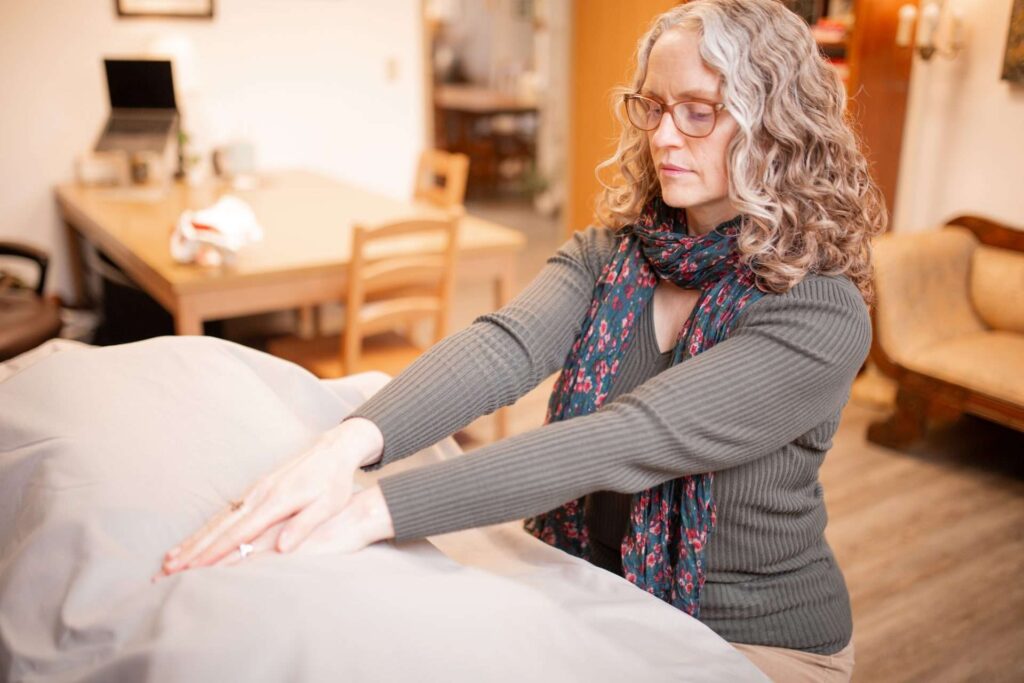
If you are looking for Holistic Pelvic Care™ in Portland, Oregon, you may be searching for a more personal, whole-body approach to pelvic floor healing. Many people are told to live with pelvic discomfort, menstrual concerns, low libido, postpartum symptoms, or the effects of stress and trauma in the body. But these experiences deserve thoughtful, compassionate care. At The Flourish Center in Portland, OR, I offer Holistic Pelvic Care™, a unique and deeply restorative approach designed to promote wellness and restore balance within the pelvic bowl. This work supports healing on physical, emotional, and energetic levels and is practiced with deep respect for the body. What Is Holistic Pelvic Care™? Holistic Pelvic Care™, created by women’s health physical therapist Tami Lynn Kent, combines gentle intra-vaginal massage, breathwork, and visualization. It is used to help balance and treat imbalances in the pelvic area. This is not a rushed or purely symptom-focused experience. It is a gentle, intentional form of care that helps you reconnect with your body, release tension, and support healing in an area that is often overlooked or misunderstood. For many people, this work feels different from conventional care because it honors the connection between the pelvic floor, the nervous system, emotional experience, and overall well-being. Who Can Benefit From Holistic Pelvic Care™? Holistic Pelvic Care™ can support people in many different seasons of life. At our Portland practice, this work may be especially helpful for those seeking support with pelvic floor concerns, postpartum healing, hormonal transitions, or a deeper reconnection to their bodies. Reconnect With Your Body Some people seek this work because they want to reconnect with the body more fully, both physically and energetically. Holistic Pelvic Care™ can support a stronger sense of embodiment, creativity, and authenticity by helping release what feels blocked, tense, or held. Relieve Pelvic and Organ Concerns This work may support those experiencing: These symptoms can affect daily life in meaningful ways, and a more integrative approach can offer support that goes beyond surface-level symptom management. Address Stubborn Back and Hip Pain Sometimes low back or hip pain does not fully respond to external therapies like massage, stretching, or chiropractic care. Because the pelvic floor and surrounding muscles play such an important role in support and alignment, internal muscle work can sometimes make a significant difference. Support Postpartum Recovery Holistic Pelvic Care™ can be a supportive option for postpartum recovery in Portland, Oregon, especially for those experiencing pelvic pain, discomfort, weakness, or the lingering effects of birth trauma. This work can help support healing, reconnection, and restoration after childbirth. Nourish After Loss For those who have experienced miscarriage or abortion, Holistic Pelvic Care™ offers nourishment and support during a time of grief. This work honors both the physical and emotional experience of loss and can help bring care and healing to the womb and pelvic space. Heal From Pelvic Floor Issues Holistic Pelvic Care™ may also support people dealing with pelvic floor issues related to: This care is designed to help restore balance and function while honoring the body’s unique story. A Different Kind of Pelvic Floor Healing in Portland When people search for pelvic floor healing in Portland, OR, they are often looking for more than a quick fix. They want care that feels safe, respectful, and personalized. Holistic Pelvic Care™ is a unique approach because it blends gentle hands-on care with breathwork and visualization, helping support the body on multiple levels. Rather than looking at pelvic symptoms in isolation, this work recognizes that the pelvic bowl is connected to physical comfort, emotional life, energy, and overall sense of self. For many people, that whole-person approach is what makes this work so meaningful. What to Expect At The Flourish Center in Portland, Oregon, Holistic Pelvic Care™ is offered as a specialized service for people seeking integrative pelvic support. Your initial investment includes your first two visits, allowing space to begin the work with intention and continuity. Payment Information Please note that insurance billing is not available for Holistic Pelvic Care™. This form of healing work falls outside the context of covered services. Also note that the second session must be attended within 6 months of purchase or will be forfeited. Holistic Pelvic Care™ at The Flourish Center If you have been searching for Holistic Pelvic Care™ in Portland or a more integrative option for pelvic floor healing in Portland, Oregon, this work may be a meaningful next step. Whether you are navigating pelvic pain, postpartum healing, menopausal changes, low libido, fertility concerns, unresolved back or hip pain, or simply a desire to reconnect with your body in a deeper way, Holistic Pelvic Care™ offers a gentle and empowering path forward. At The Flourish Center, this work is offered with deep respect for the body and the many layers of healing it may hold. Schedule an appointment to learn more about Holistic Pelvic Care™ in Portland, OR. If you are looking for Holistic Pelvic Care™ in Portland, Oregon, you may be searching for a more personal, whole-body approach to pelvic floor healing. Many women are told to live with pelvic discomfort, menstrual concerns, low libido, postpartum symptoms, or the effects of stress and trauma in the body. But these experiences deserve thoughtful, compassionate care. At The Flourish Center in Portland, OR, I offer Holistic Pelvic Care™, a unique and deeply restorative approach designed to promote wellness and restore balance within the pelvic bowl. This work supports healing on physical, emotional, and energetic levels and is practiced with deep respect for the female body. What Is Holistic Pelvic Care™? Holistic Pelvic Care™, created by women’s health physical therapist Tami Lynn Kent, combines gentle intra-vaginal massage, breathwork, and visualization. It is used to help balance and treat imbalances in the pelvic area. This is not a rushed or purely symptom-focused experience. It is a gentle, intentional form of care that helps you reconnect with your body, release tension, and support healing in an area that is often overlooked or misunderstood. For many women,
How to Market Your Nurse Practitioner Private Practice

How to Market Your Nurse Practitioner Private Practice Starting your own nurse practitioner private practice is a big step, but building the practice is only part of the work. People also need to be able to find you, understand what you offer, and feel confident reaching out. Marketing is what helps make that happen. A lot of nurse practitioners feel uneasy about marketing because they associate it with being pushy or overly promotional. But good marketing is not about convincing the wrong people to book with you. It is about making it easier for the right people to find you, understand your approach, and take the next step. Start With Clarity Before you spend time on a website, social media, or any kind of outreach, get clear on who you help and how you help them. If your message is too broad, people may land on your page and still not know whether your practice is for them. Clear marketing usually starts with simple questions like: For example, a general message like “I offer holistic healthcare” is much harder to connect with than something more specific and grounded. The more clearly you can communicate what you do, who it is for, and what kind of experience people can expect, the easier it becomes for the right patients to recognize themselves in your message. Build a Simple, Professional Online Presence Most patients look online before choosing a healthcare provider, which means your digital presence matters. Your website does not need to be huge or complicated, but it does need to be clear, trustworthy, and easy to use. At a minimum, your website should clearly explain: Your website should also make it easy for people to take action. If someone has to hunt for your contact form, booking link, or next steps, you are likely losing potential patients. Focus on Local Visibility If you have a local practice, being visible in your area is one of the most important forms of marketing you can do. People need to be able to find you when they are searching for care nearby. That means keeping your Google Business Profile accurate and complete, making sure your practice information is consistent across platforms, and naturally mentioning your city or region on your website where it makes sense. Make sure your online presence includes: If you serve a specific city or region, your website should reflect that clearly. This helps both prospective patients and search engines understand where you work and who you serve. Create Helpful Content One of the best ways to market your practice is to regularly answer the questions your ideal patients are already asking. Helpful blog posts, emails, and educational social media content can build trust over time. This kind of content helps people understand your philosophy, your expertise, and what working with you might feel like. You do not need to create content every day. What matters more is consistency and relevance. Some examples might include: Good content should sound like you. It should be clear, approachable, and useful, not stuffed with keywords or written just to perform. Make Referrals Part of Your Marketing Strategy Marketing is not only digital. Some of the strongest growth in private practice still comes through relationships. Think about who might naturally refer to you: If your practice aligns with theirs, building genuine professional relationships can be a powerful source of referrals. This works especially well when your niche and messaging are clear. Use Social Media With Intention Social media can support your practice, but it should not carry the full weight of your marketing strategy. It works best when it points people back to something stronger, such as your website, booking page, email list, or blog. Social media is often more effective as a trust-building and visibility tool than as your only source of new patients. Instead of trying to be everywhere, it is usually better to choose one or two platforms you can use consistently. Focus on sharing helpful information, reinforcing your message, and giving people a feel for your approach. Share Social Proof Thoughtfully When people are choosing a healthcare provider, trust matters. Reviews, testimonials, and other forms of social proof can help people feel more comfortable taking the next step. This should always be handled thoughtfully and ethically, but when done well, it can help reinforce credibility and make your practice feel more approachable. Remember That Marketing Is About Trust The strongest marketing usually does not feel flashy. It feels clear, grounded, and consistent. For nurse practitioners, marketing works best when it reflects the real quality of your care. It is not about manufacturing hype. It is about clearly communicating your value, your approach, and the experience people can expect in your practice. In other words, marketing your private practice is not about becoming someone else. It is about helping the people you are meant to serve actually find you. You Do Not Have to Figure It All Out Alone Marketing can feel overwhelming when you are also trying to make decisions about services, systems, pricing, legal setup, and patient care. That is one reason mentorship can be so valuable. When you have the right support, marketing becomes much more manageable because it is connected to a clear plan, a clear message, and a practice model that fits you. You do not need a perfect brand, a huge following, or a complicated funnel to begin. You need clarity, consistency, and a willingness to keep showing up. If you are building a nurse practitioner private practice and want support along the way, explore my Business Mentorship for APRNs.
Can Lifestyle Medicine Help Chronic Conditions?

For many people, chronic conditions affect much more than just physical health. They can influence energy, sleep, mood, mobility, confidence, and overall quality of life. And often, managing them can feel overwhelming. Many people are given medication and a quick reminder to “eat better” or “exercise more,” but very little support for what that actually looks like in real life. That is one reason lifestyle medicine matters. What Lifestyle Medicine Actually Means The answer is yes: lifestyle medicine can help many chronic conditions. It is an evidence-based approach to care that focuses on the daily habits that have the biggest impact on health. That includes nutrition, physical activity, sleep, stress management, social connection, and avoiding harmful substances like tobacco. These areas may sound simple, but they are deeply connected to how chronic disease develops, progresses, and improves. Lifestyle medicine is especially helpful for conditions like high blood pressure, prediabetes and type 2 diabetes, high cholesterol, heart disease, obesity, fatty liver disease, poor sleep, chronic stress, and some forms of chronic pain. It can also support people living with conditions that are made worse by inflammation, low fitness, poor sleep, or long-term stress. That does not mean lifestyle medicine is a cure-all. Not every chronic condition can be reversed, and not every person will respond the same way. Some people may see major improvements in symptoms, lab work, and overall health. Others may still need medication or specialist care, but feel better, function better, and reduce long-term risk by improving the foundations of their health. That still matters. Why It Can Be So Effective One of the biggest strengths of lifestyle medicine is that it does not focus on just one symptom at a time. Instead, it looks at the bigger picture. A more nourishing way of eating can help with blood sugar, blood pressure, cholesterol, weight, and inflammation. Regular movement can improve cardiovascular health, insulin sensitivity, mood, sleep, and mobility. Better sleep can support hormones, appetite, stress resilience, and energy. Stress management can help calm the nervous system and reduce the wear and tear that chronic stress puts on the body. Positive relationships and community support also matter more than many people realize, especially when someone is trying to make lasting changes. This is why lifestyle medicine can be so effective. The body does not work in isolated pieces. When the core habits that shape health begin to improve, many systems often improve together. It is also important to be clear about what lifestyle medicine is not. It is not a crash diet. It is not perfection. It is not blame disguised as health advice. And it is not simply telling people to try harder. A good lifestyle medicine approach is practical, personalized, and realistic. It takes into account the fact that people have real barriers: busy schedules, financial stress, burnout, pain, caregiving responsibilities, limited access to healthy food, inconsistent sleep, or years of habits that cannot be changed overnight. Instead of asking someone to overhaul their life all at once, it focuses on steady, sustainable change. What This Can Look Like in Real Life For example, someone with prediabetes might work on eating more balanced meals, walking after meals, building muscle through strength training, and improving sleep. Someone with high blood pressure might focus on regular movement, reducing excess sodium from highly processed foods, managing stress, improving sleep, and drinking less alcohol. Someone with chronic stress or burnout may need a starting point that feels much simpler, such as getting outside more often, building a more consistent routine, reducing overwhelm, and improving connection with others. These changes may not seem dramatic, but they can be powerful over time. Lifestyle medicine can sometimes lead to major improvement and even remission in certain conditions, especially when it comes to metabolic health. But even when full reversal is not possible, it can still help reduce symptom burden, improve day-to-day well-being, lower risk, and support better long-term outcomes. That is a meaningful form of healing too. In many ways, lifestyle medicine fills an important gap in modern healthcare. It does not replace conventional medicine when medication, testing, or specialist care are needed. Instead, it strengthens the foundation underneath everything else. It helps answer the question many people are really asking: what can I do in my everyday life to actually feel better? The encouraging part is that the goal is not extreme change. It is consistent change. Eating more whole foods. Moving more regularly. Sleeping better. Managing stress more intentionally. Building supportive relationships. Reducing harmful habits. These things may seem basic, but they are not small. Over time, they can have a real effect on chronic disease and overall health. The Bottom Line Yes, lifestyle medicine can help chronic conditions. It can improve symptoms, support better lab markers, reduce risk, and help people feel better in their daily lives. For some conditions, it may even lead to major improvement or remission. Most importantly, it offers a more complete and empowering approach to care — one that looks beyond symptom control and supports the whole person through sustainable, meaningful change. If you are looking for a more personalized, root-cause approach to your health, this may be a powerful place to begin. At the Flourish Center, we support individuals who want to build stronger foundations in nutrition, movement, sleep, stress resilience, and overall well-being through our Lifestyle Medicine Courses.
How to Prevent Burnout as a Nurse Practitioner

Burnout is something many nurse practitioners experience, but not everyone recognizes it right away. It does not always look dramatic. Sometimes it looks like feeling tired all the time, dreading your workday, losing patience more easily, or feeling disconnected from the work you used to care about. Sometimes it looks like going through the motions while feeling like you have very little left to give. For many NPs, burnout builds slowly. The demands of patient care, charting, inbox management, administrative tasks, and emotional labor can pile up over time. Because so much of this is normalized in healthcare, it is easy to assume that feeling overwhelmed is just part of the job. But common does not mean healthy. And pushing through without addressing it usually makes things worse. The good news is that burnout is not something you have to ignore until you hit a wall. There are ways to notice it earlier, respond sooner, and build a more sustainable career. Recognize the Early Signs of Burnout One of the most important things you can do is learn to recognize burnout before it becomes severe. Many nurse practitioners wait until they are completely depleted to admit something is wrong. By that point, recovery usually takes more time and more change. Early signs of burnout can include emotional exhaustion, irritability, lack of motivation, brain fog, trouble sleeping, cynicism, or a sense that even small tasks feel heavier than they used to. You may notice that you feel less present with patients, more resentful of your workload, or less able to recover after a hard day. These signs matter. They are not something to brush off or explain away forever. Burnout often begins when chronic stress goes unaddressed for too long. Stop Treating Rest Like a Reward One reason burnout is so common in healthcare is that many clinicians treat rest like something they have to earn. The problem is that in clinical work, there is always more to do. There is always another chart, another message, another refill, another patient, another responsibility. If rest only happens when everything is done, it may never happen. Protecting your energy has to be part of the plan now, not something you keep postponing. That includes sleep, time off, breaks during the day, nourishing meals, movement, and enough margin in your week to actually recover. Rest is not laziness. It is part of what allows you to keep practicing well over the long term. Look Honestly at Your Workload Sometimes burnout is discussed as if it can always be fixed with better self-care. But sometimes the real issue is that your workload is simply too heavy or your work environment is no longer sustainable. If you are seeing too many patients in too little time, taking work home every night, drowning in documentation, or constantly feeling behind, that matters. If your schedule leaves no room to think, reset, or even eat lunch without multitasking, that matters too. Preventing burnout often requires honesty. Is your current pace actually sustainable? Are expectations realistic? Are you being asked to carry more than one person should reasonably carry? You cannot always change everything overnight, but you can start by naming what is not working. That clarity is often the beginning of change. Set Better Boundaries Around Your Time and Energy Nurse practitioners are often taught to be flexible, accommodating, and endlessly responsible. Those qualities can make you a compassionate clinician, but without boundaries, they can also make you vulnerable to burnout. Boundaries may mean limiting after-hours work, being more realistic about what you can take on, protecting time for charting, or stopping the habit of saying yes to every extra ask. It may also mean being more intentional about what emotional weight you carry home with you. Boundaries are not about caring less. They are about creating a version of your work that you can actually sustain. When everything is urgent and everything has access to you, burnout grows quickly. Get Support Before You Are in Crisis Burnout tends to get worse in isolation. When you are exhausted, it is easy to assume you just need to push harder or get better at coping. But many NPs need more support, not more self-judgment. That support might come from a trusted colleague, mentor, therapist, supervisor, or professional community. Sometimes simply talking honestly about what is happening can help you feel less alone and more clear about what needs to change. You do not need to wait until you are completely falling apart to reach out. In fact, it is much better to do it sooner. Reconnect With What Makes Your Work Meaningful Burnout is not only about working hard. It is also about losing connection with the parts of your work that feel meaningful. When your days become all pressure, all output, and no purpose, even a good career can start to feel empty. It can help to ask yourself what still feels energizing in your role and what consistently drains you. Are there parts of your work that still feel aligned? Are there parts that no longer fit? Have you drifted too far from the kind of care you actually want to provide? For some nurse practitioners, burnout prevention means making small changes. For others, it means making bigger ones. That could include changing settings, reducing hours, shifting your niche, exploring private practice, or finding a model of care that allows you to work in a way that feels more human and sustainable. Give Yourself Permission to Rethink the Way You Work This is an important part of the conversation. Sometimes burnout is not a sign that you chose the wrong profession. It is a sign that the way you are currently working is not working for you anymore. That is not failure. That is information. There is no prize for staying in a role that is draining the life out of you just because it looks stable from the outside. Nurse practitioners deserve careers that support their
Why Women Need Strength Training for Healthy Aging

When many women think about exercise, they picture walking, yoga, or cardio. Those forms of movement absolutely matter, but strength training deserves a much bigger place in the conversation about long-term health. Building strength is not just about muscle definition or athletic performance. It is about protecting the body, supporting metabolism, preserving independence, and helping women stay capable and resilient as they age. In Lifestyle Medicine, physical activity is one of the core pillars of health. Current guidance for adults includes muscle-strengthening activity at least 2 days per week, in addition to regular aerobic movement. Federal physical activity guidelines also recommend that these activities involve all major muscle groups. For many women, strength training has been underemphasized for years. Some were taught to focus mostly on cardio. Others still associate resistance training with bodybuilding, gym culture, or becoming bulky. But strength training is really about building a body that supports you well through every season of life. Strength Training Supports Bone Health One of the most important reasons women need strength training is bone health. As women age, especially around and after menopause, the risk of bone loss increases. Resistance training places healthy stress on the bones, which helps support bone strength over time. That matters not just for staying active, but for reducing the risk of fractures and maintaining confidence in everyday movement. Healthy aging is not only about avoiding disease. It is also about preserving the ability to move through life with steadiness and freedom. Strength helps make that possible. Strength Helps Protect Mobility and Independence Aging well is deeply connected to function. Can you carry groceries? Climb stairs? Get up from the floor? Lift something into the car? Maintain your balance if you trip? These are the kinds of everyday abilities that strength training helps protect. Muscle naturally declines with age if it is not challenged. That decline can affect energy, balance, posture, and day-to-day function. Strength training helps women maintain the kind of practical strength that keeps life more open, capable, and independent over time. Strength Training Supports Metabolic Health Strength training also plays an important role in metabolic health. Muscle tissue is metabolically active, and preserving it supports healthy aging in multiple ways. Resistance training can help improve blood sugar regulation, support insulin sensitivity, and contribute to a healthier overall metabolic profile when paired with good nutrition, sleep, and regular movement. Physical activity guidance for adults includes both aerobic exercise and muscle-strengthening work because both matter for long-term health. This is one reason strength training is such a valuable Lifestyle Medicine habit. It is not separate from health care. It is part of health care. Strength Can Improve Balance, Stability, and Confidence Strength is not just physical. It often changes the way women feel in their bodies. When women begin resistance training consistently, they often notice improved posture, better stability, and a greater sense of capability. They may feel more grounded carrying children, hiking, gardening, traveling, or moving through busy days. That sense of strength can also build confidence, especially for women who have spent years feeling disconnected from exercise or unsure where to begin. For older adults, physical activity guidance also highlights the importance of balance work alongside aerobic and strengthening activity. That makes sense, because healthy aging is about more than fitness. It is about reducing fall risk and staying steady and functional in daily life. Strength Training Does Not Have to Be Extreme One of the biggest misconceptions about strength training is that it has to be intense, time-consuming, or gym-centered to count. It does not. Strength training can include dumbbells, resistance bands, machines, bodyweight exercises, or other forms of resistance. It can happen at home, in a gym, or with a structured program. What matters most is consistency. In many cases, starting with just two sessions per week is a meaningful and sustainable place to begin, which aligns with current recommendations. For women who are new to resistance training, simple movements done well can go a long way. Squats to a chair, wall push-ups, rows, carries, step-ups, and basic core work can all be part of building a stronger foundation. Healthy Aging Is About Staying Capable Healthy aging is often framed in terms of what women should avoid: frailty, falls, fatigue, weight gain, bone loss, and loss of independence. But strength training offers a more positive picture. It helps women build toward something. Toward more energy. Toward more stability. Toward better function. Toward more confidence in their bodies. Toward greater independence over time. That is why strength training matters. Not because every woman needs to chase a certain physique, but because every woman deserves the opportunity to age with strength, support her body well, and stay engaged in the life she wants to live. In Lifestyle Medicine, the goal is not perfection. It is creating habits that support health in real and lasting ways. Resistance training twice a week may sound simple, but over time, it can have a powerful impact. Explore my site to learn more about lifestyle medicine and my Courses.
How to Start a Nurse Practitioner Private Practice
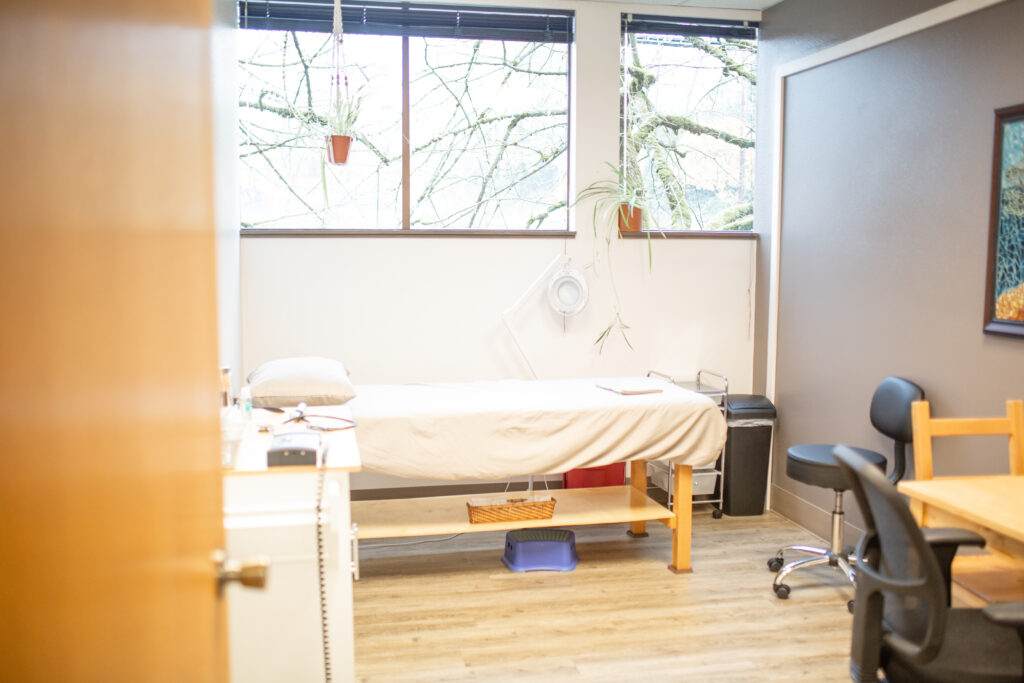
Starting a private practice is something many nurse practitioners think about, but the process can feel overwhelming at first. Between business decisions, legal requirements, and figuring out how to attract patients, it’s easy to assume that launching a practice is more complicated than it actually is. The truth is that thousands of nurse practitioners across the United States are successfully running their own clinics. With the right planning and support, it is absolutely possible to build a practice that allows you to care for patients in a way that aligns with your values and professional goals. If you’re considering starting your own clinic, here are the key steps nurse practitioners typically follow when launching a private practice. 1. Understand Your State’s Practice Authority One of the first things to research is your state’s practice authority laws. States fall into three general categories: Understanding your state’s regulations will determine whether you need a collaborating physician or medical director before opening your practice. 2. Choose Your Business Structure Most nurse practitioner practices are structured as one of the following: The right choice often depends on your state laws and your tax situation. Many NPs begin with an LLC or PLLC and later elect S-corp taxation as revenue grows. 3. Register Your Business Once you’ve chosen a structure, the next step is registering your practice. This usually includes: These steps establish your clinic as a legal business entity. 4. Obtain Malpractice Insurance Professional liability insurance is essential for nurse practitioners in private practice. Policies vary depending on specialty and services offered, but most NPs choose coverage that includes: Malpractice insurance is often required before credentialing with insurance companies or signing clinic leases. 5. Decide on Your Practice Model One of the biggest strategic decisions is how your practice will operate financially. Many nurse practitioners choose one of three models: Each model has different implications for revenue, patient access, and administrative workload. 6. Set Up Your Clinical Infrastructure Before seeing patients, you’ll need several core systems in place: Fortunately, many modern EMR platforms combine these features into a single system. 7. Create a Simple Marketing Plan One of the most common concerns nurse practitioners have is how to find their first patients. In reality, many practices grow through simple strategies such as: You don’t need complicated marketing to start building a patient base. 8. Start Small and Grow Many successful nurse practitioner practices begin part-time or with a limited service offering. Starting small allows you to: Over time, many NPs expand their services, hours, or team as their clinic grows. Final Thoughts Starting a nurse practitioner private practice may seem intimidating at first, but when broken down into steps, the process is very manageable. Many nurse practitioners discover that owning their own clinic allows them to practice medicine in a way that feels more aligned with their values, their patients’ needs, and the type of care they want to provide. If you’re exploring the idea of starting your own practice, learning from someone who has already built a successful clinic can make the process much smoother. Check out Your Flourishing Practice now.
Eat With the Seasons: A Simple Lifestyle Medicine Habit
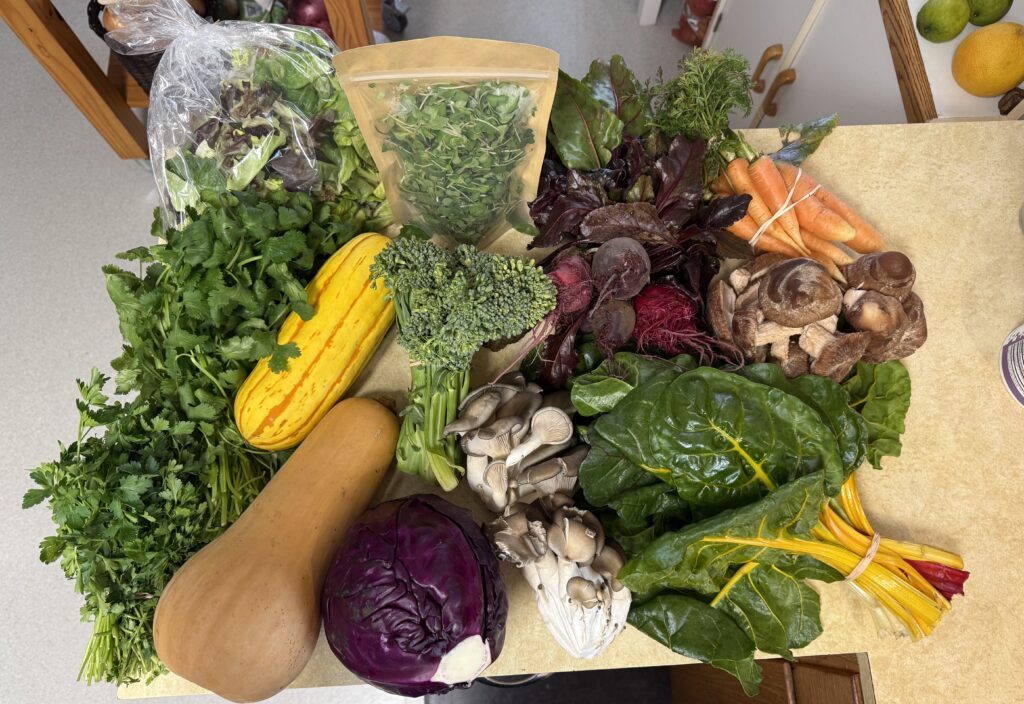
When people ask how to eat healthier, they often expect complicated advice—special diets, strict rules, or detailed meal plans. But one of the simplest ways to improve your nutrition is also one of the oldest habits humans have practiced: Eat with the seasons. Seasonal eating simply means choosing foods that are naturally harvested during the current time of year. It’s a straightforward approach that often leads to fresher food, better nutrition, and meals that feel more satisfying. And one of the easiest ways to do this is by visiting your local farmers market. Why Seasonal Food Is Often More Nutritious Fruits and vegetables start losing nutrients the moment they are harvested. When food is shipped long distances or stored for extended periods of time, some of those nutrients can decline. Seasonal produce, especially when purchased locally, is often harvested closer to peak ripeness. That means it tends to be fresher and more nutrient-dense compared with produce that has traveled thousands of miles to reach your plate. This doesn’t mean grocery store produce isn’t healthy—it absolutely can be. But seasonal foods often offer an extra level of freshness and flavor that makes healthy eating easier. Seasonal Eating Naturally Encourages More Plants One of the pillars of Lifestyle Medicine is a plant-predominant eating pattern—a diet rich in vegetables, fruits, whole grains, beans, nuts, and seeds. Farmers markets make this easier. When you walk through a market filled with vibrant vegetables, fresh herbs, berries, and seasonal fruits, you naturally begin building meals around plants. Instead of asking “What diet should I follow?” the focus becomes much simpler: What looks fresh and delicious today? That shift alone can dramatically improve how people eat. Seasonal Food Often Tastes Better Anyone who has eaten a perfectly ripe summer tomato or a fresh peach in peak season knows the difference. Foods harvested at the right time simply taste better. When healthy foods taste great, people are far more likely to cook at home and eat them regularly. In Lifestyle Medicine, we often talk about sustainable habits. Seasonal eating supports that idea by making healthy foods more enjoyable. Farmers Markets Make Healthy Eating Simple Many people feel overwhelmed trying to figure out what they “should” eat. Farmers markets remove much of that complexity. Instead of navigating hundreds of packaged food options, you’re surrounded by real food—vegetables, fruits, herbs, eggs, and other simple ingredients. The environment itself encourages healthier choices. You may also discover new ingredients you’ve never tried before, which can help expand your cooking and keep meals interesting. A Small Habit That Adds Up Lifestyle Medicine isn’t about perfection. It’s about small habits that add up over time. Eating with the seasons is a simple example. You don’t have to overhaul your diet overnight. Just start by visiting a local farmers market or choosing seasonal produce when you shop. Build meals around what’s fresh and available. Over time, this small shift can lead to eating more plants, cooking more at home, and enjoying food in a way that supports long-term health. And that’s what Lifestyle Medicine is all about—simple, sustainable changes that help your body thrive.
Insurance vs Cash Pay: Which Model Should Nurse Practitioners Choose for Private Practice?

One of the first major decisions nurse practitioners face when starting a private practice is whether to accept insurance or operate as a cash-pay practice. This choice affects your revenue, workload, patient experience, and ultimately the kind of medicine you are able to practice. Most NPs are trained in traditional healthcare systems where insurance billing is the norm. But private practice opens the door to different business models, and many nurse practitioners are surprised to learn how differently a practice can function depending on the structure they choose. Understanding the strengths and limitations of both models is essential before launching a practice. The Insurance-Based Model In an insurance-based practice, the clinic bills insurance companies for patient visits. Patients typically pay a copay or coinsurance, while the insurance company reimburses the remainder of the visit. The biggest advantage of accepting insurance is access. Many patients prefer to use their insurance benefits, which can make it easier to build a patient base. Being listed in insurance directories can also help patients discover your practice. However, accepting insurance introduces significant operational complexity. Credentialing with insurance companies can take months. Once a practice is credentialed, billing requires accurate coding, claim submission, and follow-up on denials or underpayments. Many practices either hire a biller or outsource this work. Reimbursement rates are set by insurance companies, not by the provider. Payments may take weeks or even months to arrive, which can create cash flow challenges for new practices. Insurance contracts can also influence how care is delivered, including visit length, documentation requirements, and coverage limitations. For some practices this model works well, especially in areas where patients strongly rely on insurance to access care. The Cash-Pay Model In a cash-pay practice, patients pay directly for services at the time of the visit. The practice does not bill insurance companies. Some clinics provide patients with a superbill so they can submit claims to their insurance independently if they have out-of-network benefits. The most obvious advantage of cash pay is simplicity. Without insurance billing, the practice avoids credentialing, claim submission, prior authorizations, and reimbursement delays. Payment is collected at the time of service, which creates predictable cash flow. Cash-pay practices also offer more flexibility in how care is delivered. Providers can structure longer visits, offer comprehensive consultations, or build programs that focus on prevention and lifestyle change without worrying about insurance reimbursement limits. This model is especially common in areas such as integrative medicine, lifestyle medicine, hormone therapy, mental health, and specialized wellness programs. The main challenge is that patients must be willing to pay directly for care. Some patients will only seek in-network providers, which means cash-pay practices often need strong messaging that clearly communicates the value of their services. Why Many NPs Are Exploring Cash-Pay Models Across the country, many nurse practitioners are reconsidering the traditional insurance-based structure. Administrative burden, declining reimbursement rates, and limited time with patients have pushed many providers to explore alternatives. Cash-pay models allow clinicians to design practices around longer visits, deeper patient relationships, and prevention-focused care. For providers who feel constrained by the insurance system, this model can create a very different experience of practicing medicine. However, success with cash pay depends on clear positioning, patient education, and a strong understanding of the value your services provide. Choosing the Right Model for Your Practice There is no single model that works for every nurse practitioner. The best choice depends on your goals, specialty, and the type of care you want to provide. Insurance-based practices may be a better fit for providers who want broader accessibility and steady patient volume. Cash-pay practices tend to work best when the services offered involve longer visits, specialized care, or programs that go beyond what insurance typically reimburses. Some practices eventually experiment with hybrid structures, combining insurance-based visits with cash-pay programs or specialty services. Private practice gives nurse practitioners the opportunity to design a model that supports both patient care and professional sustainability. Building a Practice That Works for You Starting a nurse practitioner practice involves much more than clinical skills. Understanding business structure, reimbursement models, and operational strategy is essential to building a sustainable clinic. If you’re considering launching your own practice, take time to explore the different ways nurse practitioners are structuring their businesses today. The right model can allow you to practice medicine in a way that is both financially viable and professionally fulfilling. Explore the resources and programs available on this site to learn more about building a nurse practitioner practice that aligns with the way you want to practice medicine.