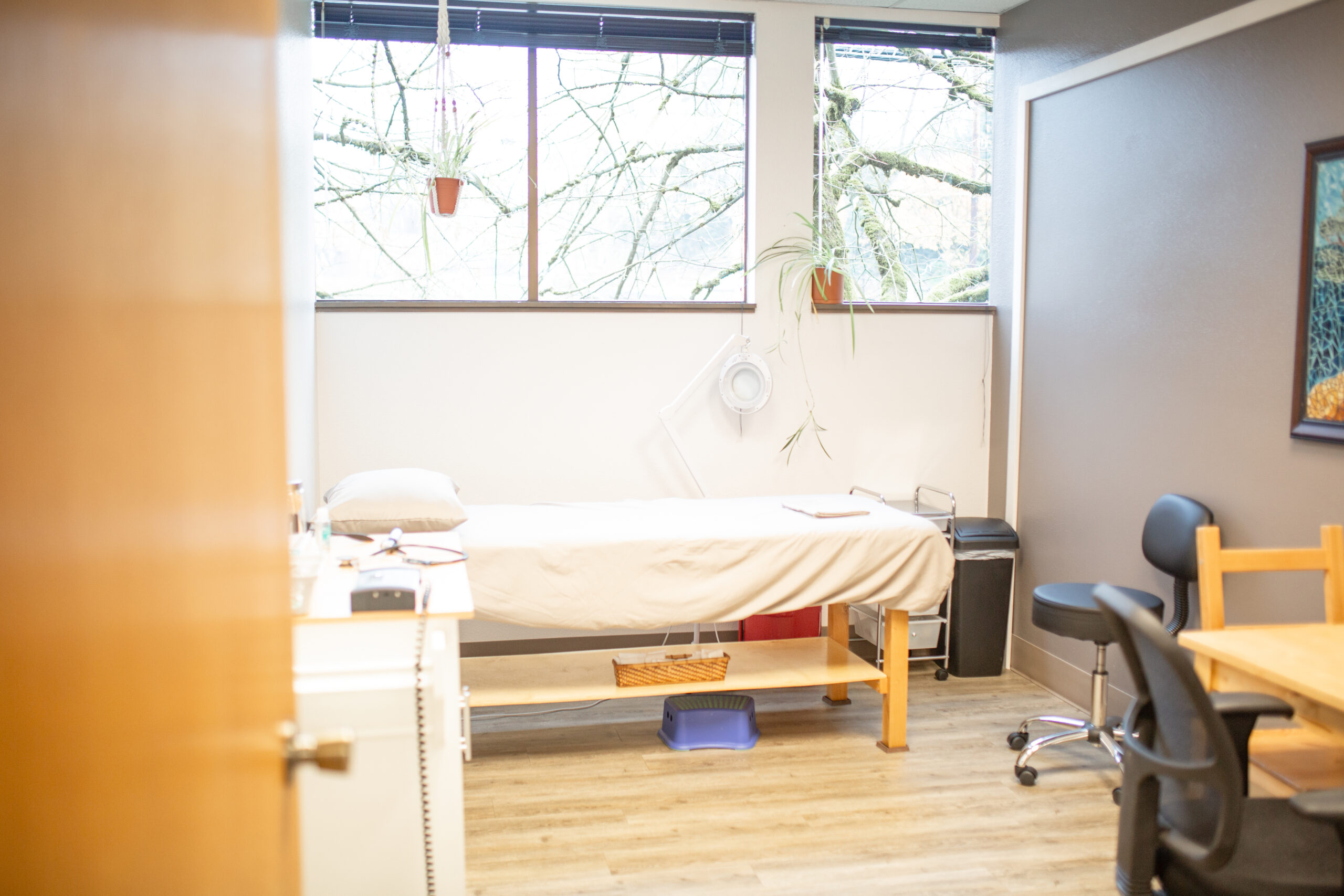
Starting a private practice is something many nurse practitioners think about, but the process can feel overwhelming at first. Between business decisions, legal requirements, and figuring out how to attract patients, it’s easy to assume that launching a practice is more complicated than it actually is.
The truth is that thousands of nurse practitioners across the United States are successfully running their own clinics. With the right planning and support, it is absolutely possible to build a practice that allows you to care for patients in a way that aligns with your values and professional goals.
If you’re considering starting your own clinic, here are the key steps nurse practitioners typically follow when launching a private practice.
1. Understand Your State’s Practice Authority
One of the first things to research is your state’s practice authority laws.
States fall into three general categories:
- Full practice authority – Nurse practitioners can evaluate patients, diagnose conditions, order tests, and prescribe medications independently.
- Reduced practice authority – NPs must maintain a collaborative agreement with a physician.
- Restricted practice authority – Physician supervision is required.
Understanding your state’s regulations will determine whether you need a collaborating physician or medical director before opening your practice.
2. Choose Your Business Structure
Most nurse practitioner practices are structured as one of the following:
- LLC (Limited Liability Company)
- PLLC (Professional Limited Liability Company)
- S-Corporation election for tax purposes
The right choice often depends on your state laws and your tax situation. Many NPs begin with an LLC or PLLC and later elect S-corp taxation as revenue grows.
3. Register Your Business
Once you’ve chosen a structure, the next step is registering your practice.
This usually includes:
- Registering your business with the state
- Obtaining an EIN (Employer Identification Number) from the IRS
- Opening a business bank account
- Applying for a business license if required locally
These steps establish your clinic as a legal business entity.
4. Obtain Malpractice Insurance
Professional liability insurance is essential for nurse practitioners in private practice.
Policies vary depending on specialty and services offered, but most NPs choose coverage that includes:
- Professional liability
- Telehealth coverage
- Tail coverage if needed
Malpractice insurance is often required before credentialing with insurance companies or signing clinic leases.
5. Decide on Your Practice Model
One of the biggest strategic decisions is how your practice will operate financially.
Many nurse practitioners choose one of three models:
- Insurance-based practice
- Cash-pay practice
- Hybrid model (insurance + direct pay services)
Each model has different implications for revenue, patient access, and administrative workload.
6. Set Up Your Clinical Infrastructure
Before seeing patients, you’ll need several core systems in place:
- Electronic Medical Record (EMR)
- Scheduling system
- Billing system (if accepting insurance)
- HIPAA-compliant communication tools
- Secure payment processing
Fortunately, many modern EMR platforms combine these features into a single system.
7. Create a Simple Marketing Plan
One of the most common concerns nurse practitioners have is how to find their first patients.
In reality, many practices grow through simple strategies such as:
- A professional website
- Google Business listing
- Referrals from other healthcare providers
- Community networking
- Social media
You don’t need complicated marketing to start building a patient base.
8. Start Small and Grow
Many successful nurse practitioner practices begin part-time or with a limited service offering.
Starting small allows you to:
- Keep overhead low
- Refine your workflow
- Build a patient base gradually
- Reduce financial risk
Over time, many NPs expand their services, hours, or team as their clinic grows.
Final Thoughts
Starting a nurse practitioner private practice may seem intimidating at first, but when broken down into steps, the process is very manageable.
Many nurse practitioners discover that owning their own clinic allows them to practice medicine in a way that feels more aligned with their values, their patients’ needs, and the type of care they want to provide.
If you’re exploring the idea of starting your own practice, learning from someone who has already built a successful clinic can make the process much smoother.
Check out Your Flourishing Practice now.