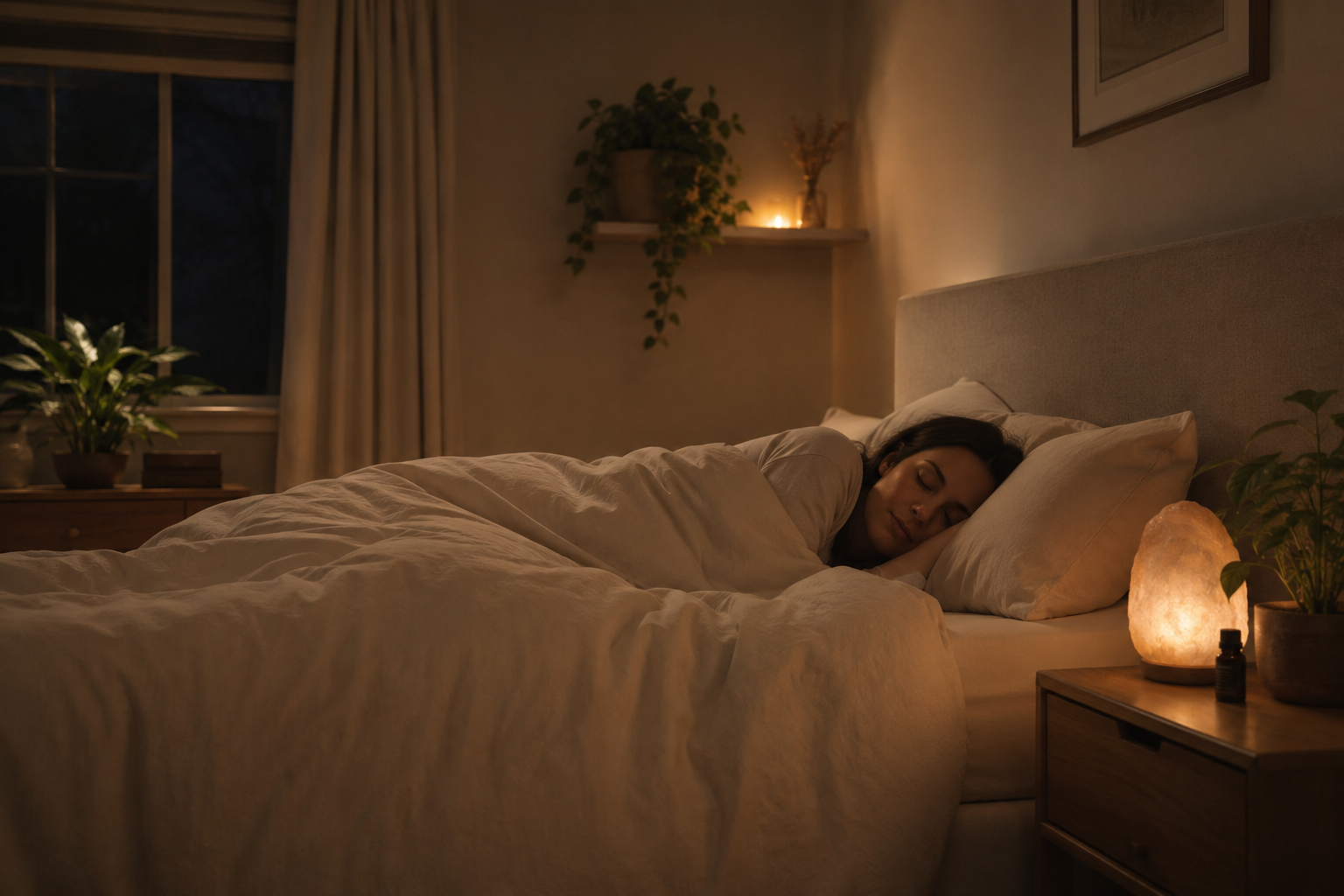
Sleep is one of the most underrated foundations of health. As a nurse practitioner, I often see how deeply sleep affects energy, mood, hormones, blood sugar balance, pain, cravings, immune function, and the ability to follow through with healthy habits.
When sleep is off, everything can feel harder.
You may find yourself reaching for more caffeine, craving more sugar, feeling less motivated to move your body, struggling with emotional regulation, or feeling like you are “failing” at habits that might actually be much more manageable with better rest.
Sleep hygiene is not about creating a perfect bedtime routine. It is about building conditions that help your brain and body recognize when it is time to wind down, restore, and repair.
Why Sleep Matters So Much
Sleep is not passive. Your body is doing essential work while you rest.
During sleep, your nervous system has a chance to shift out of constant alert mode. Your brain processes information, supports memory, and clears metabolic waste. Your immune system becomes more active. Hormones involved in hunger, fullness, stress, blood sugar, and tissue repair are regulated.
When sleep is consistently too short or poor quality, the effects often show up throughout the entire body. People may notice more inflammation, more anxiety, more irritability, more pain sensitivity, higher cravings, lower resilience, and more difficulty making health-supportive choices.
This is one reason sleep is such an important pillar of Lifestyle Medicine. It supports almost every other area of health.
Start with Your Wake-Up Time
One of the most helpful sleep habits is often not about bedtime at all. It is about wake-up time.
Waking up around the same time each day helps anchor your circadian rhythm, which is your body’s internal clock. This rhythm influences when you feel alert, when you feel sleepy, when certain hormones rise and fall, and how your body responds to light, food, movement, and stress.
If your sleep schedule is irregular, start by choosing a realistic wake-up time and keeping it fairly consistent, even on weekends. You do not have to be perfect, but consistency helps your body learn a rhythm.
Once your wake-up time becomes more predictable, bedtime often becomes easier to adjust.
Get Morning Light
Morning light is one of the strongest signals for your circadian rhythm.
Getting outside soon after waking, even for a few minutes, can help tell your brain, “This is daytime.” Natural light helps regulate melatonin timing, supports daytime alertness, and can make it easier to feel sleepy later in the evening.
This does not have to be complicated. Step outside with your coffee or tea. Take a short walk. Sit near bright natural light. Open the curtains. The goal is to give your body a clear morning signal.
This can be especially helpful during darker months, when many people notice lower energy, mood changes, or disrupted sleep patterns.
Be Thoughtful with Caffeine
Caffeine can be a helpful tool, but it can also quietly interfere with sleep.
Many people can fall asleep after caffeine and assume it is not affecting them, but caffeine can still reduce sleep quality, increase nighttime awakenings, or decrease the amount of deep sleep they get.
A good starting place is to avoid caffeine later in the day, especially in the afternoon and evening. Some people need an even earlier cutoff. This depends on genetics, stress levels, hormones, medications, and overall sensitivity.
If sleep has been a struggle, consider experimenting with your caffeine timing before assuming you need a more complicated solution.
Create a Wind-Down Routine
Your nervous system usually needs transition time.
Many people go from work, caregiving, screens, chores, or stress directly into bed and then wonder why their mind is still racing. A wind-down routine gives your body a chance to shift gears.
This might include dimming the lights, stretching, taking a warm shower, reading, journaling, listening to calming music, practicing breathwork, or doing a quiet evening ritual that feels realistic for your life.
The goal is not to perform a perfect routine. The goal is repetition. When you repeat the same calming cues over time, your brain begins to associate them with sleep.
Protect Your Bedroom Environment
Your sleep environment matters.
A cool, dark, quiet room is ideal for most people. Light exposure at night can interfere with melatonin, especially bright overhead lighting or screens close to the face. Noise, temperature, pets, and clutter can also affect sleep quality.
Simple changes can help: blackout curtains, an eye mask, earplugs, white noise, breathable bedding, or lowering the thermostat.
Your bedroom does not need to look like a spa. It just needs to support rest.
Watch the Evening Scroll
Screens are not only an issue because of blue light. They are also stimulating.
Scrolling, checking email, watching intense content, reading upsetting news, or getting into emotionally charged conversations can keep the brain alert long after the phone is put away.
If you use screens at night, consider creating a softer boundary. This might mean setting a cutoff time, using night mode, avoiding work email, or choosing calming content instead of anything activating.
A helpful question is: “Is this helping my body feel safe enough to sleep?”
Consider Food, Alcohol, and Late-Night Habits
What happens in the evening can influence sleep.
Going to bed overly full may worsen reflux or discomfort. Going to bed hungry may also disrupt sleep. Alcohol may make you feel sleepy at first, but it often fragments sleep later in the night and can reduce sleep quality.
A balanced evening meal, enough protein and fiber during the day, and a gentle nighttime routine can all support more stable sleep.
For some people, a small evening snack can help. For others, finishing food earlier works better. This is where individualized care matters.
When Sleep Hygiene Is Not Enough
Sleep hygiene is powerful, but it is not the whole story.
If someone is doing “all the right things” and still struggling, it may be time to look deeper. Insomnia, anxiety, depression, chronic pain, perimenopause, thyroid changes, restless legs, sleep apnea, medications, trauma, blood sugar swings, and other health concerns can all affect sleep.
Signs that deserve more support include loud snoring, gasping or choking during sleep, morning headaches, severe daytime sleepiness, persistent insomnia, frequent waking, or sleep that does not feel restorative.
You do not have to just push through poor sleep. Sometimes the next step is not another sleep tip — it is a fuller evaluation.
A Lifestyle Medicine Approach to Sleep
From a Lifestyle Medicine perspective, sleep is connected to everything else.
Nutrition affects sleep. Movement affects sleep. Stress affects sleep. Social connection affects sleep. Alcohol and substance use affect sleep. Light exposure, daily rhythm, and nervous system regulation all matter.
That means improving sleep does not have to be all-or-nothing. A small change in one area can create a ripple effect.
You might start with morning light. Or a caffeine cutoff. Or a more consistent wake-up time. Or a 10-minute wind-down routine. Or a conversation with your healthcare provider about symptoms that do not feel normal.
Sleep is not a luxury. It is part of how the body heals, regulates, restores, and builds resilience.
Better sleep often begins with better signals — morning light, steady rhythms, calming evenings, and a body that feels supported enough to rest.
If you are ready to explore sleep and the other foundations of long-term health more deeply, learn more about my Lifestyle Medicine Courses.