The 10-Minute Walk That Changes Your Metabolism

When people think about improving their metabolism, they often imagine intense workouts or long hours at the gym. But one of the most powerful tools for metabolic health is much simpler: A short walk after meals. Research shows that even 10 minutes of walking after eating can help regulate blood sugar and support metabolic health. Why Blood Sugar Matters Every time we eat, our blood sugar rises as food is broken down into glucose. This is a normal process. But large, frequent spikes in blood sugar can contribute to: • Energy crashes • Increased hunger • Fat storage • Insulin resistance • Higher risk of type 2 diabetes The goal isn’t to avoid blood sugar increases — it’s to support a more stable response. What Walking After Meals Does When you walk after eating, your muscles start using glucose from the bloodstream for energy. This helps: • Lower blood sugar levels • Reduce glucose spikes • Improve insulin sensitivity • Support metabolic health Instead of glucose lingering in the bloodstream, your body immediately begins putting that energy to work. It Doesn’t Need to Be Intense You don’t need a hard workout to get these benefits. Gentle movement works. A relaxed walk around the block is enough. No gym. No special equipment. Just consistent movement. Small Habits Add Up This is what Lifestyle Medicine is all about. Not extreme interventions. Not complicated routines. Just small, consistent changes that support how the body is designed to function. A 10-minute walk after a meal may seem simple, but over time it can help stabilize energy, support metabolism, and reduce long-term disease risk. Ten minutes. One small habit. A meaningful shift for your health. If you’re interested in learning more about practical Lifestyle Medicine strategies, explore my Courses
What Should a Nurse Practitioner Register Their Business As? (LLC vs S-Corp vs PLLC Explained)

Before opening a nurse practitioner practice, one of the first decisions you’ll make is how to register your business. This choice impacts liability protection, taxation, compliance with state law, and long-term scalability. And depending on your state, your options may be limited. Here’s a clear breakdown of the most common structures nurse practitioners consider. (Educational information only — always confirm with a CPA and healthcare attorney.) Sole Proprietorship What it is: You operate under your own name without forming a separate legal entity. Pros: Cons: For healthcare practices, this structure is uncommon due to liability considerations. LLC (Limited Liability Company) What it is: A separate legal entity that provides liability protection between your personal assets and your business. Pros: Taxation: By default, a single-member LLC is taxed as a sole proprietorship, meaning profits are subject to self-employment tax. In states that allow it, an LLC is often a practical starting structure for solo NPs. PLLC (Professional Limited Liability Company) What it is: A version of an LLC specifically for licensed professionals. Some states require healthcare providers to register as a professional entity to ensure ownership and compliance meet licensing standards. Functionally: It operates similarly to an LLC but satisfies professional regulatory requirements. If your state requires a PLLC, that requirement determines your structure. S-Corporation (Tax Election) An S-Corporation is not a legal entity. It is a tax election. You first form an LLC or PLLC, then elect S-Corp taxation if it makes sense for your situation. Why it’s considered: However, it also introduces payroll requirements, additional filings, and administrative complexity. Whether it’s appropriate depends on revenue, consistency of profit, and overall business design. Professional Corporation (PC) What it is: A corporate structure used by licensed professionals. More commonly seen in: It is more formal and may involve additional administrative requirements compared to an LLC or PLLC. A Strategic Perspective Choosing a business structure isn’t just a paperwork decision. It intersects with: There is no universal “right” structure for every nurse practitioner. The best choice depends on your state laws and your business model. Final Thoughts Before focusing on branding or marketing, take time to understand your state’s requirements and the structural options available to you. A well-designed foundation supports protection, clarity, and long-term sustainability. If you’d like support thinking through your options strategically, I offer programs for nurse practitioners available on this site. You’re always welcome to reach out with questions as you navigate the process.
How to Lower Chronic Inflammation with Lifestyle Medicine
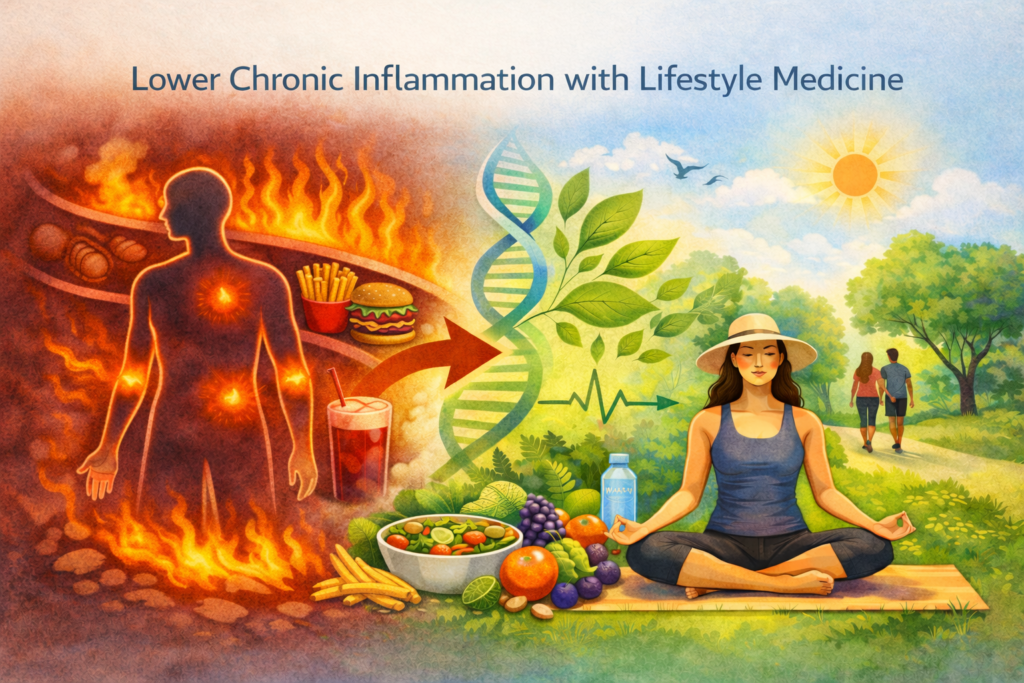
This Wellness Wednesday, I want to talk about inflammation — specifically the kind you don’t always feel. Acute inflammation is protective. It helps you heal from injury and fight infection. But chronic, low-grade inflammation is different. It quietly contributes to conditions like heart disease, type 2 diabetes, hormone imbalance, fatigue, depression, and cognitive decline. Many people come to me feeling “off” — low energy, brain fog, stubborn weight gain, disrupted sleep — and their labs may only show subtle shifts. But often, underneath those symptoms is metabolic stress and persistent inflammation. Chronic inflammation is rarely caused by one thing. It’s usually the accumulation of modern lifestyle patterns: This is why I practice Lifestyle Medicine. When we stabilize blood sugar, prioritize restorative sleep, regulate the nervous system, increase movement, and shift toward a whole-food, plant-predominant pattern, we change the internal environment. Over time, inflammatory load decreases — and energy, mood, and metabolic markers often improve. This isn’t about chasing supplements. It’s about strategy. If you’re ready to take a structured, medically guided approach to lowering inflammation and improving long-term health, explore this site to find my Lifestyle Medicine programs and reach out with any questions.
Nurse Practitioner Practice Authority by State (2026)

If you’re thinking about starting your own Nurse Practitioner practice, this is the first thing you need to understand: Your state’s practice authority determines what your business can legally look like. Before you choose a name, pick an EMR, or sign a lease, you need clarity on: Your regulatory environment shapes your autonomy, revenue potential, and long-term sustainability. Below is a clear breakdown of Full, Reduced, and Restricted practice authority, followed by a complete list of all 50 states (plus DC). What Do Full, Reduced, and Restricted Practice Authority Mean? These classifications follow the American Association of Nurse Practitioners (AANP) model. Full Practice Authority NPs can: All under the authority of the state board of nursing — without required physician oversight. Reduced Practice Authority State law reduces at least one element of NP practice. This usually means: You may operate independently in many ways, but structured physician involvement is built into the model. Restricted Practice Authority State law restricts at least one element of NP practice and requires: This significantly impacts autonomy and business structure. Complete List: NP Practice Authority by State (2026) Full Practice States Alaska Arizona Colorado Connecticut Delaware Hawaii Idaho Iowa Kansas Maine Maryland Massachusetts Minnesota Montana Nebraska Nevada New Hampshire New Mexico New York North Dakota Oregon Rhode Island South Dakota Utah Vermont Washington Wyoming Washington, D.C. Reduced Practice States Alabama Arkansas Illinois Indiana Kentucky Louisiana Mississippi New Jersey Ohio Pennsylvania West Virginia Wisconsin Restricted Practice States California Florida Georgia Michigan Missouri North Carolina Oklahoma South Carolina Tennessee Texas Virginia Why This Matters If You’re Starting an NP Practice Your state classification affects: Many NPs build a business vision before understanding the regulatory framework. That’s backwards. Clarity first. Strategy second. If you’re ready to open your own practice, transition out of insurance-driven primary care, or build a more aligned integrative clinic, explore the Nurse Practitioner mentorship programs and business resources available on this site. You don’t have to figure this out alone.
Lifestyle Medicine Hack? Buy a High-Speed Blender.
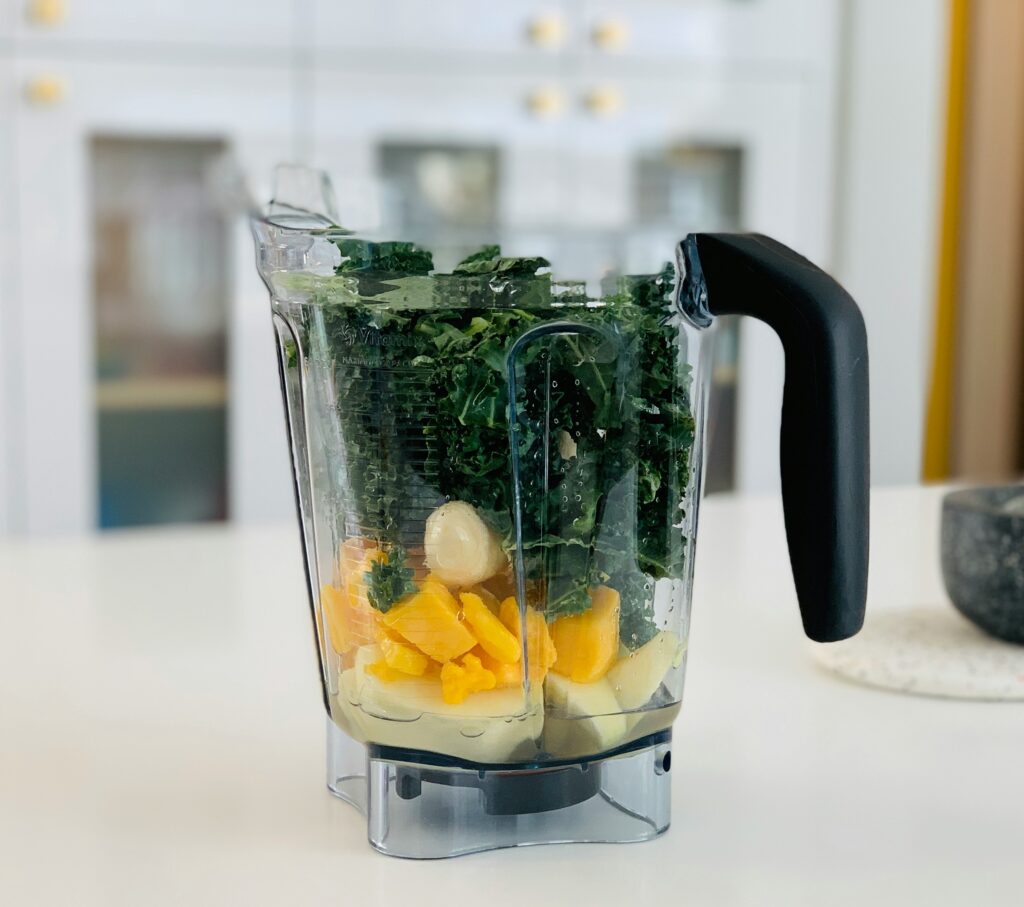
This Wellness Wednesday, I want to share something simple that has made a meaningful difference in both my kitchen and my patients’ health journeys. If you’re serious about Lifestyle Medicine, one of the most practical “hacks” I recommend is investing in a high-speed blender. Yes — I’m talking about something like a Vitamix. Before you roll your eyes and think, “That’s expensive,” hear me out. Why a High-Speed Blender Actually Matters Lifestyle Medicine is rooted in whole, minimally processed foods — vegetables, fruits, legumes, nuts, seeds, and whole grains. The more you cook and prepare at home, the more control you have over ingredients, added sugars, inflammatory oils, and unnecessary additives. A high-speed blender makes that dramatically easier. With one tool, you can: When healthy food is easier to prepare, you’re more likely to eat it consistently. And consistency is what changes health outcomes. It’s an Investment — But It Saves Money Let’s talk practically. Pre-made nut milks, nut butters, gluten-free flours, protein smoothies, and specialty plant-based products add up fast. When you make these at home, the cost drops significantly. Over time, a quality blender pays for itself. Instead of buying: You’re making them for a fraction of the price — and without the fillers. Lifestyle Medicine isn’t about perfection. It’s about building systems in your life that support healthy defaults. A high-speed blender helps create that system. The Smoothie Factor Let’s be honest — not all blenders are created equal. If you’ve ever tried to make a green smoothie with a standard blender and ended up chewing kale strings, you know what I mean. A high-speed blender: That matters, especially for people who are trying to increase plant intake but feel overwhelmed by cooking. Lifestyle Medicine Is About Reducing Friction One of the biggest barriers to healthy eating isn’t knowledge — it’s friction. “I don’t have time.” “It’s too complicated.” “I don’t know what to make.” When you have tools that simplify preparation, healthy food becomes more accessible. A blender: That reduces waste. It reduces takeout. It reduces decision fatigue. And those small shifts compound. This Is Not About Gadgets — It’s About Environment Lifestyle Medicine works best when your environment supports your goals. A high-speed blender is not a magic bullet. But it’s a practical, sustainable tool that helps you: Sometimes the “hack” isn’t a supplement or a trend. It’s upgrading the systems in your kitchen so your health becomes easier. If you’re curious about building a Lifestyle Medicine foundation that actually works in real life — not just in theory — I invite you to explore the rest of this site and learn more about my Lifestyle Medicine programs and community. Whether you’re just getting started or ready for more structure and accountability, there’s a place for you here.
Opening a Nurse Practitioner Practice: Start with the Rules in Your State
When nurse practitioners tell me they want to open a private practice, they often want to start with branding, services, or office space. That’s not the first step. The first step in opening a nurse practitioner practice is understanding the rules in your state. Whether you’re launching in Portland, Oregon, Boise, Idaho, Austin, Texas, Nashville, Tennessee, or Phoenix, Arizona, your scope of practice and regulatory environment will shape what your business can legally look like. Before you build your vision, get regulatory clarity. Know Your Scope of Practice Every state defines NP authority differently. You need to understand: Opening a nurse practitioner private practice in Portland looks different than opening one in Nashville or Phoenix. Do not rely on secondhand information. Read your state board of nursing statutes directly. Understand Business & Legal Requirements Starting a healthcare practice is both a clinical and legal decision. You may need: If you plan to take insurance, factor in credentialing timelines early. In growing markets like Austin or Boise, preparation matters. Don’t Skip Compliance Even solo NPs must have: Compliance is foundational — not optional. Why This Matters So many nurse practitioners delay opening a private practice because the unknown feels overwhelming. But when you clearly understand your state regulations, fear decreases and confidence increases. You move from: “I hope I’m allowed to do this…” To: “I know exactly what’s required — and I can build within it.” A nurse practitioner practice built on regulatory clarity is stronger, safer, and far more sustainable. If you want step-by-step guidance on opening or growing your nurse practitioner private practice — from regulations to revenue — explore the mentoring programs on this site. You don’t have to figure it out alone.
Nutrition: The #1 Pillar of Lifestyle Medicine
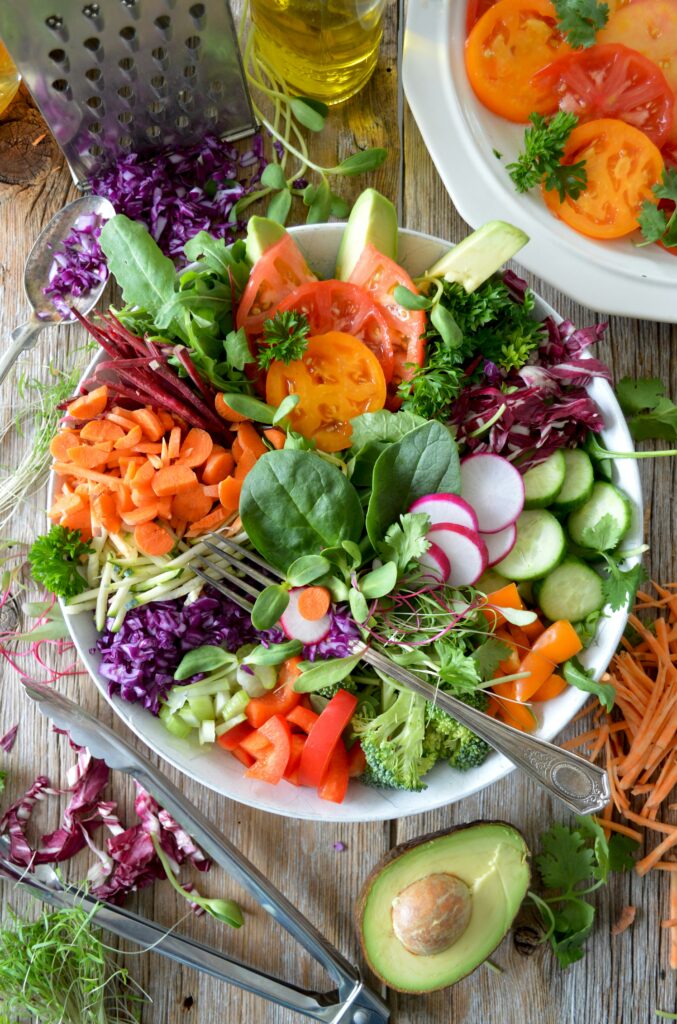
Hey folks—want to hack your health without pills or fad diets? Start with food. Nutrition isn’t just fuel; it’s medicine that prevents and reverses chronic stuff like diabetes, heart disease, and fatigue. Lifestyle medicine boils down to six pillars: nutrition (the boss), exercise, sleep, stress management, social ties, and avoiding toxins. Nutrition leads because what you eat drives inflammation, energy, and gut health—the roots of 80% of chronic diseases. The Simple Rule: Eat Plants Forget macros or cleanses. Go whole-food, plant-predominant: Fill most of your plate with veggies, fruits, whole grains, beans, nuts, and seeds. Minimize processed junk, sugars, and excess meat. Why? Plants pack fiber, antioxidants, and nutrients that stabilize blood sugar, cut inflammation, and keep you full without calorie overload. Evidence shows this slashes disease risk by 30-50%. Your 3-Meal Starter Kit Make it dead simple—no recipes needed. Breakfast: Half plate spinach and berries, 1/4 oats, 1/4 chia seeds, water or tea. Lunch: Half plate broccoli and carrots, 1/4 quinoa, 1/4 lentils, water. Dinner: Half plate kale and tomatoes, 1/4 brown rice, 1/4 black beans, herbal tea. Snacks: Apple + handful almonds. Boom—nutrient-dense, satisfying. Real Talk: It Works Patients drop meds, lose weight effortlessly, and hike farther (sound familiar?). Start with one meal; your body adapts in weeks. Track energy, not scale. Pro move: Pair with walks—nutrition + movement multiplies results. Questions? Drop ’em below. Ready to make this your reality? Check out my lifestyle medicine programs and take the next step toward effortless health. Live better, one plant at a time.
How to Start a Private Practice as a Nurse Practitioner
Starting a private practice as a Nurse Practitioner often begins with a quiet, persistent feeling: there has to be a better way to do this. For many NPs, the desire to open a practice doesn’t come from ambition alone. It comes from frustration—rushed visits, symptom-focused care, limited autonomy, and systems that don’t allow the depth of care you know your patients need. It can also come from a desire for sustainability: practicing in a way that supports your health, your values, and your long-term wellbeing. If you’re considering private practice, it’s normal to feel both excited and overwhelmed. Most Nurse Practitioners are clinically capable but underprepared for the business, legal, and emotional aspects of owning a practice. The good news is that you don’t need to have everything figured out to begin. Start With Clarity, Not Comparison One of the biggest mistakes I see is NPs trying to copy someone else’s model before understanding their own values. There is no single “right” way to run a private practice. What works beautifully for one provider may feel completely misaligned for another. Before you focus on logistics, spend time getting clear on a few foundational questions: This clarity becomes your anchor. It will guide every decision that follows, from scheduling and pricing to scope and growth. Understand Your Scope and State Regulations Private practice always begins with understanding what is legally allowed in your state. Scope of practice laws, supervision requirements, prescribing authority, and business regulations vary widely. This step isn’t glamorous, but it’s essential. Knowing the rules allows you to practice confidently and ethically, and it prevents costly mistakes down the road. When in doubt, consult your state board, professional organizations, or an attorney familiar with healthcare law. Choose a Practice Model That Fits You Private practice doesn’t automatically mean insurance-based care. There are several models available to Nurse Practitioners, including: Each has benefits and challenges. Cash-pay models often offer more flexibility and time with patients, while insurance-based models can feel more familiar but come with administrative complexity. Hybrid models combine elements of both. The “best” model is the one that aligns with your values, capacity, and goals—not the one that’s most popular online. Build the Business Side Thoughtfully Many NPs underestimate how much the business structure affects their experience of practice. Decisions around pricing, scheduling, policies, and systems shape your stress levels just as much as your clinical work. This includes: You don’t need everything to be perfect from day one. You do need systems that are clear, ethical, and supportive. You Don’t Need to Know Everything to Begin One of the most common beliefs that keeps NPs stuck is the idea that they need more training, more certifications, or more confidence before starting. While education is valuable, waiting until you feel “fully ready” often means never starting at all. Private practice is learned by doing—thoughtfully, supported, and with reflection. You can grow your clinical skills, refine your niche, and adjust your offerings over time. Starting does not lock you into one version of your practice forever. Expect the Emotional Side of Practice Ownership Starting a private practice brings up more than business questions. It can stir fear, self-doubt, grief, and comparison. You may grieve the version of medicine you hoped would be possible in traditional systems. You may question yourself when things feel slow or uncertain. This is normal. Owning a practice requires emotional resilience, not just clinical competence. Support—whether through mentorship, community, or trusted colleagues—can make a significant difference in how sustainable this journey feels. Build Something That Can Last A successful private practice isn’t defined only by income or growth. It’s defined by sustainability. Can you do this work without burning out? Can your practice support your life, not consume it? Growth doesn’t always mean adding more patients, more services, or more hours. Sometimes it means simplifying, refining, and protecting what matters most. You Don’t Have to Do This Alone I often say I wish I had had a mentor when I started my first practice. Experience brings clarity, but support can shorten the learning curve and reduce unnecessary stress. If you’re feeling called to practice medicine differently, know that it’s possible to build a private practice that aligns with your values and supports your wellbeing. You don’t have to practice like anyone else—and you don’t have to figure it all out on your own. If this resonates, explore my site to learn more about mentorship and resources designed to support Nurse Practitioners building or growing integrative, sustainable practices.
Social Connection: One of the Most Challenging Pillars of Lifestyle Medicine

Social connection is one of the pillars of Lifestyle Medicine that I see people struggle with the most. Not because they don’t care about connection, but because adult life makes it genuinely hard. As kids, connection is built into our days. School, sports, neighborhoods, family gatherings. As adults, those structures often fall away. Work gets busy. People move. Energy gets lower. Health challenges, caregiving, grief, and burnout take up space. Before you know it, your world feels smaller—and rebuilding connection can feel awkward, exhausting, or even scary. That doesn’t mean you’re doing anything wrong. It means you’re human. Why Connection Gets Harder Over Time Many adults tell me they feel lonely but don’t know how to talk about it. Others worry they should “already have” a solid social circle by now. The truth is, many people are in the same place—you just don’t always see it. Some of the most common barriers I hear are: For some people, health issues or trauma make connection feel especially vulnerable. For others, being introverted means socializing takes more energy than it gives. All of this matters. Connection Doesn’t Have to Mean Big Social Lives When we talk about social connection in Lifestyle Medicine, we’re not talking about constant socializing or becoming someone you’re not. Connection can be quiet. It can be structured. It can be built slowly. Often, the easiest way in is through shared activity, not pressure to “make friends.” This might look like: You don’t have to be outgoing. You don’t have to be interesting. You just have to show up. The Discomfort Is Part of the Process Putting yourself out there can bring up discomfort. Self-doubt. Comparison. Fear of not fitting in. That doesn’t mean you should stop—it means you’re stretching a muscle you haven’t used in a while. Connection doesn’t usually happen all at once. It builds over time, through repeated contact and shared experience. Let it be imperfect. Let it be a little awkward. Most meaningful things are at first. Why Community Matters So Much This is one reason I care so deeply about community-based support. Being in spaces where people are also trying to take care of themselves—physically, emotionally, and mentally—can ease isolation in a very real way. You don’t have to share everything. Sometimes just being around others, week after week, is enough to remind your nervous system that you’re not alone. Start Small and Be Kind to Yourself If social connection feels like the hardest pillar for you, you’re not failing. You’re engaging with one of the most vulnerable parts of being human. Start small. Choose one place where connection might happen. Give it time. Be gentle with yourself in the process. Health doesn’t happen in isolation. And you don’t have to do this alone. If you’re curious about supportive ways to build connection alongside other pillars of health, explore my site to learn more about my programs and community. Social connection is one of the most powerful—and often one of the most challenging—pillars of Lifestyle Medicine for adults. Many people assume connection should come easily or naturally, but for a lot of us, it doesn’t. As we move through adulthood, opportunities for organic connection often shrink. Work, caregiving, health challenges, relocation, grief, and burnout can quietly narrow our social worlds. And yet, the need for connection doesn’t disappear. Strong social connection is associated with lower rates of depression, anxiety, cardiovascular disease, cognitive decline, and all-cause mortality. Loneliness, on the other hand, has been shown to have health impacts comparable to smoking or physical inactivity. This makes social connection not a “nice-to-have,” but a core component of long-term wellbeing. Still, knowing it matters doesn’t make it easy. Why Social Connection Feels So Hard as an Adult Many adults feel embarrassed admitting they’re lonely. Others worry that something is “wrong” with them for struggling to make or maintain friendships. In reality, this challenge is incredibly common. As adults, we often: For some, health issues, trauma, or life transitions make connection feel especially vulnerable. For others, introversion or neurodivergence means traditional social settings feel draining rather than nourishing. All of this deserves compassion—not judgment. Reframing Social Connection Social connection doesn’t have to mean constant socializing, large groups, or deep friendships right away. It can start small. It can be structured. It can be purpose-driven. Connection is not about forcing yourself to be more social than you are. It’s about creating conditions where meaningful interaction can happen. Often, the most sustainable connections grow out of shared activities rather than pressure to “make friends.” Gentle Ways to Build Connection For many people, joining something structured can feel safer and more approachable than trying to initiate one-on-one friendships. Some options include: These environments offer built-in conversation, shared purpose, and repeated exposure over time—three key ingredients for connection. You don’t need to show up perfectly. You just need to show up. The Emotional Side of Putting Yourself Out There It’s important to acknowledge that trying to build connection can bring up discomfort. Fear of rejection. Comparison. Feeling “behind.” Worry about not fitting in. These feelings don’t mean you’re doing something wrong. They mean you’re human. Taking small, consistent steps—rather than pushing yourself into overwhelming situations—can help your nervous system feel safer while you practice connection. Community as a Form of Medicine This is one reason I believe so deeply in community-based support. Being in spaces where others are also learning, growing, and prioritizing their health can reduce isolation and remind you that you’re not alone in your struggles. Connection doesn’t require vulnerability all at once. Sometimes it starts with simply being in the same space, week after week, with people who share similar intentions. Progress Over Perfection If social connection feels like the hardest pillar for you, you’re not failing at Lifestyle Medicine—you’re engaging with one of its most human aspects. Start where you are. Choose one small way to place yourself in connection with others. Let it be imperfect. Let it unfold slowly. Healing doesn’t happen in isolation. And you don’t have to navigate
What Mentorship Can (and Cannot) Do for You as an APRN

I often say, “I wish I had had a me for me when I started my first practice.” That sentence comes from lived experience—not regret, but clarity earned the long way around. I’ve started and grown two integrative practices in two different states, and while I learned an incredible amount along the way, I also know how much easier certain seasons would have been with steady, experienced guidance. Mentorship isn’t magic. It won’t remove uncertainty, eliminate hard work, or make every decision obvious. But when used well, mentorship can be one of the most stabilizing, grounding supports you have as a Nurse Practitioner building or growing a practice. Mentorship Is Not a Shortcut—It’s a Companion One of the biggest misconceptions about mentorship is that it provides a shortcut to success. In reality, mentorship doesn’t replace discernment or effort—it supports them. You still make the decisions. You still take the risks. You still do the work of showing up for your patients and your practice. What mentorship does offer is a trusted companion alongside you while you do that work. Someone who has already navigated the questions you’re asking now. Someone who understands the emotional weight of practicing medicine differently and the very real responsibility of running a business that supports both your patients and your livelihood. What Mentorship Can Do Mentorship can help you see more clearly. When you’re inside your own practice—or still imagining one—it’s easy to feel overwhelmed by options, opinions, and external noise. A mentor helps you filter what actually matters for yourvalues, goals, and nervous system. Mentorship can shorten the learning curve. Not by rushing growth, but by helping you avoid common and costly missteps. Legal decisions, financial structures, pricing, boundaries, scheduling, systems—these are things most APRNs are never trained in, yet they shape the sustainability of your practice from day one. Mentorship can support your clinical identity. Practicing integrative or lifestyle medicine often requires unlearning parts of conventional systems while still honoring evidence, safety, and scope. Having guidance here can deepen your confidence and help you practice with integrity rather than second-guessing yourself at every turn. Mentorship can reduce isolation. Private practice can feel surprisingly lonely, especially when your peers don’t understand the pressures you’re navigating. Sometimes what’s needed isn’t another strategy, but a space to be heard by someone who truly understands the terrain. Mentorship can protect against burnout. Burnout doesn’t automatically disappear when you leave mainstream systems. Without thoughtful structure, private practice can recreate the same exhaustion in a different form. Mentorship can help you build a practice that supports your health, not one that slowly depletes it. What Mentorship Cannot Do Mentorship cannot make decisions for you. It won’t remove fear entirely or guarantee a specific outcome. It can’t replace your intuition, your clinical judgment, or your responsibility as a provider and business owner. Mentorship also isn’t about copying someone else’s model wholesale. Your practice doesn’t need to look like mine—or anyone else’s—to be successful. In fact, the goal is the opposite: helping you build something that truly fits you. Why Mentorship Matters for APRNs in Particular Nurse Practitioners often feel pressure to prove themselves—clinically, professionally, and financially. Many of the APRNs I work with are deeply capable, thoughtful clinicians who simply haven’t been shown how to translate that skill into a sustainable, values-aligned practice. Mentorship helps bridge that gap. It supports APRNs in stepping fully into leadership—not by becoming someone else, but by practicing medicine in a way that feels ethical, humane, and whole. Practicing Medicine Differently Requires Support The future of healthcare depends on clinicians who think differently. Who listen deeply. Who refuse to rush care or reduce patients to symptoms. But practicing this way takes courage—and support. Mentorship doesn’t give you all the answers. What it gives you is steadiness, perspective, and the reminder that you don’t have to do this alone. If this resonates, explore my site to learn more about my work—and reach out if you’d like to work with me.