Fiber: An Underrated Foundation of Lifestyle Medicine

Fiber doesn’t get the attention it deserves. It’s not trendy. It’s not flashy. And yet, when I look at the health concerns people come to me with—blood sugar imbalance, high cholesterol, digestive issues, chronic inflammation, weight struggles—fiber shows up again and again as a missing piece. In Lifestyle Medicine, we focus on the pillars that actually move the needle on long-term health. Nutrition is one of those pillars, and fiber sits quietly at the center of it. Most people aren’t deficient in protein. They aren’t deficient in supplements. But they are consistently under-consuming fiber—and the ripple effects are significant. What Fiber Actually Does in the Body Fiber is the part of plant foods that your body can’t digest. Instead of being broken down and absorbed, it moves through the digestive tract and interacts with your gut, your blood sugar, your cholesterol, and your microbiome along the way. There are two main types of fiber—soluble and insoluble—and both matter. Soluble fiber forms a gel-like substance in the gut. It slows digestion, helps stabilize blood sugar after meals, and binds to cholesterol so it can be excreted rather than reabsorbed. Insoluble fiber adds bulk to stool and supports regular, healthy bowel movements. Together, fiber helps regulate systems that many people are trying to “fix” with medications alone. Fiber and Blood Sugar Regulation One of the most important roles fiber plays in Lifestyle Medicine is blood sugar control. When you eat a meal that contains adequate fiber—especially from whole plant foods—glucose enters the bloodstream more slowly. This reduces blood sugar spikes and lowers the demand on insulin. Over time, this can improve insulin sensitivity and reduce the risk of progressing toward prediabetes or type 2 diabetes. This is why two meals with the same number of carbohydrates can have very different effects on the body depending on fiber content. It’s not just what you eat—it’s how that food interacts with your physiology. Fiber, Cholesterol, and Heart Health Soluble fiber has a well-documented effect on cholesterol levels. It binds bile acids in the gut, which forces the liver to pull cholesterol from the bloodstream to make more bile. The result is lower LDL cholesterol over time. This is one of the reasons Lifestyle Medicine places such a strong emphasis on whole plant foods for cardiovascular health—not as a rigid rule, but as a powerful therapeutic tool. Fiber doesn’t work in isolation. It works alongside movement, stress management, sleep, and other pillars to reduce cardiovascular risk in a sustainable way. Fiber and the Gut Microbiome Your gut bacteria rely on fiber as their primary fuel source. When you don’t eat enough fiber, beneficial bacteria struggle to thrive. When you do, they produce short-chain fatty acids that support gut integrity, immune regulation, and even brain health. In many ways, fiber is less about feeding you and more about feeding the ecosystem inside you. This connection between fiber, gut health, inflammation, and mental well-being is one of the reasons Lifestyle Medicine views the body as an integrated system—not a collection of isolated symptoms. Fiber and Weight Regulation Fiber increases satiety. It helps you feel full longer, reduces overeating, and supports more stable energy throughout the day. This isn’t about restriction—it’s about alignment with how the body naturally regulates appetite. When meals are fiber-rich, people often find that cravings lessen, portions normalize, and weight changes feel less forced. That’s a very different experience than chasing weight loss through extremes. How Fiber Fits Into Lifestyle Medicine Lifestyle Medicine isn’t about perfection. It’s about patterns. Fiber fits beautifully into this framework because it’s not something you “add on” for a short period of time. It’s something you build into daily life through real food—vegetables, fruits, beans, lentils, whole grains, nuts, and seeds. When fiber intake increases, we often see improvements across multiple pillars at once: That kind of overlap is exactly what Lifestyle Medicine is designed to support. A Gentle Reminder If you’re currently eating very little fiber, it’s important to increase intake gradually and drink adequate fluids. Sudden large increases can lead to bloating or discomfort—not because fiber is harmful, but because your gut needs time to adapt. Lifestyle change works best when it’s steady, supportive, and individualized. Fiber isn’t a quick fix. It’s a foundation. And in Lifestyle Medicine, foundations matter. If you’d like to learn more about how nutrition—and the other pillars of Lifestyle Medicine—work together to support long-term health, explore the programs and resources available throughout this site.
What Would Your Ideal Practice Look Like in 3 Years?

If I asked you this question quickly, your mind might jump straight to logistics—income, hours, location, maybe even a dream office space. But before we get practical, I want to slow this down. Most nurse practitioners don’t burn out because they lack skill or dedication. They burn out because they build practices that don’t actually support their lives. This exercise isn’t about predicting the future or locking yourself into a rigid plan. It’s about creating clarity. When you know what you’re building toward, the decisions you make today start to feel more grounded—and far less overwhelming. Why 3 Years? Three years is far enough away to allow meaningful change, but close enough to feel real. It gives you room to grow without drifting endlessly into “someday.” You don’t need to know how everything will happen yet. You just need a direction. Step One: Zoom Out From the Job Title Before we talk about patients, pricing, or business structure, start here: In three years, how do you want your life to feel? Ask yourself: Your practice should serve your life—not the other way around. Step Two: Imagine Your Ideal Workday Now bring it closer to your daily reality. Picture a typical workday three years from now: Then zoom out a bit further: These details shape your experience far more than most people realize. Step Three: How Do You Want to Practice? Many NPs feel tension between how they were trained and how they actually want to practice. Take a moment to reflect: There is no ideal structure—only the one that fits your capacity, values, and stage of life. Step Four: The Kind of Care You Want to Provide Now consider the care itself. Ask yourself: Your ideal practice isn’t defined by what you can do. It’s defined by what you want to do consistently without burning out. Step Five: Get Honest About the Financial Picture Now let’s talk about money—not from a hustle mindset, but from a clarity one. In three years, how do you want your practice to support you financially? There are many sustainable models, but they usually fall along a spectrum: None of these approaches is inherently better than the others. What matters is whether the model fits your energy, values, and capacity. Ask yourself: Once you have a rough financial goal, work backward:If this is the income I want to earn, and this is what I charge per visit, how many patients would I need to see each week to reach that? This isn’t about pressure. It’s about alignment. When pricing, patient volume, and schedule support each other, your practice becomes far more sustainable. Step Six: Turn Reflection Into a Simple Map You don’t need a detailed business plan right now. You need direction. Try writing down: That’s enough to begin. A Final Thought If your current role feels draining or limiting, that doesn’t mean you chose the wrong profession. Often, it means you’re ready to practice differently. You don’t need to have everything figured out to move forward. You just need permission to imagine something better—and space to build it intentionally. If you’re curious to explore more, take a look around my site and see what resonates. And as always, feel free to reach out if you have questions.
Why Social Connection Is a Pillar of Lifestyle Medicine

In honor of National Hug Day, I thought it was the perfect moment to slow down and break down one of the most underestimated pillars of Lifestyle Medicine: social connection. We often think of lifestyle medicine in terms of food, movement, or sleep. But human connection is not a “nice bonus” to good health—it is a biological need. And when it’s missing, no amount of supplements, exercise, or perfectly balanced meals can fully compensate. Social connection isn’t just about being around people. It’s about feeling seen, supported, safe, and valued. It’s about belonging. And our bodies know the difference. The Science Behind Connection and Health Decades of research show that strong social relationships are associated with: Chronic loneliness, on the other hand, has been linked to increased risk of depression, anxiety, cardiovascular disease, cognitive decline, and even premature death. Some studies suggest its health impact rivals that of smoking or obesity. When we feel connected, our nervous system shifts into a state of safety. Stress hormones decrease. Oxytocin—the “bonding hormone”—is released. Our bodies move out of survival mode and into a state where healing, regulation, and resilience are possible. This is why social connection is not optional in lifestyle medicine. It is foundational. Modern Life Is Quietly Disconnected Many people are surrounded by others yet still feel deeply alone. We live in a culture of productivity, independence, and constant digital interaction—but not necessarily meaningful connection. Busy schedules, long work hours, caregiving responsibilities, and chronic stress slowly erode our sense of community. Even relationships that look “fine” on the outside can lack emotional safety, presence, or depth. As a clinician, I see this all the time: patients doing “everything right” from a health perspective but still feeling exhausted, anxious, or unwell. When we look deeper, there is often grief, isolation, or disconnection beneath the surface. The body keeps the score. What Social Connection Really Means Social connection isn’t about having a large social circle or constant social activity. It’s about quality, not quantity. It can look like: It also includes the relationship you have with yourself. When you’re chronically self-critical, disconnected from your body, or constantly overriding your own needs, that internal disconnection matters too. Lifestyle medicine addresses both. Rebuilding Connection Is a Practice If connection doesn’t feel easy or natural right now, that doesn’t mean you’re broken. It means you’re human in a demanding world. Rebuilding connection is a practice—one that happens slowly, gently, and intentionally. It may start with: Sometimes it also means grieving what’s been lost—relationships that changed, communities that dissolved, or versions of connection that no longer fit. That grief deserves space too. Why Lifestyle Medicine Includes Community This is one of the reasons community is woven into all of my Lifestyle Medicine programs. Lasting health change doesn’t happen in isolation. It happens when people feel supported, understood, and connected to others walking a similar path. Education matters—but so does accountability, shared experience, and knowing you’re not alone. We are wired to heal together. A Small Reflection for Today On National Hug Day, I’ll leave you with a simple reflection: Who—or what—helps your body feel safe? That might be a person, a place, a memory, or even a moment of stillness. Pay attention to where your nervous system softens. That’s not accidental. That’s medicine. Social connection is not a luxury.It is a pillar of health. If you’re curious to go deeper, explore the Lifestyle Medicine programs available on the site and see which path feels aligned for you.
Starting Your First Practice: A Better Way to Build What You’ve Been Dreaming About
For many nurse practitioners, the desire to open a private practice doesn’t come from ambition alone—it comes from frustration. Frustration with rushed visits.Frustration with symptom-focused care.Frustration with practicing in systems that leave both providers and patients depleted. I know this feeling well. After decades of working as a nurse, nurse practitioner, and patient advocate, I reached a point where I knew mainstream medicine wasn’t allowing me—or my patients—to truly thrive. I wanted the freedom to practice integrative, holistic care without cutting appointments short, battling insurance restrictions, or sacrificing my own wellbeing in the process. So I built something different. You Don’t Need to Be “More Ready” to Begin One of the biggest myths I see among APRNs considering private practice is the belief that they need more first—more certifications, more years, more confidence, more clarity—before they can start. In reality, what most practitioners need isn’t more training.They need a clear, proven path. When I opened my first practice, I didn’t have everything figured out. What I did have was a vision for how I wanted to practice and the willingness to take aligned, strategic steps forward. That practice grew from zero to over 600 patients and into a sustainable six-figure business—all while seeing patients just three days a week. I later repeated that process when opening my second integrative clinic in another state. The lesson was clear: success doesn’t come from doing everything—it comes from doing the right things in the right order. What Holds Most NPs Back From Starting If you’re thinking about starting your first practice, chances are you’ve felt some version of these concerns: These fears are understandable—but they are also surmountable. Starting a practice is supposed to feel unfamiliar. What it shouldn’t feel like is something you have to figure out alone. A Framework for Building a Practice That Actually Flourishes Over time, I realized that APRNs didn’t need another scattered course or generic business advice. They needed a step-by-step system designed specifically for integrative nurse practitioners—one that addressed mindset, operations, and sustainability together. That’s why I created Your Flourishing Practice. This program walks you through each phase of starting your own integrative practice—from clarifying your mission and values, to setting up operations legally and affordably, to building a brand and patient base that reflects who you truly are as a provider. It’s not about hustle or burnout.It’s about building something aligned, sustainable, and fulfilling. Inside the program, I teach the exact strategies I used to: Mentorship Makes the Difference One thing I know for certain: private practice is not meant to be a solo journey. That’s why ongoing mentorship and community are central to how I support APRNs. Through Your Flourishing Practice, participants receive lifetime access to live mentorship, peer support, and a community of practitioners who understand exactly what it means to step outside the mainstream and build something better. Growth happens faster—and with far less stress—when you’re surrounded by people who’ve walked the path before you and those walking it alongside you. If You’re Feeling the Pull, Trust It If you’re reading this and feeling that familiar nudge—the sense that there has to be a better way to practice—I encourage you to listen. You don’t need to have everything figured out.You don’t need to wait until you feel fearless.You just need a clear plan and the right support. Starting your first practice can be the beginning of a career that finally feels aligned with why you became a nurse practitioner in the first place. And you don’t have to do it alone.
ACLM’s Stance on the New Dietary Guidelines: What Matters—and What Needs Context

The release of new Dietary Guidelines always sparks strong reactions. Some people feel validated. Others feel frustrated or skeptical. As a Lifestyle Medicine practitioner and Diplomate of the American College of Lifestyle Medicine, I believe it’s important to slow down and look at what these guidelines actually say—where they align with evidence-based care, and where context really matters. The American College of Lifestyle Medicine (ACLM) recently released a statement supporting several key elements of the new Dietary Guidelines, particularly their emphasis on whole foods and chronic disease prevention. I agree with much of ACLM’s position—and I also think it’s essential that people understand how dietary guidelines are created and where their limitations lie. Both things can be true at the same time. Where ACLM Strongly Agrees With the New Guidelines ACLM applauds the Dietary Guidelines’ focus on food as a driver of chronic disease—and this is an area where the science is very clear. The strongest points of alignment include: These recommendations reflect decades of research showing that dietary patterns rich in whole plant foods are associated with lower risk of heart disease, diabetes, obesity, and many inflammatory conditions. This is foundational Lifestyle Medicine—and it’s an area where we should be unified. The Core of ACLM’s Nutrition Position ACLM’s position goes a step further by clearly outlining what an optimal dietary pattern looks like for the prevention, treatment, and even reversal of lifestyle-related chronic disease. According to ACLM, two evidence-based principles matter most: This approach isn’t about dietary perfection. It’s about reducing the foods most strongly associated with inflammation, insulin resistance, cardiovascular disease, and metabolic dysfunction. Where Context Is Often Missing: How Dietary Guidelines Are Formed Here’s where nuance matters. Dietary Guidelines are not written in a vacuum of pure science. They are influenced by: That doesn’t make them useless—but it does mean they are highly biased toward what is achievable at scale, not necessarily what is therapeutically optimal for every individual. Lifestyle Medicine practitioners understand this distinction. Population guidelines are a starting point—not the endpoint—for individualized care. Saturated Fat: Not a Moral Issue, but a Clinical One One of the most debated areas in the guidelines is saturated fat. ACLM’s stance is not “zero saturated fat” and it’s not fear-based. It’s grounded in outcome data showing that diets higher in saturated fat—particularly from processed and animal-based sources—are associated with higher cardiovascular risk when they displace fiber-rich, plant-based foods. What matters clinically is: Replacing saturated fat with refined carbohydrates does not improve health. Replacing it with whole plant foods consistently does. This is where reductionist nutrition debates miss the point. Lifestyle Medicine looks at patterns, not single nutrients in isolation. Food as Medicine Exists on a Spectrum One of the most important ACLM statements—and one I strongly support—is that food-based interventions exist on a continuum. Nutrition for: …does not look the same for everyone. Some people may benefit from modest changes. Others need more intensive, therapeutic nutrition approaches. This is where trained clinicians, not social media trends, should guide care. Why This Matters for Patients—and Practitioners When nutrition guidance becomes polarized, people either: Lifestyle Medicine offers a grounded middle path: The ACLM’s support of whole-food, plant-predominant eating is not about ideology—it’s about outcomes. And its acknowledgment of food as a powerful medical intervention is long overdue in mainstream healthcare. My Takeaway I stand behind most of ACLM’s stance on the new Dietary Guidelines. I also believe patients deserve transparency about where guidelines come from—and clinicians deserve the freedom to go deeper when evidence supports it. Nutrition doesn’t need to be extreme to be effective.But it does need to be intentional. This is the heart of Lifestyle Medicine—and it’s why I continue to teach, practice, and advocate for it.
How Nurse Practitioners Can Start Bringing Lifestyle Medicine Into Their Practice

Lifestyle Medicine is having a moment—and for good reason. Chronic disease rates are rising, burnout among clinicians is real, and many of us feel a growing disconnect between how we were trained to practice and the kind of care our patients actually need. If you’re a nurse practitioner feeling curious about Lifestyle Medicine—but also overwhelmed by where to start—I want you to know this: you don’t have to overhaul your entire practice to begin. You can start exactly where you are, with the patients you already see, using tools you already have. Lifestyle Medicine isn’t a separate specialty you need permission to enter. It’s a way of practicing that can be woven into any clinical setting. Let’s talk about what that actually looks like. What Lifestyle Medicine Really Is (and What It Isn’t) Lifestyle Medicine is an evidence-based approach to preventing, treating, and often reversing chronic disease by addressing root-cause behaviors and patterns—things like nutrition, movement, sleep, stress, social connection, and substance use. At its core, Lifestyle Medicine asks a simple but powerful question: What is driving this person’s symptoms—and what support do they need to change that sustainably? It’s not about perfection.It’s not about rigid rules.And it’s definitely not about telling patients to “just eat better and exercise more.” True Lifestyle Medicine is collaborative, compassionate, and practical. You’re Probably Already Practicing More Lifestyle Medicine Than You Think Many NPs assume they need additional credentials, a new clinic model, or a totally different patient population before they can “do” Lifestyle Medicine. In reality, if you are: You’re already touching Lifestyle Medicine. The shift isn’t what you talk about—it’s how intentionally and consistently you integrate it. Start by Changing the Conversation, Not the Visit Length One of the biggest myths I hear is:“I don’t have time for Lifestyle Medicine.” Time constraints are real—but integration doesn’t require hour-long visits. Instead of adding more, try reframing what’s already there. For example: Small shifts compound—both for your patients and for your practice. Anchor Lifestyle Medicine to Clinical Outcomes Lifestyle Medicine works best when it’s connected to things patients already care about. Labs.Symptoms.Energy.Quality of life. Rather than presenting lifestyle change as a moral or motivational issue, ground it in physiology and outcomes: When patients understand why a change matters, buy-in increases dramatically. Build Systems, Not Willpower One of the most important lessons I’ve learned—both as a practitioner and a human—is that willpower is not a long-term strategy. Lifestyle Medicine succeeds when we help patients build systems: This might look like: You don’t have to do everything yourself—but you do need a framework. You Don’t Have to Choose Between Medicine and Lifestyle Care Some NPs worry that embracing Lifestyle Medicine means rejecting medications or conventional care. That’s not true. Lifestyle Medicine and medical management are not opposites—they’re partners. Medications can stabilize.Lifestyle change can heal. Used together, they often allow patients to: This integrative approach is where many NPs find their work becomes more meaningful again. Education Matters—but It Doesn’t Have to Be Overwhelming If you’re ready to go deeper, formal education can be incredibly helpful. Programs through organizations like the American College of Lifestyle Medicine provide strong foundations in evidence-based Lifestyle Medicine principles. But remember: learning and implementation can happen at the same time. You don’t need to know everything before you start.You just need to start with intention. Why This Matters—for You, Too Many NPs come to Lifestyle Medicine not just because their patients need it—but because they do. Burnout, compassion fatigue, and disillusionment are common in our profession. Practicing in a way that aligns with your values—prevention, relationship, root-cause healing—can be deeply restorative. Lifestyle Medicine doesn’t just change patient outcomes.It often changes clinicians’ lives. A Final Word of Encouragement If you’ve been feeling: You’re not behind.You’re right on time. Lifestyle Medicine isn’t a destination—it’s a direction.And you can begin today, one conversation at a time. If you’re interested in structured support, education, and community as you bring Lifestyle Medicine into your practice, explore my resources here on the site. You don’t have to do this alone—and you don’t have to do it perfectly to make a difference.
What Is Lifestyle Medicine—and Why I Use It in My Practice
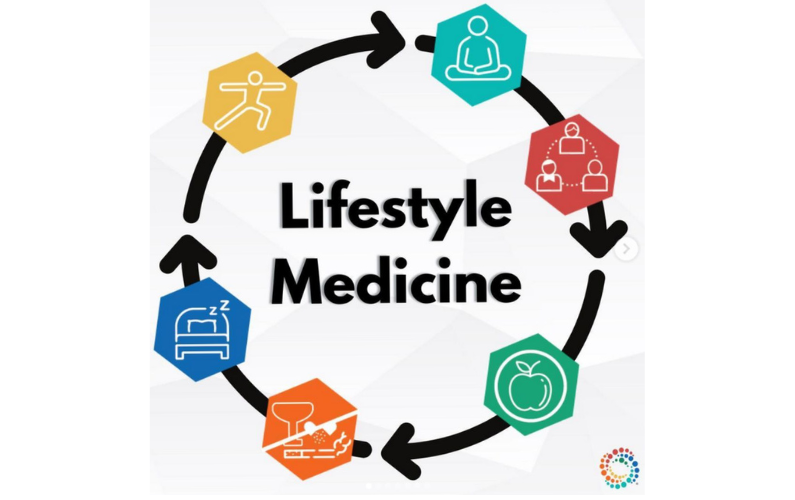
Lifestyle Medicine is a term I’ve been using a lot lately, and I’ve realized that people often have very different ideas about what it actually means. Some assume it’s just another way of saying “eat better and exercise more.” Others wonder if it means avoiding medication or traditional medical care. And some aren’t sure if it’s just another wellness trend with a new name. So I want to take a moment to slow down and explain what Lifestyle Medicine really is, why I use it, and why it’s become such an important part of how I care for people. Why Lifestyle Medicine Matters After years of working as an integrative nurse practitioner, one thing has become very clear to me: most people don’t come in because of just one problem. They come in feeling tired, inflamed, overwhelmed, anxious, stuck, or disconnected from their bodies. They may have a diagnosis—or several—but underneath it all is often the same question: “Why don’t I feel well, even though I’m doing what I’ve been told?” Traditional medicine is excellent at diagnosing disease and managing symptoms. Medications can be lifesaving and absolutely necessary. But many people are still left without support for the daily patterns that quietly shape their health over time. That’s where Lifestyle Medicine comes in. What Is Lifestyle Medicine? Lifestyle Medicine is an evidence-based approach to healthcare that focuses on the daily habits, patterns, and environments that influence your physical, mental, and emotional health. It looks at how you eat, move, sleep, respond to stress, connect with others, and find meaning in your life—and how those factors work together to either support healing or contribute to chronic symptoms. This isn’t about doing everything “right.” It’s about understanding how your body is responding to the life you’re living and making intentional, sustainable shifts that support long-term health. The Foundations of Lifestyle Medicine Lifestyle Medicine is built on several core pillars that are strongly supported by research and clinical outcomes: NourishmentNot dieting. Not restriction. But learning how food affects inflammation, blood sugar, hormones, energy, and mood—and finding an approach that works for your body and your life. MovementMovement as medicine, not punishment. The right kind of movement can reduce pain, improve mental health, regulate blood sugar, and support resilience—without pushing your body into burnout. SleepSleep is foundational. Lifestyle Medicine treats sleep quality, rhythms, and routines as essential—not optional—because healing doesn’t happen without rest. Stress & Nervous System HealthChronic stress impacts nearly every system in the body. Lifestyle Medicine includes tools to calm the nervous system, build emotional regulation, and help your body feel safe enough to heal. ConnectionHumans heal in connection. Loneliness and lack of support have real health consequences, while meaningful relationships improve outcomes across many conditions. Purpose & MeaningFeeling disconnected from purpose affects motivation, mental health, and physical well-being. Lifestyle Medicine recognizes that meaning matters when it comes to sustainable change. What Lifestyle Medicine Is Not Lifestyle Medicine is not about blame, shame, or willpower.It’s not a one-size-fits-all plan.And it’s not about replacing medications when they’re needed. Instead, it’s collaborative. We look at what’s realistic for your life right now and build from there—step by step. Why This Approach Works Many people have been told what to do before. Few have been supported in how to do it in a way that fits their nervous system, capacity, and real-life demands. Lifestyle Medicine works because it: This is why I’ve leaned into Lifestyle Medicine more and more over the years. It gives people understanding, tools, and support—not just instructions. Who Lifestyle Medicine Is For Lifestyle Medicine can support people who: You don’t have to overhaul your life to begin. You just have to be curious. If this approach resonates, I invite you to explore the site to learn more about my Lifestyle Medicine programs and how they’re designed to support real, lasting change.
Why Willpower Fails (and What Actually Creates Change)

Willpower is a mental tool. It lives in the thinking brain. While it can be helpful for short bursts, it’s not designed to override emotional needs, nervous-system patterns, or long-standing coping strategies. That’s why you can feel motivated in the morning and completely depleted by evening. When willpower fails, it’s not because you’re weak.It’s because something deeper is asking for attention. Most Habits Exist for a Reason Every habit—especially the ones you judge the most—once served a purpose. Stress eating.Overworking.Scrolling.Drinking.Numbing out.Pushing through exhaustion. At some point, these behaviors helped you cope, rest, soothe, feel safe, or feel connected. Your body learned, “This works.” Trying to remove these patterns with willpower alone often creates more stress, more shame, and more rebound behavior. Sustainable Change Comes From Curiosity, Not Control In The FLOURISH Way™, we approach change with curiosity instead of force. Instead of asking,“Why can’t I stop doing this?”we ask,“What am I getting from this right now?” That single question shifts everything. When you understand why a behavior exists, you can meet the underlying need in a more supportive way—without fighting yourself. The Body Is Always Communicating Your body isn’t sabotaging you.It’s communicating. Cravings often point to emotional depletion.Burnout often reflects ignored boundaries.Anxiety frequently signals unprocessed stress.Fatigue is usually a request for rest—not more effort. When we slow down enough to listen, change becomes easier, not harder. Why Shame Keeps You Stuck Shame shuts down curiosity. When you believe something is “wrong” with you, your nervous system moves into protection mode. In that state, healing doesn’t happen—survival does. This is why beating yourself up rarely leads to lasting change.Compassion, safety, and understanding do. Real Change Happens When You Feel Safe Enough to Shift When your body feels safe, supported, and heard, patterns naturally begin to soften. You don’t need more rules, restriction, or willpower.You need awareness, support, and tools that work with your system—not against it. This is how habits dissolve instead of being replaced. A Gentle Invitation If you’ve been stuck in cycles of trying harder, starting over, or blaming yourself, pause. Nothing is broken.Nothing needs fixing. Your system is asking for a different approach. And when you learn how to listen, change often happens faster than you expect. If this resonates and you’d like support uncovering what’s underneath your patterns—and how to shift them in a sustainable, aligned way—I’d love to work with you.
When It’s Time to Pivot — and When It’s Not

At some point in practice, nearly every nurse practitioner asks the same question:Is this a sign that something isn’t working—or am I just in a hard season? Private practice, integrative work, and even traditional clinical roles all come with moments of discomfort. Growth stretches us. Responsibility can feel heavy. And not every challenge is a message to change direction. Knowing the difference between temporary discomfort and true misalignment is one of the most important skills you’ll develop as an NP. Discomfort Isn’t a Signal to Quit Discomfort often shows up when you’re: These moments can feel unsettling, but they’re often signs that you’re expanding, not failing. Discomfort usually comes with growth, curiosity, and a sense of “this is hard, but I’m learning.” If you still feel connected to your work—even when it’s challenging—that’s often a sign to stay and refine, not pivot. When You’re in a Hard Season (Not a Wrong One) Hard seasons tend to feel: In these seasons, the work may need support, not abandonment. Mentorship, systems, clearer boundaries, or adjusted expectations can often resolve what feels overwhelming. A hard season asks for structure and support, not a total reinvention. Misalignment Feels Different True misalignment tends to show up as: Misalignment doesn’t usually feel loud or dramatic. It’s often subtle, steady, and draining. And unlike discomfort, it doesn’t soften as you gain skill or confidence. That’s when a pivot may be necessary—not because you failed, but because you listened. Before You Pivot, Ask These Questions Before making a major change, pause and ask: Many pivots are actually refinements: changing hours, patient population, pricing, offerings, or boundaries—rather than starting over entirely. A Pivot Isn’t an Emergency One of the biggest mistakes NPs make is treating uncertainty like an urgent problem that needs immediate action. You don’t have to decide everything at once. Clarity comes from listening, not rushing. Sometimes the most aligned move is staying put long enough to learn what the season is trying to teach you. And sometimes the most courageous choice is letting go of something that no longer fits—without needing it to make sense to anyone else. Both are valid. Both require trust. If this resonates and you’d like support discerning your next step, please reach out—I’d love to work with you.
A Midweek Reset with EFT
Most of us try to think our way out of stress, but the body doesn’t always follow. Stress lives in your nervous system, your breath, your muscles, and the deeper emotional layers you may not notice. One of the simplest tools Jen teaches inside The FLOURISH Way is EFT (Emotional Freedom Technique), or tapping—a gentle method of calming your system by tapping on specific points while acknowledging what you’re feeling. You don’t have to feel grounded to begin. You simply meet yourself where you are and let your body unwind. This is what makes EFT perfect for a midweek reset, especially when overwhelm or old patterns start to creep in. Why EFT WorksTapping sends a signal to the amygdala—the part of the brain that controls fight-or-flight—reducing the emotional charge behind stress, anxiety, overwhelm, and triggers. It helps your body shift out of survival mode so you can think clearly and respond rather than react. It’s simple, fast, and highly effective. Try This Midweek EFT RoutineUse this when you:• Feel stressed or overstimulated• Get triggered by a situation or conversation• Are overwhelmed by your to-do list• Notice emotions building in your body• Need a quick reset without overthinking Tap gently on each point while repeating the phrase (or adjust it to fit your situation): Repeat the sequence two or three times, letting your breath naturally slow. Many people feel their shoulders drop, their chest open, and the emotional intensity begin to shift. Use This Anytime You Need a ResetEFT becomes more effective with practice. Your body learns the pattern, your nervous system responds more quickly, and you may find stress dissolves within minutes. It’s one of the simplest ways to support emotional health throughout the week. If this resonates, reach out—Jen would love to support you on your wellness journey.