The First 5 Integrative Questions Every NP Should Add to Their Intake

Small shifts that change everything. Most NPs assume they need more certifications before practicing integrative or root-cause medicine. In reality, the simplest way to become a more integrative clinician is to change the questions you ask. A single conversation can reveal more insight than a full panel of labs—and it can instantly set you apart as someone who sees your patient as a whole human, not a collection of symptoms. These five questions fit naturally into any intake or follow-up visit, whether you’re in primary care, functional medicine, mental health, telehealth, or a hybrid model. They help you uncover the “why” behind symptoms, identify patterns, and bring lifestyle medicine into the clinical conversation in a way that feels supportive, not overwhelming. 1. “When did this begin—and what was happening in your life around that time?” Symptoms don’t appear out of nowhere. They appear in context.This question uncovers: It gently leads the patient into a story-based timeline rather than a symptom checklist. You’ll often identify root cause contributors with this one question alone. 2. “What makes the symptom better, and what makes it worse?” Integrative medicine is pattern-based medicine.This question reveals: Patients often already know the answers—they just haven’t connected them yet. Helping them see the patterns builds empowerment and clarity. 3. “How are you sleeping?” Sleep quality underpins nearly every chronic condition we treat. You don’t need to be a sleep specialist to begin assessing integrative sleep factors. Ask about: A two-minute sleep question routinely opens the door to gut issues, anxiety, metabolic concerns, hormone imbalances, and nervous system dysregulation. 4. “What is one area of your health you’d most like to improve right now?” This question: Instead of offering a five-part lifestyle overhaul, you focus on the one shift that feels most meaningful to them. This is where momentum begins. 5. “What does stress look like in your body?” Not “Are you stressed?”Not “Do you have anxiety?” Integrative medicine recognizes stress physiology as a major driver of chronic symptoms. This question invites somatic awareness: Once they can name the pattern, you can offer tools that match their physiology—breathwork, meditation, boundaries, sleep support, herbal formulas, or nervous system regulation. Why These Questions Work They’re simple, fast, and instantly shift the visit from symptom-focused to whole-person-centered.They move you from: This is where integrative practice truly begins. If this approach resonates with you and you’d like support integrating it into your practice, reach out—I’d love to work with you.
The 7 Pillars of Holistic Living: Why True Wellness Isn’t Just Physical

Wellness Is More Than Physical Symptoms Most people think of wellness as eating better, exercising more, or finally breaking a stubborn habit. And while those things matter, they’re only a fraction of what creates real, lasting health. After more than three decades in integrative medicine, Jen Owen has observed a universal truth: the root cause of most “physical” symptoms isn’t physical at all. We tend to focus on what we can see—fatigue, gut issues, insomnia, tension, inflammation—but these are usually late-stage messages from a body that has been trying to get our attention for a long time. Underneath those symptoms is often stress, emotional exhaustion, spiritual disconnection, lack of support, or financial pressure that never got addressed. That’s why The FLOURISH Way™ takes a whole-person approach. Instead of isolating symptoms or obsessing over one area of health, it invites you to examine seven interconnected pillars that shape how you feel every single day: Physical, Mental, Emotional, Spiritual, Social, Sexual, and Financial.Each pillar influences the others. When one struggles, the whole system feels it; when one heals, the whole system rises. The Seven Pillars 1. Physical Wellness: The Late Messenger Physical symptoms are often the last to appear but the first to get our attention. Fatigue, digestive issues, chronic pain, hormonal shifts, and tension all reflect what’s happening in the deeper layers of your life. In this pillar, we look at nourishment, sleep, movement, daily habits, and how you care for your body. But unlike conventional approaches, physical wellness here isn’t about perfection—it’s about learning to listen. Your body will tell you everything if you slow down enough to hear it. 2. Mental Wellness: The Thoughts That Shape Your Reality Mental wellness is all about the patterns running through your mind—your assumptions, self-talk, beliefs, and the old stories you absorbed without realizing it. So many of our mental loops don’t even belong to us. They’re inherited from childhood, culture, schooling, religion, or “how we do things in this family.” This pillar helps you notice what’s running automatically in the background so you can replace it with thoughts that actually serve your life today. 3. Emotional Wellness: The True Root of Most Symptoms If you trace physical symptoms all the way back, you almost always land on an emotional root. Stress, grief, anger, fear, shame, loneliness, and old wounds don’t just “go away”—they settle into the body and show up through sleep issues, pain, cravings, overwhelm, or hormonal imbalance. Emotional wellness doesn’t mean avoiding feelings. It means releasing what you’ve been carrying, understanding why certain patterns repeat, and reclaiming space inside yourself for a more grounded, peaceful emotional life. 4. Spiritual Wellness: Your Connection to Something Bigger Spirituality has nothing to do with religion and everything to do with connection—to yourself, to the earth, to the universe, to your sense of meaning. This pillar is about cultivating practices that anchor you and nourish your inner wisdom: meditation, breathwork, gratitude, nature, prayer—whatever brings you home to yourself. When your spiritual pillar is strong, your entire life feels more supported, intentional, and guided. 5. Social Wellness: Community, Connection, and Being Seen Humans are wired for connection, yet so many of us live with quiet loneliness, isolation, or relationships that drain us rather than fuel us. This pillar explores who is in your life, who supports you, who overwhelms you, and where you may be giving more than you receive. Social wellness is about healthy boundaries, nourishing connections, and building a support system that lifts you rather than depletes you. 6. Sexual Wellness: Creativity, Power, and the Pelvic Bowl In The FLOURISH Way™, sexual wellness goes far beyond intimacy. It includes your relationship with your pelvic bowl—the energetic center of creativity, intuition, sensuality, feminine lineage, and personal power. This is where many women store trauma, old beliefs, societal shame, and unmet needs. Healing this area can unlock vitality, creative flow, confidence, and a deeper sense of belonging in your own body. It’s one of the most transformative pillars because it touches every other part of your life. 7. Financial Wellness: Stability, Safety, and Freedom Money is one of the most common sources of stress, yet we rarely talk about it through a wellness lens. Financial wellness includes your relationship with money, your sense of safety, your ability to receive, your boundaries around giving, and your capacity to feel secure. When this pillar is stressed, it impacts the root chakra—your foundation—which can create anxiety, tension, and even physical symptoms. When this pillar is nourished, everything else stabilizes. Why All Seven Pillars Matter Wellness becomes sustainable when all seven pillars move toward balance. You don’t have to perfect them. You don’t even have to work on them equally. But when you shine a light on each area, you begin to see your life more clearly—and you start to understand why certain patterns, symptoms, or stressors keep reappearing. One pillar out of alignment doesn’t mean you’re failing. It just means your body and spirit are asking for attention. The holistic truth is this:You already have everything you need to feel better. You just need to remember how to access it. When you tend to these seven pillars with curiosity instead of judgment, you create space for your energy, confidence, and joy to rise again. And from that place, you don’t just heal—you flourish. Ready to Explore These Pillars in Your Own Life? If you’re ready to explore these pillars in your own life and want guidance along the way, please reach out to work with me.
Your First Office: Do You Even Need One?
How to choose the right starting point for your practice One of the biggest questions new NPs face when building an integrative or functional practice is whether to open a physical office right away. Some NPs feel excited about having a space of their own. Others feel overwhelmed at the thought of rent, utilities, and long-term leases before they’ve even seen their first patient. The truth is: there’s no one right answer. There are multiple paths to a successful practice, and what’s “best” depends entirely on your services, your personality, your finances, and your long-term vision. This decision isn’t about what other NPs are doing—it’s about what actually works for you. Below is a practical guide to help you understand your options and choose the setup that supports the way you want to work. Option 1: A Traditional Brick-and-Mortar Office A physical office can be a great fit if you:• Offer hands-on treatments (pelvic care, functional exams, procedures, craniosacral, etc.)• Prefer in-person relational energy• Need dedicated clinical equipment• Want a consistent professional space for patient trust and comfort Things to consider:• Leasing costs (rent, deposit, utilities)• Furnishing and equipment• Longer-term contracts• Parking and accessibility• Ensuring the space reflects the atmosphere you want to create Who this works best for:NPs who want structure, a grounded home base, or offer modalities that require physical presence. Option 2: Starting Fully Telehealth Telehealth has become a respected and effective way to launch a practice. It can also radically reduce your startup costs. Telehealth can be ideal if you:• Focus on functional medicine, coaching, chronic disease management, or counseling-style care• Want to keep overhead low• Prefer flexibility or travel• Serve patients across a wider geography What to consider:• HIPAA-compliant platforms• Sound/privacy in your home environment• Clear communication around what can and cannot be done virtually• State licensing and telehealth laws Who this works best for:NPs who value location freedom or whose services don’t require physical exams. Option 3: A Hybrid Practice (The Middle Ground) A hybrid model blends the best of both worlds: telehealth as the foundation with periodic in-person availability for specific visits or hands-on care. Examples of hybrid setups:• Renting a room by the hour• Offering mostly telehealth with 1–2 in-office days per week• Using a shared wellness center or cooperative space Hybrid benefits:• Lower overhead than a full office• Flexibility as you grow• Ability to adapt as your patient volume increases Who this works best for:NPs who want some in-person connection without the full commitment of a dedicated office. Option 4: Renting Space Only When You Need It A growing number of cities offer:• Shared medical suites• Wellness co-ops• Hourly room rentals• Part-time subleases in existing clinics This is a great “test drive” option. Pros:• Extremely low overhead• No long-term lease• Lets you learn what you actually need before committing Cons:• Limited availability• Less control over the environment• Scheduling constraints Who this works best for:NPs who only occasionally need a physical space for specific types of visits. Option 5: Starting Small Within an Existing Practice Another overlooked option is subleasing a single room inside someone else’s established practice. Examples include:• A therapy office• A chiropractic clinic• A women’s health or pelvic health center• A wellness collective Why this can be helpful:• Built-in community and referral connections• Furnished space• Much lower startup costs• Supportive environment for newer clinicians Who this works best for:NPs who want community, structure, or support while they build their own patient base. How to Know Which Option Is Right for You Ask yourself: Your answers matter more than trends or advice from other NPs. The Bottom Line Your first “office” does not define your entire practice. Many NPs start one way and evolve into another as their confidence, clarity, and patient load grow. What matters is that you choose a starting point that feels sustainable, aligned, and supportive of your goals right now. There’s no wrong way to begin. Start where you are, use what you have, and build a practice that fits your life—not someone else’s. Interested in support as you build your practice? If you’re navigating these decisions—or unsure which option fits your vision—reach out to work with me. I’d love to help you build a practice that feels aligned, sustainable, and uniquely your own.
Your Body Is Talking To You — Physical Symptoms as Messages, Not Malfunctions

When most people think about “root causes,” they jump straight to their physical bodies. They assume something is wrong with their gut, their hormones, their thyroid, their nutrients, or their stress response. And while those things absolutely matter, here’s the truth I’ve seen over and over again—after working with thousands of patients since 1992: Most physical symptoms are late manifestations of something that started much earlier, and much deeper. Your body isn’t malfunctioning.It’s communicating. And if you learn to listen, everything changes. ⸻ Physical symptoms rarely begin in the physical body In natural medicine, we love talking about “root cause.” And yes, sometimes that root cause is physical—gut dysbiosis, nutrient gaps, inflammation patterns, blood sugar instability. But in my experience, the truest roots start long before that. They begin in the mental, emotional, spiritual, social, sexual, and financial layers of your life. Your thoughts.Your old patterns.The beliefs you inherited that were never yours.The emotions you stuffed down because they felt too big.The places you don’t feel safe, supported, or grounded.The pressure you’re carrying—financially, relationally, or otherwise. These are the quiet beginnings. When they aren’t addressed, the body eventually steps in and says, “Okay, it’s my turn to get your attention.” ⸻ Your body gets louder when earlier whispers were ignored Inside The FLOURISH Way™, I often talk about how this plays out in my own life: I’ll be thriving in one area… and then my body delivers feedback somewhere else. It’s not random. It’s communication. Your body speaks when:• you’ve been overriding your intuition• you’ve been carrying O.P.P. (Other People’s Points of View)• your boundaries are leaking and your energy is depleted• you haven’t slowed down enough to listen• you’re running beliefs that were never yours• you’re stuck in struggle mode or victim mode Symptoms are not punishments.They’re signals. ⸻ Listening to the body is a skill — and most of us were never taught how Even as a natural medicine practitioner, I had to learn how to actually listen to my body. I didn’t realize how often I stayed in my head, pushed myself, ignored exhaustion, or convinced myself I was “fine.” Learning to listen is not about perfection.It’s about presence. Your body already tells you everything you need to know.You’ve just been disconnected, overwhelmed, or conditioned not to hear it. That’s okay.You can learn. ⸻ Why symptoms feel dramatic when the true cause is subtle When emotional or energetic patterns sit unaddressed, they eventually create physical tension, misalignment, and dis-ease. It might look like:• anxiety that becomes chest tightness• resentment that becomes digestive issues• boundary leaks that become fatigue• unprocessed trauma stored in the pelvic bowl• chronic stress that becomes hormonal imbalance Your body is not the problem.It’s the messenger. The message is simple: something needs attention. And it’s time. ⸻ This is why healing must address the whole person You can support hormones.You can treat gut imbalances.You can use herbs, nutrition, movement, sleep, and supplements. But if you don’t address what’s happening mentally, emotionally, spiritually, socially, sexually, or financially—the symptoms return, or shift into another form. Whole-person healing is true root-cause healing.This is exactly why I created The FLOURISH Way™. ⸻ When you start listening, everything begins to shift Listening to your body means:• slowing down to notice what’s really happening• checking in with emotions before they spill into symptoms• releasing O.P.P. instead of carrying it• unlearning what was never yours• trading judgment for curiosity• replenishing instead of pushing And the biggest shift? You stop seeing symptoms as something to fear…and start seeing them as invitations. Invitations to soften.Invitations to replenish.Invitations to step into the truest version of you. ⸻ If you’re ready for deeper support, guidance, and whole-person healing, reach out and connect with me. I’d love to work with you.
How NPs Can Start Practicing Integrative Medicine
Small, Accessible Places to Begin A lot of NPs feel pulled toward integrative medicine but assume they need another certification, another degree, or years of specialized training before they can begin. The truth? You don’t need a long list of credentials to start practicing in a more integrative, whole-person way. You need curiosity, a commitment to understanding root causes, and a willingness to make small but meaningful shifts in how you approach each patient. Integrative medicine isn’t a separate specialty—it’s a lens. A way of thinking. A clinical approach that blends conventional medicine with evidence-supported lifestyle changes and mind-body strategies. And you can begin—right now—within the scope you already hold as an NP. Here’s how. 1. Start with Questions That Reveal the “Why” Behind the Symptom Most NPs were trained to gather data, identify the diagnosis, and match it with the appropriate treatment. Integrative medicine slows this down and asks deeper questions that uncover patterns and contributors. Start simple. Add one or two questions like: These questions don’t take extra time—they shift the direction of the visit. They help you see connections between lifestyle, environment, stress, and physiology. And patients instantly feel more understood and more invested in their own care. 2. Build a Foundation With Lifestyle Medicine (the easiest entry point) Lifestyle medicine is evidence-based, accessible, and well within NP scope. The six pillars give you a clear structure: Focusing on these pillars alone can radically improve outcomes for chronic conditions like hypertension, prediabetes, anxiety, and GI complaints. 3. Use Food as Medicine—Without Becoming a Nutritionist Patients are always asking about diet. You don’t need to create meal plans or count macros to make a difference. Start with: You’re not prescribing a diet—you’re supporting metabolic health. 4. Offer Simple Mind-Body Tools During Visits You don’t need formal training to teach someone how to breathe. Try guiding a single 60-second practice: This takes almost no time and gives patients a tool they can use daily, especially for anxiety, chronic pain, headaches, or insomnia. And it builds your confidence in offering non-pharmaceutical strategies. 5. Integrate Natural Approaches Slowly—Not All at Once You do not need a full supplement protocol to start practicing integrative care. Begin with: Keep it conservative, evidence-based, and condition-specific. You can expand your knowledge over time, but start with the basics. 6. Reframe Every Visit as a Partnership, Not a Transaction This is one of the core shifts from conventional to integrative medicine. Instead of “Here’s what you need to do,” try: Patients take more ownership. Plans actually get followed. Care becomes collaborative rather than top-down. 7. You Don’t Need a Full Certification to Begin—Just Momentum Formal training is wonderful, and many NPs choose to pursue it eventually. But you don’t need a fellowship or a year-long course to start practicing more holistically. Start with: These small steps build confidence—both yours and your patient’s. The Real Secret? Start Small and Stay Curious. Integrative medicine is not about doing everything—it’s about doing the few things that matter most. And the sooner you begin weaving these skills into your visits, the faster you become an NP who treats the whole person, not just the diagnosis. If you’re an NP wanting to grow in integrative care, build confidence, or develop a practice that reflects your values, I’d love to work with you.
Lifestyle Medicine: Small Daily Choices That Transform Your Health
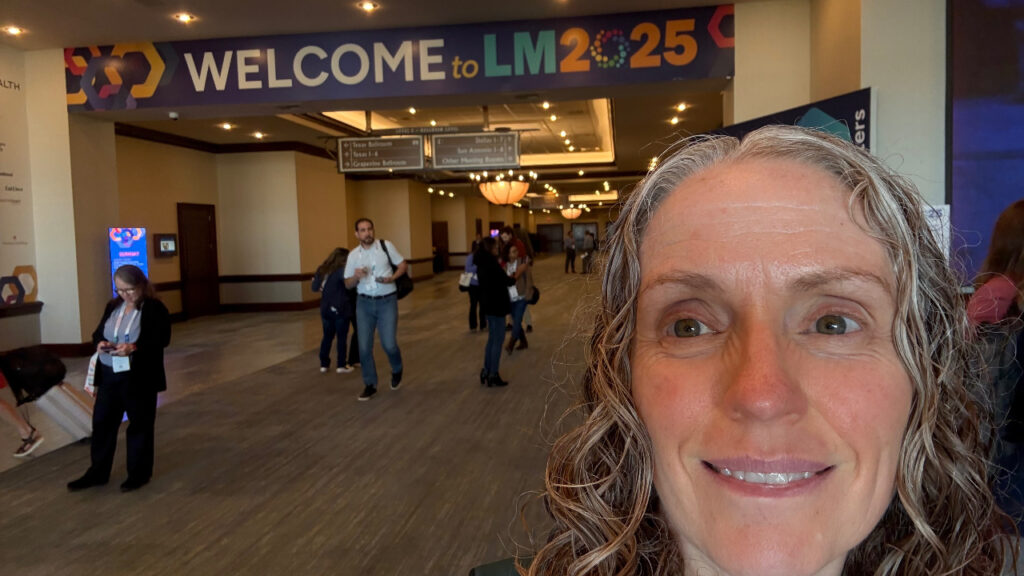
In honor of being at LM2025 this week, I wanted to bring you practical, real-life lifestyle medicine wisdom you can start using right now for your own wellness. Lifestyle Medicine is built on one simple truth:Small, consistent habits create the biggest changes in how you feel. You don’t need a perfect plan.You don’t need to overhaul your entire life.You don’t need to “love” every healthy behavior. You just need to begin — gently, realistically, and one tiny step at a time. Here are some of the most helpful insights from this week that you can apply to your own daily routine. You Can’t Change Your Genes — But You Can Change Your Path Your genetics influence your health, but they do not control your destiny. Your daily choices — what you eat, how you move, how you sleep, how you manage stress — all influence whether certain genes stay quiet or become active. This means: This is one of the most hopeful messages in Lifestyle Medicine. Start With Food — It’s the Foundation A huge theme at LM2025:Food is the #1 place to begin if you want better health. Not restriction, not dieting — simply nourishing your body with foods that help it thrive. Try starting with: Even small changes in the way you cook and eat can shift your energy, focus, digestion, mood, and long-term health. You Don’t Have to Love the Habit for It to Help You This is one of the most freeing takeaways from the week: Healthy habits can help you even if you don’t enjoy them in the moment. Most people don’t love going to the gym.Or meal prepping.Or stretching. And that’s okay. You do these things because they support a life you want to live — one where you feel well, capable, and connected to your body. Consistency Beats Intensity Every Time Lifestyle Medicine isn’t about doing everything at once — it’s about choosing habits that you can actually sustain: Small choices build momentum, and momentum changes your health. Sleep: The Most Underrated Medicine If you want a powerful place to start, try this: Go to bed and wake up at the same time every day. Sleeping in on weekends creates a weekly “jet lag” that affects your hormones, mood, metabolism, and energy levels. Your body thrives on rhythm — consistency is healing. Shift Your Mindset With Dialectical Thinking One of the most transformative mindset tools is dialectical thinking — the belief that two things can be true at the same time: You can slip up and still be committed.You can have a tough week and still be moving forward.You can feel discouraged and keep going. This mindset prevents all-or-nothing thinking and makes long-term change possible. Your Emotional Health Shapes Your Physical Health Your physical and emotional wellness are deeply connected. When you feel supported, grounded, and connected, your body can: Your feelings matter — they are part of your physiology. Movement Doesn’t Have to Be Complicated Movement can be simple, joyful, and gentle: Any movement counts — it all supports your heart, brain, digestion, and mood. Inspiring Research: Lifestyle & Alzheimer’s One of the most powerful moments of LM2025 was hearing Dr. Dean Ornish share data from a new randomized controlled trial showing very promising results for reversing Alzheimer’s disease with lifestyle changes. Yes — reversing. This is the future of medicine: daily habits that profoundly influence long-term brain health. Begin With One Tiny Step The biggest message of Lifestyle Medicine is simple: You don’t need to change everything — you just need to start. Small steps build confidence.Confidence builds momentum.And momentum builds long-term wellness. Ready to Feel Better? Let’s Take Your Next Tiny Step Together. If you’re wanting support with your energy, hormones, mood, digestion, inflammation, or overall wellness, I’d love to work with you. Together we’ll create a simple, sustainable plan based on Lifestyle Medicine — one that meets you exactly where you are. Reach out anytime. I’m here to help you feel your best.
The Power of the First Tiny Step

Growing your own integrative practice doesn’t happen through one giant, dramatic leap. It happens through small, intentional actions taken consistently over time. When NPs imagine “starting a practice,” they often picture a mountain of complicated decisions—branding, legal structure, EMR setup, website design, financial systems, and marketing. It’s no wonder people freeze. But here’s the truth: most successful practices begin with one simple decision, not a master plan. In practice building, momentum always beats perfection. The smallest step you take today will carry far more weight than the immaculate plan you never implement. Why Tiny Steps Matter More Than Big Ones Tiny steps lower the stakes. They pull your goals out of the abstract and into the real world, where progress becomes tangible. When something feels doable, you actually do it—and every action builds confidence. Confidence builds clarity. And clarity builds direction. This is how real practices take shape: through doing, adjusting, and learning—not waiting for the perfect moment. You don’t need to be “ready.”You become ready by moving. The Myth of the Perfect Starting Point Many NPs wait for the ideal time, more training, more clarity, or a flawless plan. But waiting doesn’t create traction—movement does. Your website doesn’t need to be perfect before you take patients.Your EMR doesn’t need to be final before you register your business.Your niche doesn’t need to be precise before you open your doors. Talk to any seasoned practice owner—they figured out most of it after they started. Examples of First Tiny Steps Here are small, manageable actions that can spark real momentum: None of these steps make or break a practice—but each one builds movement. And momentum is everything. Tiny Steps Create Identity Shifts Each tiny step says: I am doing this.I am building something.I am becoming the provider I’m meant to be. Even if the action feels small, the internal shift is enormous. Action moves you out of overwhelm and into creation. It turns doubt into direction. Ready to Grow Your Practice—One Step at a Time? If this message resonates and you want support, guidance, and a mentor who’s been exactly where you are, I’d love to work with you. Reach out anytime, and let’s take the next tiny step together.
Curiosity Over Judgment

When it comes to healing—physically, emotionally, or spiritually—one of the biggest shifts we can make is to replace judgment with curiosity. Most of us have been trained since childhood to critique, compare, and evaluate ourselves constantly. We label our choices as good or bad, our emotions as right or wrong, and our progress as success or failure. This judgment loop keeps us stuck in shame and frustration, even when we’re trying to grow. But what if we changed the lens entirely? What if, instead of judging ourselves, we simply got curious? The Power of “Interesting…” In The Flourish Way™, curiosity is one of the most powerful tools we use. When you notice an uncomfortable thought, emotion, or behavior, rather than reacting with self-criticism, try saying: “Huh. That’s interesting. I wonder what that’s about?” This simple phrase opens the door to understanding rather than shutting it with shame. Curiosity turns judgment into exploration—it invites you to look beneath the surface and find the why behind your patterns. Maybe you reach for sugar when you’re tired. Maybe you shut down during conflict. Maybe your body tenses every time you talk about money. Instead of beating yourself up, pause and ask: What might this be trying to tell me? What am I needing right now? Judgment Keeps You Stuck — Curiosity Moves You Forward Judgment is static. It freezes growth because it creates fear. When we judge ourselves, we’re less likely to be honest about what we’re truly feeling or needing. Curiosity, on the other hand, is movement. It’s soft, open, and grounded in compassion. It says, “There’s something here for me to learn.” That shift from punishment to presence changes everything. In my years of integrative medicine and coaching, I’ve seen countless moments where a curious mindset transformed a patient’s healing journey. The moment someone says, “Oh, that’s interesting,” instead of “I messed up again,” the energy in the room changes. The nervous system relaxes. The body feels safe enough to heal. Practice Curiosity Daily You can begin this practice right now: Healing doesn’t happen through perfection—it happens through awareness. Curiosity allows you to meet yourself where you are, and that’s where real transformation begins. The Invitation Next time your inner critic shows up, take a breath and try curiosity instead. You might be amazed at how quickly compassion replaces pressure, and how much easier healing becomes when you’re not fighting yourself. Remember: you don’t need to be perfect to flourish—you just need to be present, kind, and curious. Explore my site to learn more about my offerings, programs, and coaching support. If this message resonates, reach out — I’d love to work with you.
Lifestyle Medicine: The Future of Whole-Person Care for NPs

Nurse Practitioners have always stood at the crossroads of science and compassion. We listen, teach, and guide people toward healthier lives. But as rates of chronic disease continue to climb, many of us are searching for a more effective, sustainable way to help patients heal — one that focuses on prevention, root causes, and long-term transformation rather than symptom management. That’s exactly where Lifestyle Medicine comes in. It’s an evidence-based approach that uses daily habits and behaviors as the primary form of treatment. Instead of simply managing disease, it helps patients restore balance by addressing the factors that created illness in the first place — things like nutrition, activity, stress, sleep, and connection. Lifestyle Medicine is built around six foundational pillars that together support physical, emotional, and mental wellbeing. These pillars are the framework for both prevention and recovery, and they’re what make this approach so adaptable for NPs across all settings. The Six Pillars of Lifestyle Medicine Together, these pillars create a foundation that not only prevents illness but helps patients reclaim vitality and balance at every stage of life. Why It Matters for Nurse Practitioners The majority of conditions we see in primary care are lifestyle-related — diabetes, hypertension, anxiety, fatigue, depression, obesity. Medications help, but they rarely address the root. Lifestyle Medicine gives us the framework to dig deeper, using what we already know about behavior, motivation, and healing to create real, measurable change. Nurse Practitioners are uniquely equipped for this work. Our holistic training and patient-centered mindset naturally align with Lifestyle Medicine. We have the ability to meet patients where they are, provide education that empowers, and guide them toward lasting transformation. For NPs already drawn to integrative or functional approaches, Lifestyle Medicine adds structure and evidence to the intuitive, whole-person care you’re already offering. It’s the perfect blend of clinical rigor and compassionate connection. Bringing It Into Practice Integrating Lifestyle Medicine doesn’t require a full redesign of your practice — it starts with small shifts. Ask different questions: How are you sleeping? What brings you joy? What does movement look like in your day? These conversations reveal the root causes behind lab results and symptoms. From there, work with patients to create small, realistic goals: adding an evening walk, reducing processed food, setting a bedtime routine, practicing mindful breathing. The goal isn’t perfection — it’s progress. Over time, these small, consistent steps lead to profound results. Some NPs create dedicated Lifestyle Medicine programs or group visits, while others simply weave these principles into their daily practice. Either way, this approach deepens patient relationships, increases engagement, and reignites meaning in your work. How It Aligns with Integrative Medicine Lifestyle Medicine and Integrative Medicine share a common philosophy: treat the whole person, not just the diagnosis. Integrative care brings together both conventional and complementary modalities — nutrition, bodywork, energy medicine, and mind-body practices — while Lifestyle Medicine provides a strong evidence-based framework grounded in prevention and behavior change. Together, they form a complete model of care. Integrative Medicine honors the art of healing; Lifestyle Medicine anchors it in measurable, sustainable action. For NPs, this pairing allows us to bridge science and soul — creating care that’s as personal as it is powerful. A Path Forward Embracing Lifestyle Medicine allows Nurse Practitioners to return to the heart of why we entered this profession: to heal, to educate, and to empower. It’s a way to practice medicine that restores purpose, reignites curiosity, and transforms outcomes — for both the patient and the provider. This field is growing quickly, with new opportunities for certification, training, and collaboration. But you don’t have to wait to start — every conversation you have with a patient can be an entry point into this model of care. When we treat lifestyle as medicine, we create a healthcare experience that’s proactive, compassionate, and deeply human. It’s not about adding more to your plate — it’s about returning to what matters most. Ready to Bring Lifestyle Medicine into Your Practice? If you’re a Nurse Practitioner who’s ready to integrate Lifestyle Medicine and holistic care into your work — or you want guidance on how to design a practice that truly reflects your values — I’d love to support you. Visit jenowen.co to learn more about my coaching and mentorship programs for NPs and integrative providers, and start building the kind of practice that helps both you and your patients flourish.
The Flourish Way™
Health isn’t just the absence of disease—it’s the art of living fully. It’s the energy you wake up with, the calm you bring to challenges, and the sense of alignment that comes when your body, mind, and spirit are working in harmony. After more than 30 years in integrative and functional medicine, I’ve learned that real healing rarely starts with a supplement, a diet, or a protocol. It begins when we pause long enough to ask the deeper questions—Why do I feel this way? What’s my body trying to tell me? What needs attention beneath the surface? That’s where The Flourish Way™ was born. A Framework for True Healing The Flourish Way™ is the foundation of how I work with patients and clients—an approach that treats the whole person, not just their symptoms. It’s built around seven key pillars of holistic living: Physical, mental, emotional, spiritual, social, sexual, and financial well-being. Each pillar represents a vital part of who you are. When one of them is neglected or overwhelmed, it can ripple into the others—impacting everything from your energy and mood to your digestion and relationships. Healing, then, isn’t just about your labs or your diet. It’s about bringing all seven pillars back into balance so you can truly thrive. The Three-Part Process At its core, The Flourish Way™ follows a simple but powerful three-part process: Unwind & Unlearn — The first step is letting go of the layers that don’t belong to you. This means releasing limiting beliefs, stress patterns, and habits that have been clouding your vitality. So many of us carry emotional and energetic “stuff” that has built up for years. When we unwind those layers, we create space for something better. Restore & Replenish — Once the old is cleared, it’s time to nourish. In this phase, we focus on restoring your body, mind, and spirit with what they truly need—nutrient-rich food, rest, boundaries, connection, and joy. You can’t pour from an empty cup, and this phase is all about filling yours again. Expand & Emerge — This is the part where you rise. As your energy returns and your purpose becomes clearer, you begin to live in alignment with who you really are. You’re not just managing symptoms anymore—you’re flourishing. Healing Beyond the Physical One of the greatest lessons I’ve learned is that most “physical” symptoms have deeper roots. Fatigue, anxiety, digestive issues, and hormone imbalances often trace back to emotional stress, energetic blockages, or unmet needs. That’s why The Flourish Way™ blends functional medicine with mindfulness, energy work, and nervous system regulation—addressing the physical and the unseen layers that shape our health. This approach also honors something modern medicine often overlooks: your intuition. Your body is constantly communicating with you. When you learn to listen with curiosity instead of judgment, healing begins to unfold naturally. A Return to Wholeness To flourish is to remember who you are beneath all the noise—to come home to yourself. It’s about discovering that healing isn’t a battle to be fought; it’s a relationship to be nurtured. When you begin living The Flourish Way™, you’ll notice subtle but profound shifts. You’ll start making choices from intuition rather than fear. You’ll feel more grounded, connected, and capable of navigating life’s changes with grace. Healing doesn’t have to be hard—it just has to be whole. If you’re curious about how this process can support your own healing journey, don’t hesitate to reach out. I’d love to help you begin your path to flourishing.