The Real Joy of Freedom: Creating a Practice That Fits Your Life

When I talk with nurse practitioners about opening their own practice, the word I hear most often is freedom.Freedom to practice in alignment with your values.Freedom to spend real time with patients.Freedom to create a schedule that honors both your work and your life. That vision isn’t just possible — it’s why I do what I do. Building your own practice isn’t about escaping something broken; it’s about creating something beautiful. It’s about choosing authenticity over obligation and designing a career that reflects who you truly are. Freedom Feels Like Alignment When you’re no longer working under someone else’s rules or metrics, you finally get to ask: What does success look like to me?Maybe it’s seeing fewer patients and offering deeper care.Maybe it’s blending functional medicine, coaching, or creative healing into your visits.Maybe it’s having Fridays off to recharge, hike, or be with your family. Freedom in practice means living and working in alignment with what matters most. It’s the space to breathe, to innovate, and to reconnect with the heart of why you became an NP in the first place. Freedom Opens the Door to Creativity Owning your own practice invites you to think differently. You start asking new questions:– What if healthcare could feel more personal?– What if patient visits felt calm, connected, and human again?– What if you could build a business that gives you energy instead of draining it? When you have the freedom to explore, creativity flows naturally. You can build programs that light you up, design services that reflect your strengths, and attract patients who truly value what you offer. It’s a whole new way of practicing — one that’s led by inspiration instead of obligation. Freedom Creates Space for Balance One of the greatest gifts of private practice is the ability to create balance. You decide how much you work, when you rest, and how to structure your days. You can take a midday walk, eat lunch without rushing, or schedule your week around what supports your well-being. This isn’t indulgence — it’s sustainability. When you thrive, your patients do too. Freedom gives you the flexibility to design a practice that supports your energy, your family, and your future — not one that demands all of it. Freedom Is Fulfillment The truth is, freedom isn’t just about autonomy — it’s about joy.It’s the joy of working in alignment with your purpose.The joy of seeing patients flourish through the care you designed.The joy of waking up on a Monday morning feeling inspired instead of depleted. Owning your own practice is an act of creativity, courage, and self-trust. And when you build it with intention, it becomes so much more than a business — it becomes a reflection of your calling. If you’ve been dreaming of creating a practice that gives you both freedom and fulfillment, I’d love to help you take that next step.
The Real Joy of Freedom: Creating a Practice That Fits Your Life

When I talk with nurse practitioners about opening their own practice, the word I hear most often is freedom.Freedom to practice in alignment with your values.Freedom to spend real time with patients.Freedom to create a schedule that honors both your work and your life. That vision isn’t just possible — it’s why I do what I do. Building your own practice isn’t about escaping something broken; it’s about creating something beautiful. It’s about choosing authenticity over obligation and designing a career that reflects who you truly are. Freedom Feels Like Alignment When you’re no longer working under someone else’s rules or metrics, you finally get to ask: What does success look like to me?Maybe it’s seeing fewer patients and offering deeper care.Maybe it’s blending functional medicine, coaching, or creative healing into your visits.Maybe it’s having Fridays off to recharge, hike, or be with your family. Freedom in practice means living and working in alignment with what matters most. It’s the space to breathe, to innovate, and to reconnect with the heart of why you became an NP in the first place. Freedom Opens the Door to Creativity Owning your own practice invites you to think differently. You start asking new questions:– What if healthcare could feel more personal?– What if patient visits felt calm, connected, and human again?– What if you could build a business that gives you energy instead of draining it? When you have the freedom to explore, creativity flows naturally. You can build programs that light you up, design services that reflect your strengths, and attract patients who truly value what you offer. It’s a whole new way of practicing — one that’s led by inspiration instead of obligation. Freedom Creates Space for Balance One of the greatest gifts of private practice is the ability to create balance. You decide how much you work, when you rest, and how to structure your days. You can take a midday walk, eat lunch without rushing, or schedule your week around what supports your well-being. This isn’t indulgence — it’s sustainability. When you thrive, your patients do too. Freedom gives you the flexibility to design a practice that supports your energy, your family, and your future — not one that demands all of it. Freedom Is Fulfillment The truth is, freedom isn’t just about autonomy — it’s about joy.It’s the joy of working in alignment with your purpose.The joy of seeing patients flourish through the care you designed.The joy of waking up on a Monday morning feeling inspired instead of depleted. Owning your own practice is an act of creativity, courage, and self-trust. And when you build it with intention, it becomes so much more than a business — it becomes a reflection of your calling. If you’ve been dreaming of creating a practice that gives you both freedom and fulfillment, I’d love to help you take that next step.
Listening to Your Body: The Foundation of True Wellness
We live in a world that praises productivity over presence. We’re taught to push through, power on, and treat discomfort as something to fix or silence—whether it’s a headache, bloating, or exhaustion. But your body isn’t your enemy. It’s a messenger. Every signal, sensation, and symptom is your body’s way of communicating what it needs from you. When you learn to listen, you begin to unlock a deeper, more intuitive connection to your own healing. Your Body Speaks in Sensations For many people, the first step toward wellness is changing what they eat, how they move, or what supplements they take. Those things matter—but the deeper work begins with awareness. What if instead of seeing symptoms as problems, you saw them as invitations? A craving for sugar might not just mean you need food—it could mean you need comfort. A stiff neck could be your body’s way of saying you’ve been carrying too much responsibility. Digestive upset could be your gut reacting to emotional tension as much as physical food. The mind and body are never separate, and your body often tells the truth long before your words do. The Root Beneath the Symptom This truth sits at the heart of The Flourish Way™: the idea that most physical symptoms are late manifestations of mental, emotional, or spiritual imbalance. Jen Owen, NP, has seen this pattern again and again in her patients. When people begin listening—really listening—to what their body is trying to say, healing happens naturally. They stop chasing every symptom and start addressing the energy beneath it. As Jen teaches, “Your body will tell you almost everything you need to know—and it’s been telling you, but you’ve been ignoring it.” Start by Slowing Down So how do you begin to listen? Start by slowing down. Notice what sensations arise when you feel stressed or sad. Where do you feel it in your body? Is it heaviness in your chest, a knot in your stomach, a flush of heat in your face? Bring gentle curiosity to that feeling—without judgment or the need to make it go away. Then ask, What are you trying to tell me? The more you practice this, the easier it becomes to understand your body’s language. Daily Rituals for Connection You can use simple rituals to help you tune in. Before eating, take three slow breaths and ask your body what it’s truly hungry for. Before bed, scan your body from head to toe, noticing what feels tense or tender. During stress, instead of numbing out, place a hand over your heart or belly and breathe deeply until you feel grounded again. Over time, these small moments of awareness help you build trust—between you and your body, between what you think you need and what you actually need. Healing Through Partnership Listening to your body is not a quick fix. It’s a lifelong relationship built on patience, honesty, and compassion. But when you honor what your body is trying to tell you—when you give it rest instead of resistance, nourishment instead of neglect—you create the foundation for true wellness. Healing doesn’t always come from doing more. Often, it begins the moment you pause, listen, and finally hear yourself.
Building the Mindset of an Entrepreneur
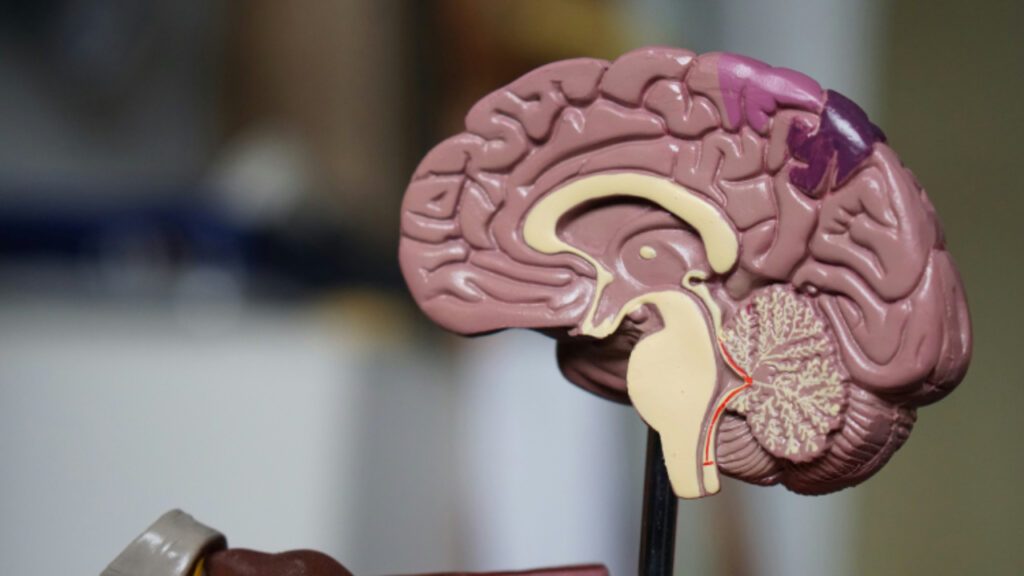
When I first stepped into private practice, I thought the biggest challenges would be logistical — setting up systems, finding patients, keeping up with charting. What I didn’t realize was that the hardest (and most transformative) part would be internal: learning to think like an entrepreneur. No one teaches you that in NP school. We’re trained to follow evidence, protocols, and structure. But once you open your own practice, there’s no supervisor to sign off on your plan. You are the plan. The rules are the ones you create — and that shift can feel both terrifying and liberating. Over time, I learned that success in private practice isn’t just about clinical skill or marketing strategy. It’s about mindset. When you start thinking like a business owner, everything changes — your confidence, your boundaries, your decision-making, and ultimately, your results. Here are a few of the mindset shifts that changed everything for me — and for many of the NPs I mentor. 1. From Employee to Visionary As a clinician, you’re used to operating within a system someone else built. You follow procedures, meet expectations, and often carry the weight of decisions made by others. But as an entrepreneur, you are the system. You get to decide what healthcare looks like inside your practice — what you’ll offer, who you’ll serve, how you’ll show up. That means your creativity and clarity matter as much as your credentials. You’re no longer “just” providing care; you’re shaping an experience. And that’s incredibly empowering once you let yourself step into it. 2. From Perfectionism to Progress Perfectionism feels safe — but it’s also paralyzing. I’ve seen so many NPs wait until they feel 100% ready before launching or growing their practice. But entrepreneurship doesn’t reward waiting. It rewards momentum. The truth is, you learn by doing. Every imperfect action teaches you more than another month of planning ever could. Instead of asking, “Is this perfect?” ask, “Does this move me forward?” That’s the question that gets you unstuck. 3. From Self-Doubt to Self-Trust When you leave an established system, it’s natural to feel uncertain. There’s no HR department, no medical director, no one telling you if you’re “doing it right.” But this is where the real growth happens — when you start listening to your own intuition. You know more than you think you do. You’ve spent years developing clinical instincts, empathy, and wisdom — and all of that applies to business, too. The more you practice self-trust, the more ease you’ll feel in every decision, from setting your rates to turning away misaligned patients. 4. From Hustle to Alignment Entrepreneurship doesn’t have to mean burnout. You didn’t leave one broken system just to recreate it under your own name. Your practice should serve you as much as it serves your patients. That means building in rest, clarity, and intention — creating a business that reflects your values, your energy, and your life. True success isn’t just about full books or big numbers. It’s about waking up excited to do the work you’ve built for yourself. The Mindset Behind the Mission Every thriving NP practice I’ve seen has one thing in common: an owner who believes in their own vision. Skills can be learned, systems can be built, but mindset is the foundation everything else rests on. If you’re feeling that pull — to step fully into your role as both healer and entrepreneur — you’re not alone. You’re standing at the edge of something incredible. Ready to grow your confidence, structure, and mindset as a practice owner?I’d love to help you make the leap with clarity and support through one-on-one mentorship or group coaching. Let’s build a practice that truly lets you flourish.
Why Healing Starts with Letting Go

So often when we’re searching for healing, we think the answer lies in doing more — taking another supplement, reading another book, adding another self-care routine. But in my experience, healing rarely begins with doing. It begins with letting go. Letting go means releasing the beliefs, expectations, and emotional weight that have been keeping you from feeling like yourself. Before we can restore and replenish our energy, we have to unwind the layers of tension, guilt, and self-pressure that block our natural flow. This is the first phase of The FLOURISH Way™ — Unwind & Unlearn — and it’s where transformation truly begins. Unwinding What No Longer Serves You Throughout our lives, we collect so many things that don’t belong to us — other people’s opinions, family expectations, cultural “shoulds,” even patterns we once needed to stay safe. Over time, these become heavy layers that cloud our ability to hear our own truth. Unwinding is the process of noticing what’s no longer yours to carry and allowing it to leave your body and mind. That might mean releasing resentment, perfectionism, or an old coping mechanism that once helped but now keeps you stuck. Letting go doesn’t mean pretending the past didn’t happen. It means acknowledging it, honoring what it taught you, and creating space for something new to grow. The Body’s Language of Release Your body is always communicating with you — through energy, through sensation, through emotion. When we don’t listen, those signals often become louder and show up as physical symptoms: tension, fatigue, headaches, digestive issues, or insomnia. In my work, I’ve found that many of these symptoms are messages from deeper emotional or spiritual places. When we listen — instead of trying to silence or fix them — our bodies begin to relax and heal naturally. Letting go might look like unclenching your jaw, taking three slow breaths before reacting, or simply giving yourself permission to rest. Each small act of release tells your body, “I’m safe now.” Curiosity Over Judgment One of the most powerful tools for healing is curiosity. When we meet our pain or our patterns with curiosity instead of judgment, we open a door. Instead of asking, “Why can’t I get over this?” try asking, “What might this be trying to show me?”Instead of scolding yourself for returning to old habits, ask, “What need was this meeting for me?” Curiosity softens resistance and invites compassion. It helps you see that even the parts of yourself you want to change were doing their best to protect you. When you understand that, real release becomes possible. Creating Space for Renewal Once we let go of what’s weighing us down, we create space to restore and replenish — the next phase of The FLOURISH Way™. Healing isn’t just about removing pain; it’s about filling that new space with nourishment, joy, and connection. Like a garden, the body needs clearing before it can grow. When we release the old, our energy can finally flow toward renewal. Simple Ways to Begin Letting Go If you’re ready to begin, start small: – Breathe deeply. Each exhale helps the body release tension and invites calm.– Move gently. Walk, stretch, dance — movement helps stagnant energy flow again.– Write it out. Journaling transforms rumination into understanding.– Practice forgiveness. Try saying: “I love you, I’m sorry, please forgive me, I forgive myself, thank you.”– Connect with nature. Let the earth remind you how to ground and release. Each small act of letting go is a signal to your body that you are safe, supported, and ready to heal. Coming Home to Yourself Healing isn’t about becoming someone new. It’s about returning to who you’ve always been underneath the layers. When we release the expectations, fears, and old beliefs that don’t serve us, we make room for peace, vitality, and purpose to return. The real you has always been there — she’s simply waiting to breathe again. If this message resonates with you, I’d love to support you on your healing journey. Reach out to work with me at theflourishcenter.co , and sign up for my newsletter at the bottom of the page to receive more insights and inspiration from The FLOURISH Way™.
Integrative Medicine Isn’t “Woo”—It’s the Future

For years, the phrase integrative medicine has been met with skepticism — as if it meant trading in science for sage sticks. But those of us practicing on the front lines of healthcare know the truth: integrative medicine is not a fringe idea. It’s a necessary evolution in how we understand and deliver care. The days of separating “body” and “mind,” or “medicine” and “lifestyle,” are numbered — because the research, the outcomes, and the patient demand all point in the same direction. What Integrative Medicine Actually Is Integrative medicine is not alternative medicine. It’s a framework that integrates evidence-based conventional medicine with complementary approaches that address the physical, emotional, and energetic roots of disease.It’s what happens when we ask, “What is this symptom trying to communicate?” instead of just, “How do I make it go away?” An integrative approach might mean prescribing a blood pressure medication and addressing the patient’s chronic stress response. It might mean balancing thyroid function with medication and optimizing nutrient intake, gut health, and sleep patterns. It means looking at the interconnected web of biology, lifestyle, trauma, and belief — because they all influence health outcomes. The World Health Organization, the NIH, and major medical centers (like Mayo Clinic and Cleveland Clinic) now recognize the legitimacy and impact of integrative approaches. We’re no longer talking about incense and intuition — we’re talking about nervous system regulation, inflammation pathways, microbiome science, and functional nutrition. The Science Behind “Whole-Person” Medicine What once seemed “alternative” is now supported by an ever-growing body of research. Integrative medicine brings these evidence-based modalities into daily practice — not to replace pharmaceuticals, but to complement them and make them more effective. Why Nurse Practitioners Are Uniquely Suited to Lead This Shift Nurse Practitioners are already trained to see patients through a holistic lens. We listen deeply, educate constantly, and care beyond the chart. That’s the essence of integrative medicine — connection, curiosity, and compassion backed by science. We are not technicians of disease; we are facilitators of healing.And that shift in identity — from “fixing” to facilitating — is one of the most powerful ways NPs can change healthcare. As integrative leaders, we can: This is not about abandoning what we learned in school; it’s about expanding it. Integrative Medicine Is the Future — and It Needs You Patients are hungry for this kind of care. They’re tired of being told that everything looks “normal” when they still feel unwell. They’re searching for practitioners who can explain why things are happening and who will work with them, not just on them. That’s where you come in.You have the opportunity to bridge the best of both worlds — to use your training, intuition, and compassion to guide people toward true, lasting health. Integrative medicine isn’t just the future; it’s the return to what medicine was always meant to be: human, whole, and healing. So the next time someone calls integrative medicine “woo,” smile — because you’ll know it’s actually the most grounded, evidence-supported approach we have. The science is catching up to what your intuition already knows: when we treat the whole person, we heal in ways that last. If you’d like to work with me — whether you’re building confidence as a new NP, exploring integrative practice, or starting your own business — don’t hesitate to reach out. I’d love to support you on your journey.
Planting Seeds of Intention: The Art of Flourishing from Within
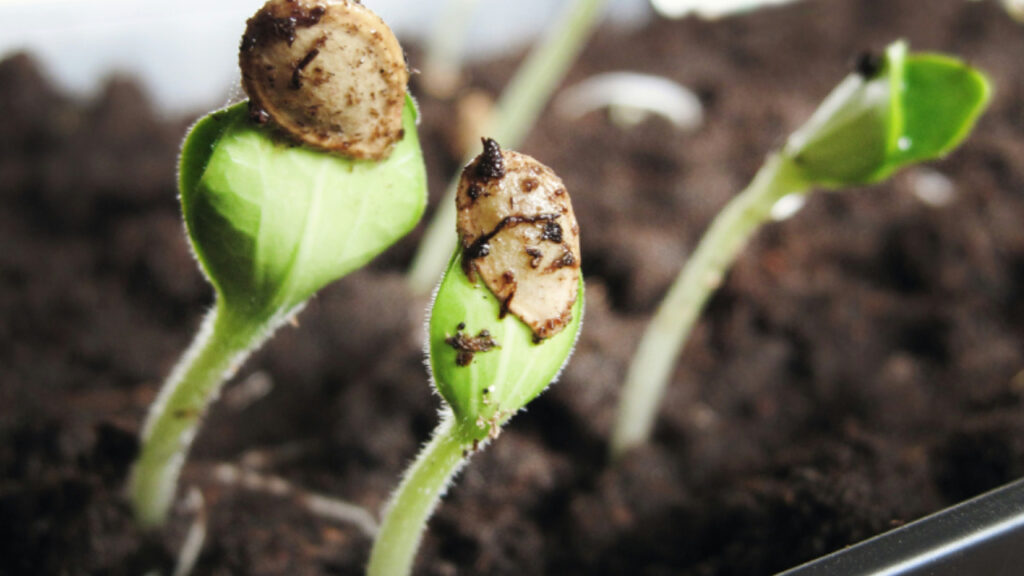
We often think of change as something that happens from the outside—new routines, new diets, new habits. But real, sustainable transformation begins deep within. It begins with a seed. In The FLOURISH Way™, we talk about the power of planting intentions inside your own energetic soil—the pelvic bowl. This is not just symbolic; it’s a practice of aligning your body’s wisdom with your soul’s deepest desires. Each of us carries a creative center, the part of us that receives, nurtures, and ultimately gives life to new ideas, dreams, and expressions of who we are. Just as the uterus receives and releases, our energetic bowl holds the potential to receive and release as well—whether or not we have a physical uterus. When we intentionally “plant seeds” here, we’re signaling to the body and universe that we’re ready to grow something new. Why Intentions Work Better Than Resolutions Resolutions tend to come from the mind: “I should lose weight.” “I should meditate every day.” But intentions grow from the heart. They’re softer, more fluid, and far more sustainable because they honor your inner rhythms rather than forcing change from the outside in. Intentions are rooted in how you want to feel, not what you think you should accomplish. Instead of “I want to exercise more,” try “I intend to feel strong, flexible, and grounded in my body.” That energy invites possibility rather than pressure. When you plant intentions with emotional truth and embodied awareness, they take root naturally. You’ll find yourself making aligned choices without needing to “force” them—just as a seed doesn’t have to force itself to grow. A Ritual for Planting Your Seeds Find a quiet space where you won’t be interrupted. Take a few slow, grounding breaths and bring your awareness to the center of your pelvis. Imagine your pelvic bowl as a fertile garden of rich, warm soil. This is the energetic space that holds your creativity, safety, and power. Now, gently place your hands over this area and ask yourself: “What am I ready to cultivate?”“What qualities, experiences, or feelings do I want to grow in my life?” Let one or two clear intentions arise—don’t overthink them. Perhaps it’s ease, trust, vitality, or abundance. Visualize planting these seeds along the lining of your inner bowl, tucking them in with love. See them glowing softly, nourished by your breath and warmth. You might even whisper, “I am sacred. I am blessed,” the blessing from The FLOURISH Way™ meditations, sealing your intentions in gratitude and reverence. Nurturing What You’ve Planted Seeds don’t bloom overnight. They need warmth, light, and patience. Your role is to tend the garden—not to dig up the seeds every day to check if they’re growing. That means living in alignment with your intentions: acting, speaking, and thinking in ways that support them. If your intention is to feel calm, pause before saying yes to another obligation. If your intention is to feel vibrant, choose meals, movement, and rest that support your energy. Small, consistent nurturing—paired with grace when you falter—is what helps your intentions take root. As you continue this practice, notice what starts to shift. You might see new opportunities appear, relationships deepen, or old fears fall away. Like any living thing, your intentions evolve with you. Keep revisiting your garden, planting new seeds as you grow and harvesting the wisdom of what’s ready to bloom. The Beauty of the Bloom Planting seeds of intention is both mystical and practical. It bridges the body’s wisdom with the soul’s purpose and transforms wellness into a living, breathing process. When you plant from a place of grounded self-love, your life starts to flourish—not because you forced it, but because you remembered that growth is your natural state. So today, take a deep breath, put your hands over your belly, and plant one sacred seed for yourself. Water it with attention, patience, and kindness. Trust that it knows how to grow. If this message resonates with you, I invite you to explore my site to learn more about my offerings—from holistic care and pelvic bowl healing to integrative coaching and mentorship. Don’t hesitate to reach out if you feel called to work with me. I’d love to support you as you plant and nurture your own seeds of transformation.
Dear NP: You’ve Earned Your Confidence

f you’ve made it to this point—becoming or working as a Nurse Practitioner—you’ve already done some incredibly hard things. You’ve pushed through exhaustion, doubt, and long nights of studying. You’ve cared for people in their most vulnerable moments. And even when it felt like too much, you kept going. You’ve already proven, time and again, that you are capable. You Conquered Nursing School Nursing school demands more than intelligence—it requires heart, grit, and adaptability. You learned to manage endless reading, clinical rotations, exams, and emotional exhaustion, all while caring for others outside the classroom. You became fluent in balancing compassion with precision, intuition with evidence, and patience with urgency. Those are not small skills—they’re the foundation of what makes you an exceptional clinician. You Passed the NCLEX The NCLEX is one of the biggest hurdles in any nurse’s career. It tests not only your knowledge but your nerves. You studied through fatigue, battled test anxiety, and proved your ability to think critically under pressure. Passing that exam is more than a credential—it’s proof that you can show up, focus, and succeed even when the stakes are high. You Earned a Master’s (or Beyond) Graduate-level education asks even more of you. It means juggling coursework, clinical hours, family, work, and life—all while learning a completely new level of responsibility. You stepped into a leadership role in healthcare, expanding your clinical reasoning and deepening your capacity for care. Many people dream about doing something that meaningful; you actually did it. You’ve Cared for Countless Lives Through all of this, you’ve held hands, given hard news, advocated fiercely, and celebrated healing. You’ve shown up for patients when you were tired, under pressure, or unsure. Those quiet moments of compassion—where you did what needed to be done despite the weight of it all—speak louder about your capability than any title ever could. When Your Mind Plays Tricks on You Still, even with all this proof, your mind can sometimes tell a different story. It whispers, “Who am I to do this?” or “I’m not ready.” That’s imposter syndrome, and it’s one of the most common experiences among high-achieving nurses and NPs. It shows up when you’re stepping into something new—like starting your own practice or taking your next big leap. Those thoughts aren’t truth; they’re a sign that you’re growing. You Are Capable of Anything I’m here to remind you of what you’ve already done—and of what’s still possible. You’ve navigated every challenge before, and you’ll do the same with whatever comes next. Whether your goal is to open your own practice, refine your systems, or simply find more balance, you already have the strength and skill to get there. As your mentor, my role is to help you remember that truth and keep your vision moving forward. You are capable of anything—and you’ve already proven it. Reach out to me if you’d like to work together—I’d love to help you stay connected to your capability and bring your vision to life.
Having It All, On Your Own Terms

Redefining What “All” Means For so many of us, the phrase “having it all” can trigger exhaustion before inspiration. We’ve been taught to associate it with juggling more—more responsibilities, more achievements, more comparison. But what if having it all wasn’t about accumulation, but alignment? What if it meant living in a way that feels deeply true to who you are? Each person’s version of fulfillment is uniquely personal. For one, it may mean simplifying life and finding peace in quiet routines. For another, it might mean creative expansion, financial abundance, or deeper spiritual connection. The key is remembering that your “all” doesn’t have to look like anyone else’s—and it can change over time. Many of us have spent years chasing an ideal that wasn’t really ours. We inherited expectations from family, culture, or the professional world, and only later realized they didn’t fit. “Having it all” begins when we release those external definitions and start listening inward. Wholeness Over Perfection Wholeness isn’t about achieving balance that never wavers—it’s about awareness. Some seasons of life will naturally demand more of one part of you and less of another. Instead of striving for a perfect balance, aim for responsiveness: noticing when one area of your life feels depleted and taking steps to gently restore it. In The FLOURISH Way™, we talk about thriving across seven domains of life—physical, mental, emotional, spiritual, sexual, social, and financial. But thriving doesn’t mean each area scores a perfect ten every day. It means recognizing that your needs in these areas are interconnected and worthy of attention. Listening to Your Own Definition of Success When was the last time you asked yourself what success truly feels like—not looks like, but feels like? So many of us measure progress through external markers: promotions, milestones, or productivity. But inner fulfillment often comes from subtler places—like waking up rested, having honest conversations, or feeling inspired by your own choices. Tuning into what feels nourishing is how we reclaim agency in our lives. This awareness allows us to design our days with intention, rather than living from obligation or autopilot. Permission to Evolve Your definition of “having it all” will likely evolve as you do. What once felt essential may fall away. What once seemed out of reach may become your new normal. This is a sign of growth, not inconsistency. Allow yourself to update your vision often—it’s not a failure to change your mind; it’s evidence that you’re paying attention. When we honor this evolution, we stop striving to arrive somewhere and start appreciating the process itself. Every adjustment, pause, and breakthrough becomes part of the journey toward a more authentic and fulfilling life. Flourishing on Your Terms “Having it all” isn’t about doing more—it’s about being more you. It’s the freedom that comes from aligning your actions with your values and your energy with your purpose. When you give yourself permission to define success from the inside out, you stop performing and start flourishing. The truth is, you already have everything you need to begin. The work isn’t about adding—it’s about remembering. If this message resonates with you, and you’re ready to explore what having it all looks like on your terms, reach out to work with Jen.
Fostering Resilience as an NP Entrepreneur
The Entrepreneurial Leap When you choose private practice, you’re choosing both healing and leadership. That means trading institutional guardrails for your own judgment, your own systems, your own voice. The variable that most reliably determines whether you’ll weather the turbulence isn’t a perfect spreadsheet or a flawless launch—it’s resilience: your capacity to adapt, recover, and grow through challenge. Psychologists define resilience as “the process and outcome of successfully adapting to difficult or challenging life experiences,” emphasizing mental, emotional, and behavioral flexibility you can strengthen over time—not a trait you either have or don’t. The Healthcare Reality The need for resilience is not abstract in healthcare. Burnout has remained elevated across the profession since 2020, and that’s the backdrop you’re stepping into as an owner: real pressure, real stakes, and therefore a real need for deliberate recovery and psychological skill-building embedded in your business model. For nurse practitioners specifically, the practice environment—autonomy without adequate support, panel demands, and hierarchical dynamics—can amplify strain. Burnout doesn’t just feel bad; it’s tied to lower job satisfaction, greater turnover intention, and downstream impacts on patient care. If you’re opening a practice, you’re not immune to these forces—you’re responsible for designing around them. What the Research Signals Here’s the empowering part: resilience is developable, and there’s strong evidence linking entrepreneurial “psychological capital”—the cluster of resilience, hope, efficacy, and optimism—to both well-being and performance. Studies of founders and care leaders show that higher psychological capital correlates with better adaptability, more sustainable motivation, and stronger innovation outcomes. In plain language: cultivating resilience isn’t just self-care; it’s strategy. It steadies your thinking under pressure, supports your team, and helps you pivot when reimbursement shifts, referral streams change, or a marketing experiment flops. Recovery as Infrastructure Recovery is practical, not indulgent. Evidence from organizational psychology and leadership research continues to show that planned recovery—sleep, movement, nature time, and periodic detachment from work—improves focus, creativity, and emotion regulation. You’ll make better clinical and business decisions when your nervous system isn’t chronically over-activated. Treat rest like operational infrastructure: as essential to output as your EHR or your revenue cycle workflows. Designing for Durability Resilience becomes your competitive advantage when it is intentionally designed into the way you practice. That can look like protecting white space on your calendar so you can think, course-correct, and maintain clinical presence; choosing a panel size and visit model that reflect your values; building mentorship and peer consultation into your month so you don’t shoulder complexity alone; and setting financial runways that absorb normal volatility without triggering panic decisions. These are business choices, but they are also resilience choices—each one expanding your capacity to meet uncertainty with clarity rather than reactivity. Boundaries Are Clinical Quality It’s worth naming that resilience is not the same as tolerating mistreatment or chronic overload. Data continue to highlight how workplace conditions—including inequities and harassment—drive burnout, particularly for women in medicine, and that addressing these factors meaningfully reduces risk. In your own practice, you have extraordinary agency: you can create a culture that prevents what harmed you elsewhere. Boundaries and fair policies aren’t “nice to have”; they’re part of the clinical quality equation because the clinician you are depends on the human you are. The Bottom Line Resilience is not a pep talk. It’s a set of evidence-supported capacities and design decisions that make your practice both humane and durable. Opening your own clinic will stretch you, and it will also give you room to align your work with your values. The more you invest in resilience—personally and structurally—the more you’ll notice something powerful: setbacks start to look like information, pivots feel less like failure and more like craft, and your patients receive care from a practitioner who is present, steady, and here for the long run. That’s good medicine—for them, and for you. If This Resonated If this message landed for you, I’d love to work together. Please browse my site to explore my mentorship offerings and sign up for my email newsletter so you won’t miss new resources, workshops, and practical tools for building a resilient, values-aligned NP practice.