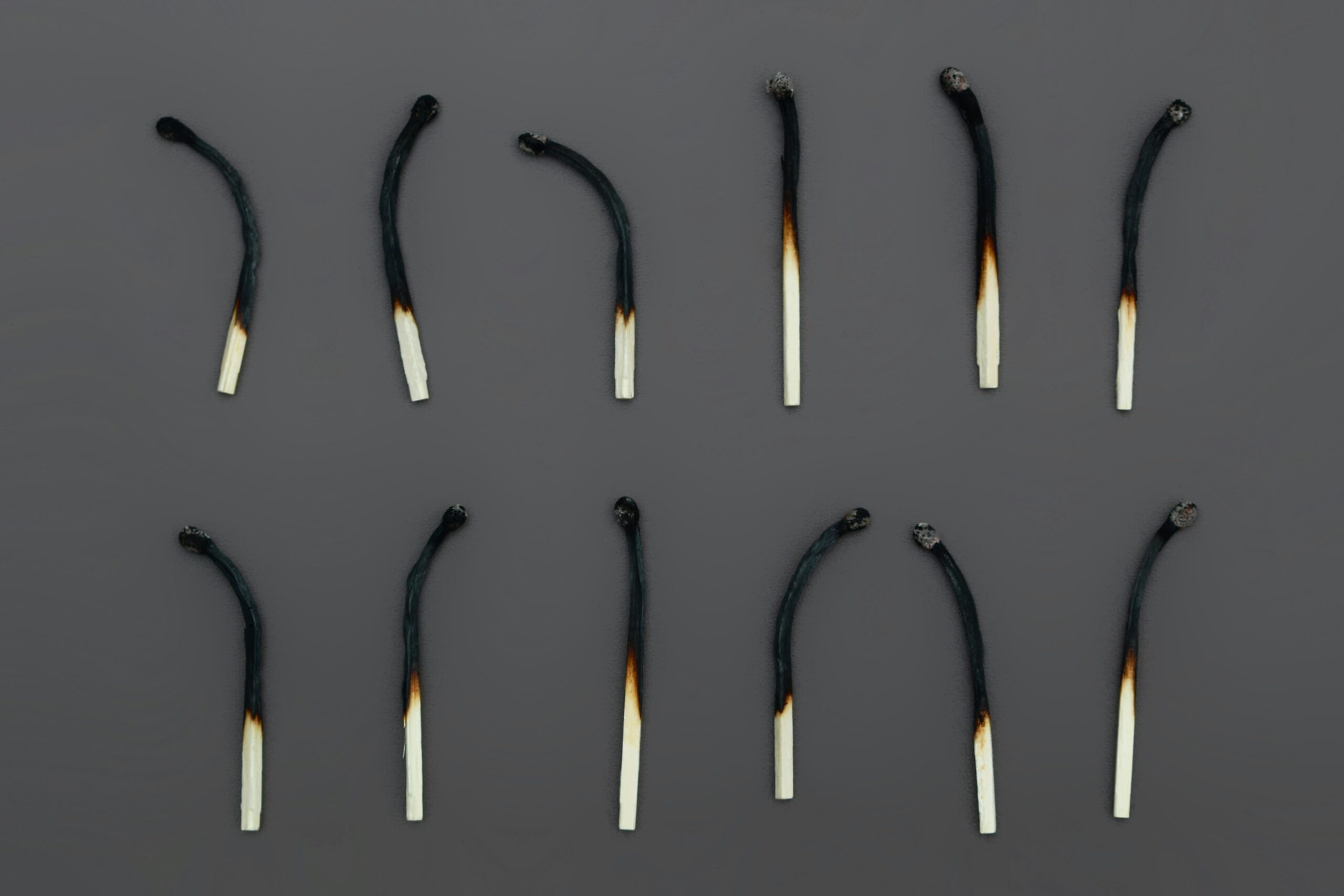
Burnout is something many nurse practitioners experience, but not everyone recognizes it right away. It does not always look dramatic. Sometimes it looks like feeling tired all the time, dreading your workday, losing patience more easily, or feeling disconnected from the work you used to care about. Sometimes it looks like going through the motions while feeling like you have very little left to give.
For many NPs, burnout builds slowly. The demands of patient care, charting, inbox management, administrative tasks, and emotional labor can pile up over time. Because so much of this is normalized in healthcare, it is easy to assume that feeling overwhelmed is just part of the job. But common does not mean healthy. And pushing through without addressing it usually makes things worse.
The good news is that burnout is not something you have to ignore until you hit a wall. There are ways to notice it earlier, respond sooner, and build a more sustainable career.
Recognize the Early Signs of Burnout
One of the most important things you can do is learn to recognize burnout before it becomes severe. Many nurse practitioners wait until they are completely depleted to admit something is wrong. By that point, recovery usually takes more time and more change.
Early signs of burnout can include emotional exhaustion, irritability, lack of motivation, brain fog, trouble sleeping, cynicism, or a sense that even small tasks feel heavier than they used to. You may notice that you feel less present with patients, more resentful of your workload, or less able to recover after a hard day.
These signs matter. They are not something to brush off or explain away forever. Burnout often begins when chronic stress goes unaddressed for too long.
Stop Treating Rest Like a Reward
One reason burnout is so common in healthcare is that many clinicians treat rest like something they have to earn. The problem is that in clinical work, there is always more to do. There is always another chart, another message, another refill, another patient, another responsibility.
If rest only happens when everything is done, it may never happen.
Protecting your energy has to be part of the plan now, not something you keep postponing. That includes sleep, time off, breaks during the day, nourishing meals, movement, and enough margin in your week to actually recover. Rest is not laziness. It is part of what allows you to keep practicing well over the long term.
Look Honestly at Your Workload
Sometimes burnout is discussed as if it can always be fixed with better self-care. But sometimes the real issue is that your workload is simply too heavy or your work environment is no longer sustainable.
If you are seeing too many patients in too little time, taking work home every night, drowning in documentation, or constantly feeling behind, that matters. If your schedule leaves no room to think, reset, or even eat lunch without multitasking, that matters too.
Preventing burnout often requires honesty. Is your current pace actually sustainable? Are expectations realistic? Are you being asked to carry more than one person should reasonably carry?
You cannot always change everything overnight, but you can start by naming what is not working. That clarity is often the beginning of change.
Set Better Boundaries Around Your Time and Energy
Nurse practitioners are often taught to be flexible, accommodating, and endlessly responsible. Those qualities can make you a compassionate clinician, but without boundaries, they can also make you vulnerable to burnout.
Boundaries may mean limiting after-hours work, being more realistic about what you can take on, protecting time for charting, or stopping the habit of saying yes to every extra ask. It may also mean being more intentional about what emotional weight you carry home with you.
Boundaries are not about caring less. They are about creating a version of your work that you can actually sustain. When everything is urgent and everything has access to you, burnout grows quickly.
Get Support Before You Are in Crisis
Burnout tends to get worse in isolation. When you are exhausted, it is easy to assume you just need to push harder or get better at coping. But many NPs need more support, not more self-judgment.
That support might come from a trusted colleague, mentor, therapist, supervisor, or professional community. Sometimes simply talking honestly about what is happening can help you feel less alone and more clear about what needs to change.
You do not need to wait until you are completely falling apart to reach out. In fact, it is much better to do it sooner.
Reconnect With What Makes Your Work Meaningful
Burnout is not only about working hard. It is also about losing connection with the parts of your work that feel meaningful. When your days become all pressure, all output, and no purpose, even a good career can start to feel empty.
It can help to ask yourself what still feels energizing in your role and what consistently drains you. Are there parts of your work that still feel aligned? Are there parts that no longer fit? Have you drifted too far from the kind of care you actually want to provide?
For some nurse practitioners, burnout prevention means making small changes. For others, it means making bigger ones. That could include changing settings, reducing hours, shifting your niche, exploring private practice, or finding a model of care that allows you to work in a way that feels more human and sustainable.
Give Yourself Permission to Rethink the Way You Work
This is an important part of the conversation. Sometimes burnout is not a sign that you chose the wrong profession. It is a sign that the way you are currently working is not working for you anymore.
That is not failure. That is information.
There is no prize for staying in a role that is draining the life out of you just because it looks stable from the outside. Nurse practitioners deserve careers that support their well-being too. And sometimes preventing burnout means being willing to question old assumptions about what your career is supposed to look like.
Preventing Burnout Starts Earlier Than Most People Think
Burnout prevention is not something you start after you have hit your breaking point. It starts much earlier, with paying attention to your own patterns and taking your exhaustion seriously.
Notice the warning signs. Protect your recovery. Set stronger boundaries. Get support. Take an honest look at your workload. And give yourself permission to make changes when your current reality is no longer sustainable.
If you are feeling burned out as a nurse practitioner and know something needs to change, support can make a big difference. You do not have to keep trying to figure it all out on your own. Sometimes preventing burnout means building better boundaries in your current role, and sometimes it means creating a more sustainable path forward. Learn more about my Business Mentorship for APRNs.