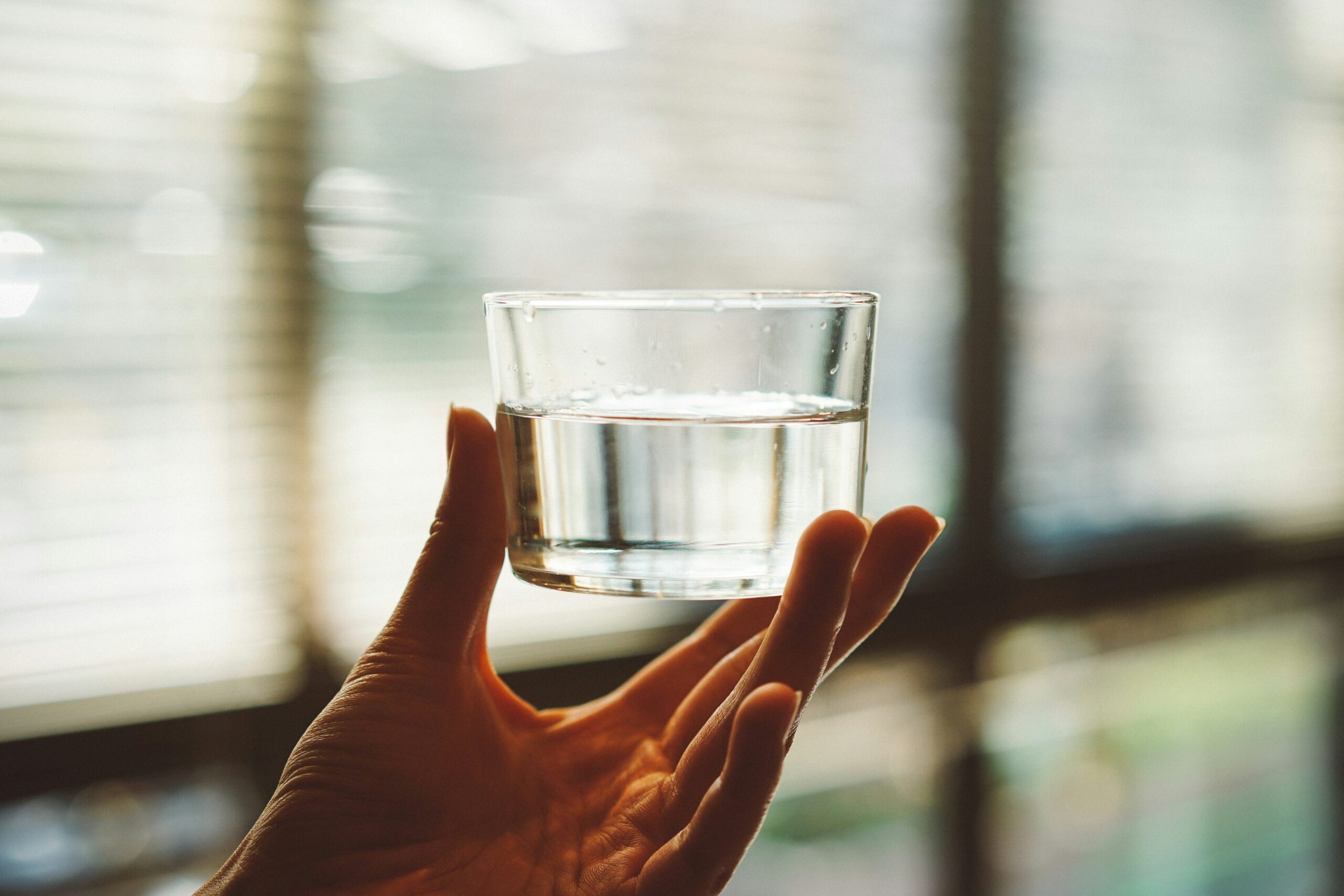
A grounded Lifestyle Medicine look at why hydration is essential, how to support it well, and where hydration products actually fit
Hydration is often talked about in one of two extremes.
On one end, it gets treated like something so basic it hardly deserves much thought. On the other, it gets turned into a full wellness industry category, packed with powders, sticks, salt blends, and “advanced hydration” promises that make plain water sound outdated.
Neither extreme is especially helpful.
Hydration is not trivial. It is foundational. It affects temperature regulation, circulation, digestion, physical performance, kidney function, energy, mental clarity, and overall resilience. When hydration is off, people often feel it quickly. Sometimes it shows up as thirst or dry mouth. Other times it looks more like fatigue, headaches, sluggishness, constipation, irritability, or just feeling less functional than usual.
From a Lifestyle Medicine perspective, hydration deserves real respect. It is one of the daily basics of health. At the same time, it does not need to be overcomplicated or driven by product marketing. A grounded approach makes room for both truths: hydration is deeply important, and many people can improve it without turning it into a supplement routine.
Why hydration is such a big deal
Water is not just one healthy habit among many. It is part of how the body functions moment to moment.
Hydration supports blood volume, helps move nutrients through the body, assists with waste removal, supports digestion, helps regulate body temperature, and plays a role in how well muscles and the brain perform. When fluid intake falls short, the body has to compensate, and that can affect energy, heat tolerance, mental clarity, and overall physical function.
This is why hydration should not be brushed off as a minor wellness tip. It is not just about athletic performance or surviving a hot day. It matters during ordinary life too. It matters when you are working, parenting, exercising, traveling, recovering from illness, or simply trying to feel your best from one day to the next.
Even mild underhydration can matter. It does not have to become severe before it starts affecting how you feel. Many people live in a pattern of being a little underhydrated much of the time and simply assume that low energy, headaches, poor exercise tolerance, or sluggish digestion are normal.
Hydration is simple in theory, but not always easy in real life
In theory, hydration is straightforward: drink enough fluids.
In real life, it is easy to fall behind.
People get busy. They rely heavily on coffee and forget water. They spend hours indoors without noticing thirst. They work out and do not replace what they lose. They eat fewer water-rich foods than they realize. They travel, drink alcohol, get sick, or spend more time in heat than usual and never really adjust.
This is where Lifestyle Medicine offers a helpful lens. It brings us back to patterns instead of quick fixes. Hydration is not just about remembering a water bottle. It is also shaped by your routines, meals, workday, movement, environment, and how attentive you are to your body’s needs.
What good hydration actually looks like
For most people, good hydration looks less like hitting a perfect number and more like building a strong pattern.
It means drinking regularly throughout the day instead of waiting until you feel depleted. It means increasing fluids when you are sweating more, spending time in heat, traveling, or recovering from illness. It means paying attention to thirst, urine color, energy, and physical cues rather than treating hydration like an afterthought.
It also means remembering that hydration does not come only from beverages. Food matters too. Fruits, vegetables, soups, smoothies, yogurt, and other water-rich foods can contribute meaningfully to hydration. This is one of the many reasons a minimally processed, plant-forward way of eating supports health on multiple levels at once.
That is a very Lifestyle Medicine point: the best support for hydration often overlaps with the same daily habits that support the rest of your health.
When hydration starts to slip
Many people do not immediately realize when hydration is falling short because the signs can be subtle at first.
Sometimes it is obvious, like strong thirst or dark urine. But often it is less dramatic. You may just feel more tired than usual, a little foggy, more headachy, more easily overheated, a bit off during exercise, or less steady in your energy and mood.
That does not mean every symptom points to hydration. But it does mean hydration is one of the first basics worth checking when the body is not feeling well-supported.
The problem with hydration hype
Because hydration is genuinely important, it is easy for marketing to build on that truth.
That is where things get distorted.
A real physiological need gets turned into the message that everyone needs a branded solution all the time. Water begins to sound inadequate. Electrolyte mixes are framed like daily essentials. Buzzwords like “cellular hydration” get used to make ordinary physiology sound more mysterious than it is.
The issue is not that hydration products are worthless. Some absolutely have a place. The issue is when an important health topic gets turned into confusion, fear, or unnecessary dependence on products that may not actually be needed for everyday life.
A better question is not, “Is this product healthy?” It is, “What is this product for, and does my situation actually call for it?”
A deeper look at hydration products
Electrolyte powders and packets
Electrolyte products can be useful, but they need context.
Electrolytes like sodium and potassium help regulate fluid balance, nerve function, and muscle function. Sodium becomes especially important when you are sweating heavily or losing fluids through illness. In those situations, replacing fluid alone may not always be enough.
But that does not mean everyone needs electrolyte powders every day.
Some hydration mixes are fairly modest. Others are loaded with sodium. For someone doing prolonged activity in the heat, working outdoors for hours, or losing fluid through vomiting or diarrhea, that may be helpful. For someone living a fairly typical indoor day and already eating a sodium-rich diet, a high-sodium hydration mix may be unnecessary.
The real issue is context. Electrolytes matter most when there has actually been a meaningful loss to replace.
Sports drinks
Sports drinks also belong in a specific lane.
They can be useful during prolonged or intense exercise, especially when someone is sweating heavily and may benefit from both fluid and carbohydrate replacement. In that setting, they can support performance and recovery.
But sports drinks are often overused outside that context. For many people, they become just another source of added sugar or unnecessary calories when plain water would have done the job just fine.
They are purpose-built tools, not universal wellness beverages.
Daily hydration mixes
This category is often marketed as the answer to fatigue, brain fog, travel, low energy, and not feeling your best.
Sometimes these products do help, especially if flavor encourages someone to drink more overall. If a hydration mix helps a person go from barely drinking all day to getting consistent fluids, that can be a real benefit.
But it is still worth asking whether the benefit is coming from the formula itself or simply from finally drinking enough fluid.
Some of these products may be useful. Some may just be expensive flavored water with a wellness identity. Some may provide more sodium than a person really needs. A grounded approach looks at ingredients, purpose, and overall fit rather than assuming every hydration product is either amazing or useless.
Coconut water and “natural” hydration options
Coconut water is often framed as a more natural hydration choice. It can provide fluid and some electrolytes, especially potassium, and for some people it can be a reasonable option.
But “natural” does not automatically mean superior. It may be one good option among several, not a magic upgrade over water.
Oral rehydration solutions
This category deserves to be taken seriously because it serves a more specific purpose.
Oral rehydration solutions are designed for situations where dehydration risk is more significant, especially with vomiting, diarrhea, or other illness-related fluid loss. This is different from the average workout drink or wellness electrolyte packet. These products are formulated to help the body absorb fluid and electrolytes more effectively when replacement matters more urgently.
Not all hydration products are the same. Some are convenience products. Some are performance products. Some are actually therapeutic tools.
When hydration products make sense
Hydration products can have a real place.
They may be useful during long workouts, intense exercise, hot-weather activity, outdoor labor, travel, illness, or periods of heavy sweat loss. They may also help people who simply struggle to drink enough unless fluids are flavored or more appealing.
But this still does not make them universally necessary. Many people can meet their hydration needs extremely well with water, regular meals, water-rich foods, and more consistent daily habits.
How to maximize hydration without making it into a wellness obsession
The strongest hydration strategy is usually not the fanciest one. It is the one you can sustain.
Start the day with water instead of waiting until midday. Keep fluids visible and easy to reach. Drink with meals. Increase intake when activity, heat, illness, travel, caffeine, or alcohol increase your needs. Eat more water-rich whole foods. Pay attention to patterns instead of only reacting once you already feel run down.
And if a hydration product helps in a specific situation, use it strategically rather than automatically.
That is where Lifestyle Medicine shines. It does not reject tools, but it puts them in the proper context. The goal is not to optimize every sip. The goal is to support the body in a consistent, intelligent way.
Hydration works best as part of a bigger pattern that includes nourishing food, movement, sleep, stress support, and overall awareness of what your body needs.
The Lifestyle Medicine takeaway
Hydration deserves more attention than it often gets, but not in a fear-based or trend-driven way.
It matters because the body depends on it constantly. It matters for physical function, mental clarity, digestion, temperature regulation, energy, and resilience. Water is one of the most basic and powerful forms of support we can give the body every single day.
And because hydration matters so much, it is worth understanding clearly.
For many people, the biggest opportunity is not buying more products. It is building stronger habits. For others, targeted hydration products may have a real role, especially with intense exercise, heat, travel, or illness. The goal is not to dismiss every product. The goal is to understand where products fit and where they do not.
Hydration is essential.
It is powerful.
It is worth paying attention to.
And it is one more reminder that health is often built through steady daily choices, not hype.
If you want support creating sustainable habits that truly nourish your body, this is exactly the kind of foundation we explore in my Lifestyle Medicine Courses.