For years, many people were taught that “healthy eating” meant eating less.
Less food. Fewer calories. Smaller portions. More control. More restriction.
And while there are certainly times when nutrition changes are needed for health, the cultural message around food has often become far too simple—and far too harsh. Many people have absorbed the idea that hunger is discipline, skipping meals is success, and feeling underfed is just part of “being healthy.”
Now, with the rise of weight-loss medications and renewed cultural focus on rapid weight loss, we are seeing some of those same old messages return in a new form. For some people, medications like GLP-1s can be appropriate and life-changing when used with medical guidance. But the broader cultural conversation can sometimes drift back toward something unhealthy: eat as little as possible, shrink yourself quickly, and treat appetite like the enemy.
From a Lifestyle Medicine perspective, that is not the goal.
Food is not just something to restrict. Food is information. Food is fuel. Food is nourishment. Food is one of the most powerful ways we support energy, mood, muscle, hormones, blood sugar, digestion, inflammation, and long-term health.
And many people are surprised to learn this: when you are eating the right kinds of foods, you can often eat a lot more than you think.
Eating Well Does Not Always Mean Eating Less
One of the most important shifts in nutrition is moving away from the question, “How little can I eat?” and toward the question, “How well can I nourish my body?”
There is a big difference between eating a small amount of highly processed food and eating a full plate of whole, nutrient-dense food.
A small amount of ultra-processed food may be high in calories but low in fiber, protein, volume, and nutrients. It may not keep you full for long. It may leave your blood sugar less stable. It may trigger cravings or make you feel like you are constantly trying to “be good.”
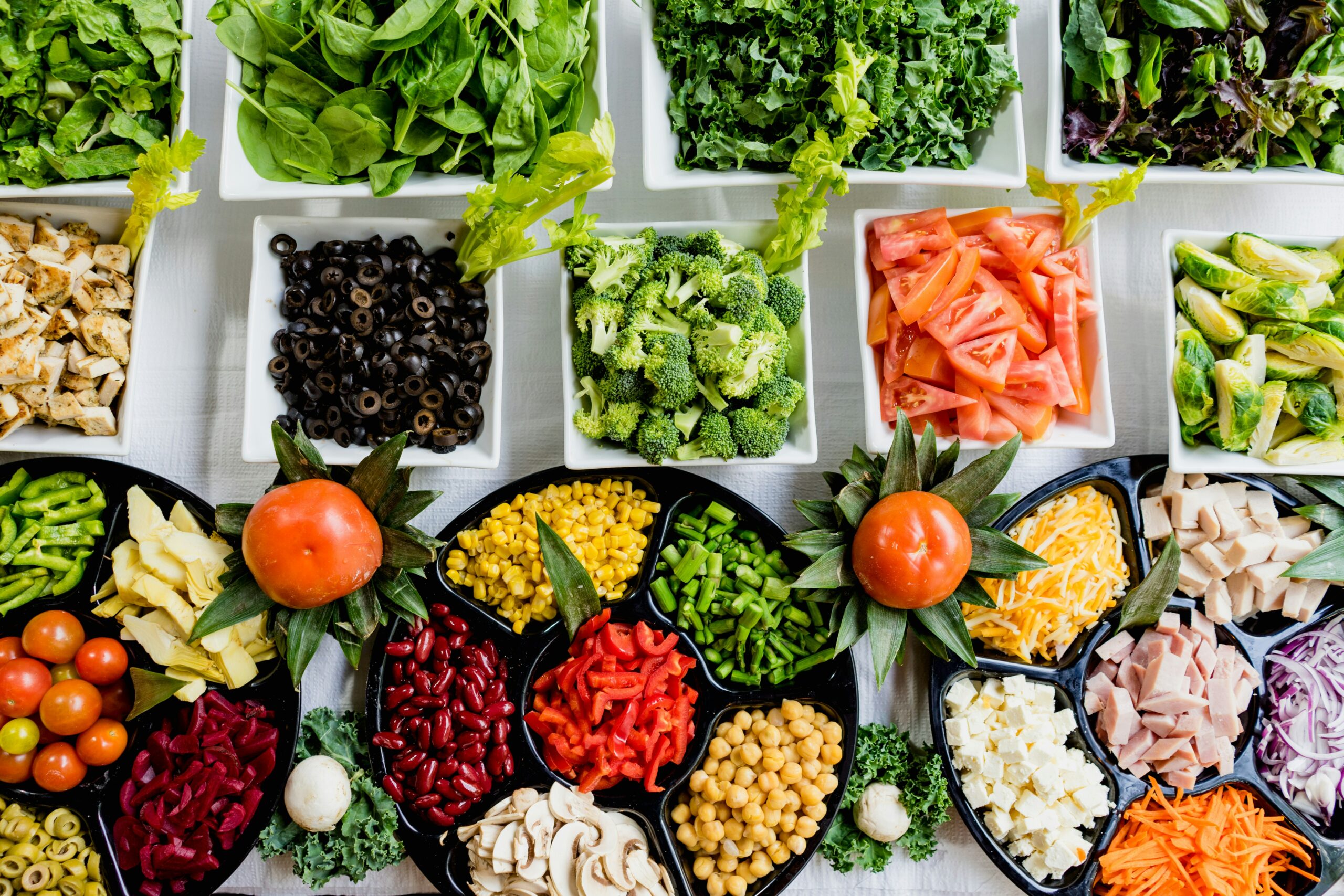
On the other hand, meals built around vegetables, beans, lentils, whole grains, fruit, nuts, seeds, and quality proteins can often be much more satisfying. These foods tend to bring more fiber, more volume, more micronutrients, and more steady fuel.
That means eating well may actually look like eating more food—not less.
More color.
More plants.
More fiber.
More protein.
More minerals.
More satisfaction.
More support for the body you are living in.
Undereating Can Work Against Your Health
When people are trying to improve their health, it is easy to assume that cutting back is always the answer.
But chronically undereating can create real problems.
Not eating enough can affect:
- Energy
- Mood
- Sleep
- Cravings
- Hormones
- Muscle mass
- Exercise capacity
- Metabolism
- Blood sugar stability
- Concentration
- Resilience to stress
Your body needs enough fuel to function. If you are constantly under-eating, your body may respond by increasing cravings, lowering energy, disrupting sleep, making workouts feel harder, and pushing you toward quick energy foods later in the day.
This is one reason restriction can become such a frustrating cycle.
You try to eat very little.
You feel tired and deprived.
Cravings increase.
You overeat or feel out of control.
Then you blame yourself and start restricting again.
But often the problem is not a lack of willpower. The problem is that the body is underfed.
Food Is Foundational to Energy
If you are tired all the time, food is not the only thing to look at—but it is absolutely one of the foundations.
Your body needs steady fuel to make energy. That means enough overall food, but also the right balance of nutrients.
Meals that include protein, fiber-rich carbohydrates, healthy fats, and colorful plant foods can help support steadier energy throughout the day. This may look like oatmeal with nuts and berries, a bean and vegetable soup, a grain bowl with roasted vegetables and tofu, eggs with greens and whole-grain toast, or a hearty salad with beans, avocado, and seeds.
The goal is not to eat perfectly.
The goal is to give your body something to work with.
When meals are too small or too low in nutrients, it is common to feel shaky, foggy, irritable, or exhausted. Many people then reach for caffeine or sugar—not because they are failing, but because the body is asking for energy.
Eating enough, especially earlier in the day, can make a meaningful difference.
Eating Enough Helps Stabilize Cravings
Cravings are often treated like a character flaw.
But many cravings are physiological.
If you skip breakfast, under-eat at lunch, push through the afternoon with coffee, and then feel ravenous at night, that is not a personal failure. That is a body trying to catch up.
Eating enough during the day can help reduce the intensity of evening cravings. Protein, fiber, and complex carbohydrates are especially helpful because they support fullness and more stable blood sugar.
This does not mean cravings will disappear forever. Food is emotional, social, cultural, and pleasurable too. But when the body is consistently nourished, cravings often become easier to understand and work with.
Instead of asking, “Why do I have no self-control?” you can ask, “Did I actually eat enough today?”
That question alone can change everything.
Nourishment Supports Hormones and Metabolism
The body does not experience food restriction in isolation.
When you do not eat enough, especially over time, the body may interpret that as stress. This can affect hormones, thyroid function, reproductive health, sleep, mood, and metabolism.
For women in perimenopause and menopause, nourishment becomes even more important. This stage of life already brings hormonal changes that can affect muscle, body composition, sleep, mood, insulin sensitivity, and energy. Under-fueling the body during this time can make those challenges harder.
This is one reason I encourage women to think beyond weight loss alone.
The question is not just, “How can I get smaller?”
The better question is, “How can I stay strong, nourished, energized, and metabolically healthy as I age?”
That requires enough food.
Enough protein.
Enough fiber.
Enough minerals.
Enough strength-building support.
Enough care.
Eating Enough Helps Protect Muscle
Muscle is one of the most important tissues for long-term health.
It supports strength, balance, mobility, metabolism, insulin sensitivity, bone health, and independence as we age. Yet many people, especially women, are still taught to prioritize thinness over strength.
In Lifestyle Medicine, we want to support the body’s ability to move, repair, and stay resilient. That means pairing physical activity—especially strength training—with enough nutrition to build and maintain muscle.
You cannot build strength on chronic restriction.
Protein matters. Overall energy matters. Recovery matters.
If you are exercising but not eating enough, your body may struggle to adapt. You may feel more fatigued, more sore, less motivated, and less able to maintain consistency.
Food supports movement. Movement supports health. The two work together.
Whole Foods Let You Eat More Volume
This is one of the most freeing parts of a whole-food, Lifestyle Medicine approach: you do not have to be afraid of eating.
When you build meals around nutrient-dense foods, there is often room for generous portions.
Think about a large bowl of vegetable soup with beans.
A big salad with lentils, roasted sweet potato, pumpkin seeds, and avocado.
A stir-fry with tofu, vegetables, brown rice, and a flavorful sauce.
A bowl of oatmeal with berries, walnuts, and ground flax.
A plate with roasted vegetables, greens, quinoa, and salmon or tempeh.
These meals can be abundant, filling, and deeply nourishing.
This is very different from diet culture, where the focus is often on making food smaller, lighter, and less satisfying.
In Lifestyle Medicine, we are not trying to punish the body into health. We are trying to support it.
The Problem With “Starve Yourself” Wellness Culture
We have to be honest about the culture we are living in.
There is a growing obsession with appetite suppression, rapid weight loss, and doing whatever it takes to eat less. Again, medications can have an appropriate role for some people when carefully prescribed and monitored. But culturally, we have to be careful.
Because health is not simply the absence of appetite.
Health is not seeing how long you can go without eating.
Health is not ignoring hunger until you disconnect from your body.
And health is not just a smaller number on the scale.
A person can lose weight in a way that supports health, and a person can lose weight in a way that depletes them. The difference matters.
If weight-loss medications are used, nutrition becomes even more important—not less. The body still needs protein, fiber, vitamins, minerals, hydration, and strength-building movement. Appetite may be lower, but nourishment still matters.
The goal should never be to starve the body into submission.
The goal should be to support health in a way that is sustainable, grounded, and respectful of the whole person.
Lifestyle Medicine Is About Sustainable Change
Lifestyle Medicine is built on the understanding that daily habits shape long-term health.
Nutrition is one of the central pillars, but it is not about perfection or rigid control. It is about using food therapeutically and realistically to support the body.
That might mean:
- Eating more vegetables
- Adding beans or lentils several times per week
- Getting enough protein at breakfast
- Choosing whole grains more often
- Eating fruit instead of fearing it
- Building more satisfying meals
- Reducing ultra-processed foods without becoming obsessive
- Learning how to feel full, fueled, and steady
Small changes can be powerful when they are consistent.
But consistency is much harder when you are hungry, tired, and deprived.
That is why eating enough is not the opposite of health. It is part of health.
A More Supportive Way to Think About Food
Instead of asking:
“How little can I eat?”
Try asking:
“What can I add that would nourish me?”
Could you add protein to breakfast?
Could you add a vegetable to lunch?
Could you add beans to soup?
Could you add fruit as a snack?
Could you add enough food earlier in the day so you are not depleted by evening?
Could you add strength training and then feed your body enough to recover?
This approach is less about restriction and more about support.
It helps shift food from something you battle into something that helps you build the health you want.
Eating Enough Is a Form of Care
Your body is not a problem to be solved through deprivation.
It is a living system that needs care, fuel, rhythm, movement, rest, and support.
Eating enough does not mean eating without awareness. It does not mean ignoring health goals. It does not mean food choices do not matter.
It means we stop treating nourishment like failure.
It means we remember that food is one of the most important ways we support healing, energy, metabolism, mood, muscle, and long-term resilience.
Eating well does not always mean eating less.
Often, it means learning how to eat enough of the foods that truly nourish you.
Looking for More Support?
If you are ready to explore a more sustainable, whole-person approach to health, Lifestyle Medicine can help you understand how nutrition, movement, sleep, stress, connection, and daily habits work together.
The goal is not perfection.
The goal is to build a way of living that supports your body over time.
Learn more about my Lifestyle Medicine courses.