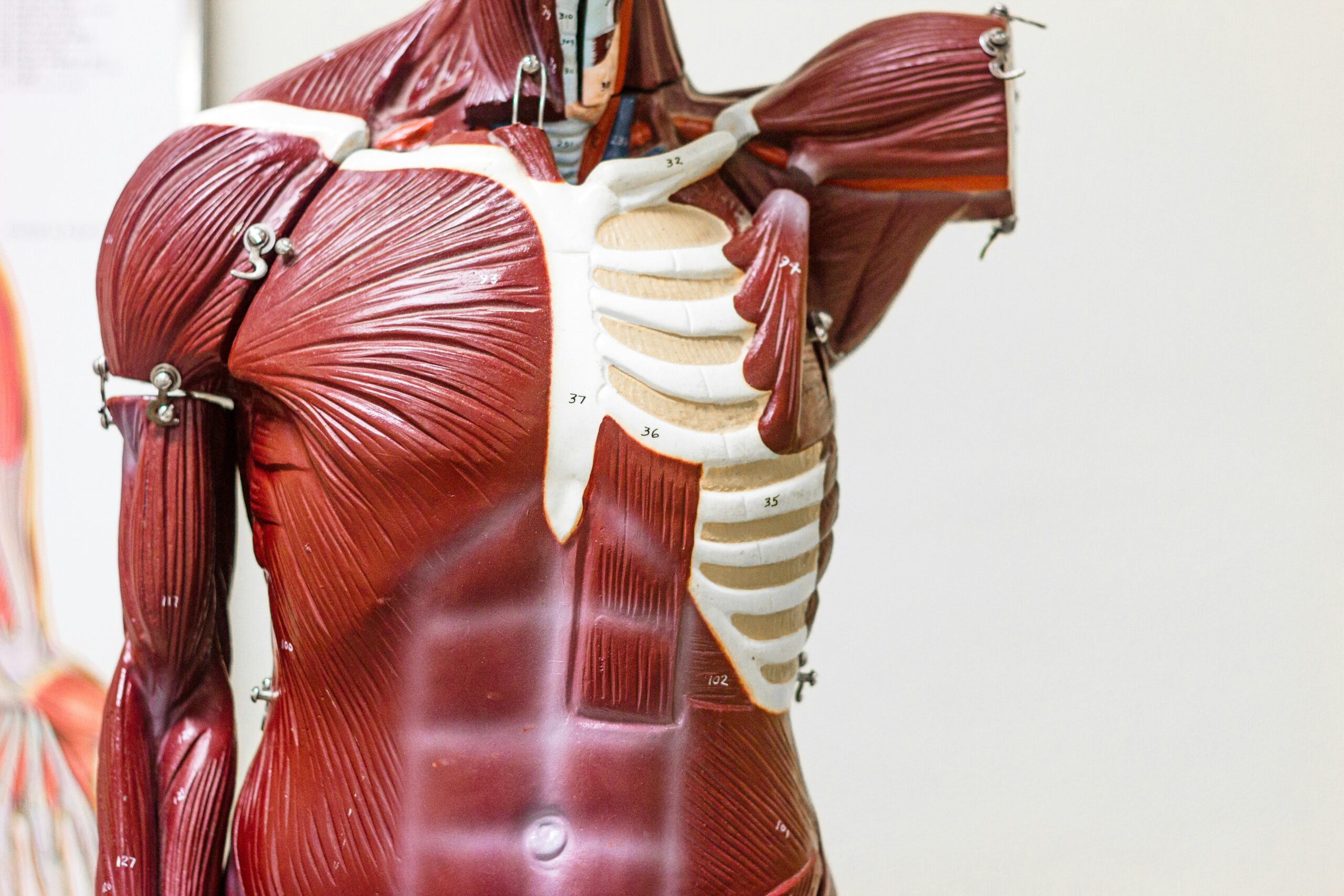
When many people think about muscle, they think about appearance, fitness goals, or time spent at the gym. But muscle is much more than that. Building and maintaining muscle is one of the most important things women can do to support long-term health, energy, mobility, metabolism, bone health, and independence.
From a Lifestyle Medicine perspective, strength is not about chasing a certain body type. It is about supporting the body so it can keep doing the things that matter: walking, lifting, carrying, climbing stairs, playing with kids or grandkids, traveling, gardening, dancing, and moving through daily life with more ease and confidence.
Muscle is part of the foundation that helps us age well, feel steady in our bodies, and maintain our quality of life over time.
Muscle Supports Everyday Strength
Strength training does not only matter for athletes or people who love the gym. It matters for everyday life.
We use muscle every time we carry groceries, lift a laundry basket, get up from a chair, climb stairs, open a heavy door, walk uphill, or get up from the floor. When we have more strength, these everyday tasks often feel easier and safer.
Maintaining muscle also supports balance, posture, and coordination. This becomes especially important as we get older, when falls and injuries can have a bigger impact on independence and quality of life.
Building muscle is not about becoming extreme. It is about creating enough strength to feel capable in your own body.
Muscle and Healthy Aging
As we age, we naturally begin to lose muscle mass unless we actively work to maintain it. This age-related muscle loss can affect strength, mobility, metabolism, and overall function.
For women, this can become especially noticeable during midlife and beyond. Hormonal changes, changes in activity level, stress, sleep disruption, and busy caregiving or work demands can all make it easier to lose muscle and harder to rebuild it.
The good news is that muscle is responsive. With consistent movement, strength training, adequate protein, recovery, and supportive lifestyle habits, the body can build and maintain strength at many stages of life.
It is never too late to begin. Even small, steady efforts can make a meaningful difference over time.
Muscle Supports Bone Health
Strength training is also important for bone health. This matters deeply for women, especially as bone density can decline with age and hormonal changes.
Muscles and bones work together. When muscles pull against bone during resistance exercise, it gives the body a signal to maintain and strengthen bone tissue. Weight-bearing movement and resistance training can support stronger bones and may help reduce the risk of fractures over time.
This does not mean every person needs to lift heavy weights right away. Bodyweight exercises, resistance bands, light weights, step-ups, squats, and functional movement can all help create that important signal.
The key is consistency and gradual progression.
Muscle Helps Support Metabolism and Blood Sugar Balance
Muscle also plays an important role in metabolic health. Muscle tissue helps the body use and store glucose, which means maintaining muscle can support healthier blood sugar balance and steadier energy.
This is one reason strength training can be such a powerful tool in Lifestyle Medicine. It is not only about burning calories during exercise. It is about building tissue that supports the body’s ability to manage energy, insulin sensitivity, and long-term metabolic health.
Muscle also helps support a healthy metabolism as we age. Since muscle is more metabolically active than fat tissue, preserving muscle can help support overall energy use and body composition in a more sustainable way.
Again, the goal is not punishment or perfection. It is support.
Strength Training Does Not Have to Be Complicated
One of the most encouraging things about building muscle is that it does not require an intense gym routine to begin.
Strength can be built through simple, approachable movements like squats, wall push-ups, lunges, bridges, step-ups, resistance bands, hand weights, Pilates, strength-focused yoga, gardening, carrying groceries, or short strength sessions at home.
For many people, starting with two short strength sessions per week is a realistic and supportive goal. Over time, you can gradually add more resistance, more repetitions, or more challenging movements.
The best strength routine is one you can actually keep doing.
Protein, Recovery, and Lifestyle Matter Too
Movement is important, but muscle also needs support from nutrition and recovery.
Protein provides the building blocks needed for muscle repair and maintenance. Many women, especially those eating lighter meals or skipping meals during busy days, may not be getting enough protein spread throughout the day.
This does not mean protein needs to become obsessive or complicated. It simply means including nourishing protein sources regularly, such as beans, lentils, tofu, tempeh, eggs, fish, poultry, Greek yogurt, nuts, seeds, or other options that fit your needs and preferences.
Sleep and recovery also matter. Muscle is built and repaired during rest, not just during exercise. Chronic stress, poor sleep, under-eating, and overtraining can all make it harder for the body to build and maintain strength.
Whole-person health always works together.
Strength Is a Form of Self-Care
Building muscle is not about trying to look younger, smaller, or more acceptable. It is about caring for your future self.
It is about being able to carry what you need to carry. To move with more confidence. To support your bones and joints. To feel more stable and capable. To maintain independence for as long as possible. To have the strength to keep participating in the life you love.
For women, strength can be deeply empowering. It can shift the focus away from shrinking the body and toward supporting the body.
That shift matters.
Start Small and Build From There
If strength training feels intimidating, start small. Begin with a few basic movements, a short walk with hills, a resistance band routine, or simple exercises you can do at home.
You do not need to overhaul your life in one week. You do not need the perfect plan. You do not need to be sore after every workout.
You just need a place to begin.
Over time, those small efforts can build into something powerful: more strength, more stability, more confidence, and a stronger foundation for long-term wellness.
Building and maintaining muscle is one of the most meaningful investments women can make in their health. Not because the body needs to look a certain way, but because the body deserves support for the life it is here to live.
If you are ready to support your health through movement, nourishment, rest, and whole-person care, explore my Lifestyle Medicine Courses.