If I asked you this question quickly, your mind might jump straight to logistics—income, hours, location, maybe even a dream office space. But before we get practical, I want to slow this down.
Most nurse practitioners don’t burn out because they lack skill or dedication. They burn out because they build practices that don’t actually support their lives.
This exercise isn’t about predicting the future or locking yourself into a rigid plan. It’s about creating clarity. When you know what you’re building toward, the decisions you make today start to feel more grounded—and far less overwhelming.
Why 3 Years?
Three years is far enough away to allow meaningful change, but close enough to feel real. It gives you room to grow without drifting endlessly into “someday.”
You don’t need to know how everything will happen yet. You just need a direction.
Step One: Zoom Out From the Job Title
Before we talk about patients, pricing, or business structure, start here:
In three years, how do you want your life to feel?
Ask yourself:
- How many days per week are you working?
- How much energy do you have at the end of the day?
- Are you rushing—or do you have space to breathe?
- Does your work support your health, relationships, and life outside of work?
Your practice should serve your life—not the other way around.
Step Two: Imagine Your Ideal Workday
Now bring it closer to your daily reality.
Picture a typical workday three years from now:
- How many patients are you seeing in a day?
- How long are your appointments?
- Do you feel grounded at the end of the day—or depleted?
Then zoom out a bit further:
- Are you practicing in a physical office, through telehealth, or a mix of both?
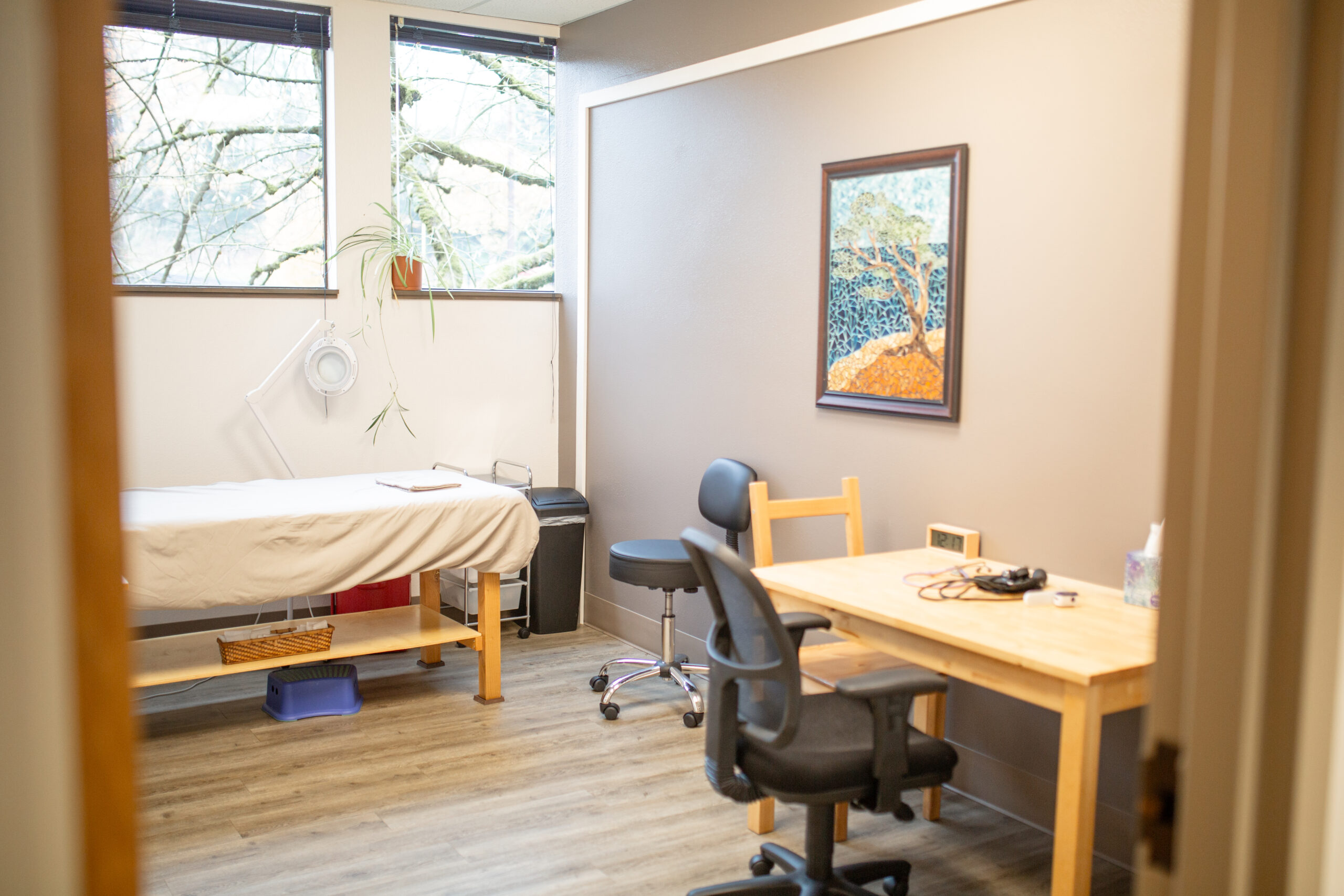
- If you have an office, what does it feel like to walk into it?
- If you’re primarily virtual, what kind of flexibility does that give you—and what does it require from you?
These details shape your experience far more than most people realize.
Step Three: How Do You Want to Practice?
Many NPs feel tension between how they were trained and how they actually want to practice.
Take a moment to reflect:
- Do you want to work solo, or collaboratively with other clinicians?
- Do you thrive independently, or do you want built-in support and shared care?
- Do you want to utilize employees or contractors—or keep your practice intentionally simple?
- How much management responsibility do you want to carry?
There is no ideal structure—only the one that fits your capacity, values, and stage of life.
Step Four: The Kind of Care You Want to Provide
Now consider the care itself.
Ask yourself:
- Do you want time for education and prevention?
- Do you want to address root causes more consistently?
- Do you want deeper relationships with fewer patients—or faster-paced visits with higher volume?
- What kind of care leaves you feeling fulfilled rather than drained?
Your ideal practice isn’t defined by what you can do. It’s defined by what you want to do consistently without burning out.
Step Five: Get Honest About the Financial Picture
Now let’s talk about money—not from a hustle mindset, but from a clarity one.
In three years, how do you want your practice to support you financially?
There are many sustainable models, but they usually fall along a spectrum:
- Charging more and seeing fewer patients
- Charging less and seeing more patients
- Or finding a middle ground that feels manageable and aligned
None of these approaches is inherently better than the others. What matters is whether the model fits your energy, values, and capacity.
Ask yourself:
- What annual or monthly income would allow you to feel stable and not constantly stressed?
- How many days per week do you actually want to work?
- How many patients could you see in a day without feeling depleted?
- How long do you want your visits to be?
Once you have a rough financial goal, work backward:
If this is the income I want to earn, and this is what I charge per visit, how many patients would I need to see each week to reach that?
This isn’t about pressure. It’s about alignment. When pricing, patient volume, and schedule support each other, your practice becomes far more sustainable.
Step Six: Turn Reflection Into a Simple Map
You don’t need a detailed business plan right now. You need direction.
Try writing down:
- One thing you want more of in three years
- One thing you want less of
- One structural decision that matters most to you (setting, schedule, simplicity, support)
- One small step you could take in the next 3–6 months
That’s enough to begin.
A Final Thought
If your current role feels draining or limiting, that doesn’t mean you chose the wrong profession. Often, it means you’re ready to practice differently.
You don’t need to have everything figured out to move forward. You just need permission to imagine something better—and space to build it intentionally.
If you’re curious to explore more, take a look around my site and see what resonates. And as always, feel free to reach out if you have questions.