How to Prevent Burnout as a Nurse Practitioner
Burnout is something many nurse practitioners experience, but not everyone recognizes it right away. It does not always look dramatic. Sometimes it looks like feeling tired all the time, dreading your workday, losing patience more easily, or feeling disconnected from the work you used to care about. Sometimes it looks like going through the motions while feeling like you have very little left to give. For many NPs, burnout builds slowly. The demands of patient care, charting, inbox management, administrative tasks, and emotional labor can pile up over time. Because so much of this is normalized in healthcare, it is easy to assume that feeling overwhelmed is just part of the job. But common does not mean healthy. And pushing through without addressing it usually makes things worse. The good news is that burnout is not something you have to ignore until you hit a wall. There are ways to notice it earlier, respond sooner, and build a more sustainable career. Recognize the Early Signs of Burnout One of the most important things you can do is learn to recognize burnout before it becomes severe. Many nurse practitioners wait until they are completely depleted to admit something is wrong. By that point, recovery usually takes more time and more change. Early signs of burnout can include emotional exhaustion, irritability, lack of motivation, brain fog, trouble sleeping, cynicism, or a sense that even small tasks feel heavier than they used to. You may notice that you feel less present with patients, more resentful of your workload, or less able to recover after a hard day. These signs matter. They are not something to brush off or explain away forever. Burnout often begins when chronic stress goes unaddressed for too long. Stop Treating Rest Like a Reward One reason burnout is so common in healthcare is that many clinicians treat rest like something they have to earn. The problem is that in clinical work, there is always more to do. There is always another chart, another message, another refill, another patient, another responsibility. If rest only happens when everything is done, it may never happen. Protecting your energy has to be part of the plan now, not something you keep postponing. That includes sleep, time off, breaks during the day, nourishing meals, movement, and enough margin in your week to actually recover. Rest is not laziness. It is part of what allows you to keep practicing well over the long term. Look Honestly at Your Workload Sometimes burnout is discussed as if it can always be fixed with better self-care. But sometimes the real issue is that your workload is simply too heavy or your work environment is no longer sustainable. If you are seeing too many patients in too little time, taking work home every night, drowning in documentation, or constantly feeling behind, that matters. If your schedule leaves no room to think, reset, or even eat lunch without multitasking, that matters too. Preventing burnout often requires honesty. Is your current pace actually sustainable? Are expectations realistic? Are you being asked to carry more than one person should reasonably carry? You cannot always change everything overnight, but you can start by naming what is not working. That clarity is often the beginning of change. Set Better Boundaries Around Your Time and Energy Nurse practitioners are often taught to be flexible, accommodating, and endlessly responsible. Those qualities can make you a compassionate clinician, but without boundaries, they can also make you vulnerable to burnout. Boundaries may mean limiting after-hours work, being more realistic about what you can take on, protecting time for charting, or stopping the habit of saying yes to every extra ask. It may also mean being more intentional about what emotional weight you carry home with you. Boundaries are not about caring less. They are about creating a version of your work that you can actually sustain. When everything is urgent and everything has access to you, burnout grows quickly. Get Support Before You Are in Crisis Burnout tends to get worse in isolation. When you are exhausted, it is easy to assume you just need to push harder or get better at coping. But many NPs need more support, not more self-judgment. That support might come from a trusted colleague, mentor, therapist, supervisor, or professional community. Sometimes simply talking honestly about what is happening can help you feel less alone and more clear about what needs to change. You do not need to wait until you are completely falling apart to reach out. In fact, it is much better to do it sooner. Reconnect With What Makes Your Work Meaningful Burnout is not only about working hard. It is also about losing connection with the parts of your work that feel meaningful. When your days become all pressure, all output, and no purpose, even a good career can start to feel empty. It can help to ask yourself what still feels energizing in your role and what consistently drains you. Are there parts of your work that still feel aligned? Are there parts that no longer fit? Have you drifted too far from the kind of care you actually want to provide? For some nurse practitioners, burnout prevention means making small changes. For others, it means making bigger ones. That could include changing settings, reducing hours, shifting your niche, exploring private practice, or finding a model of care that allows you to work in a way that feels more human and sustainable. Give Yourself Permission to Rethink the Way You Work This is an important part of the conversation. Sometimes burnout is not a sign that you chose the wrong profession. It is a sign that the way you are currently working is not working for you anymore. That is not failure. That is information. There is no prize for staying in a role that is draining the life out of you just because it looks stable from the outside. Nurse practitioners deserve careers that support their
How to Start a Nurse Practitioner Private Practice
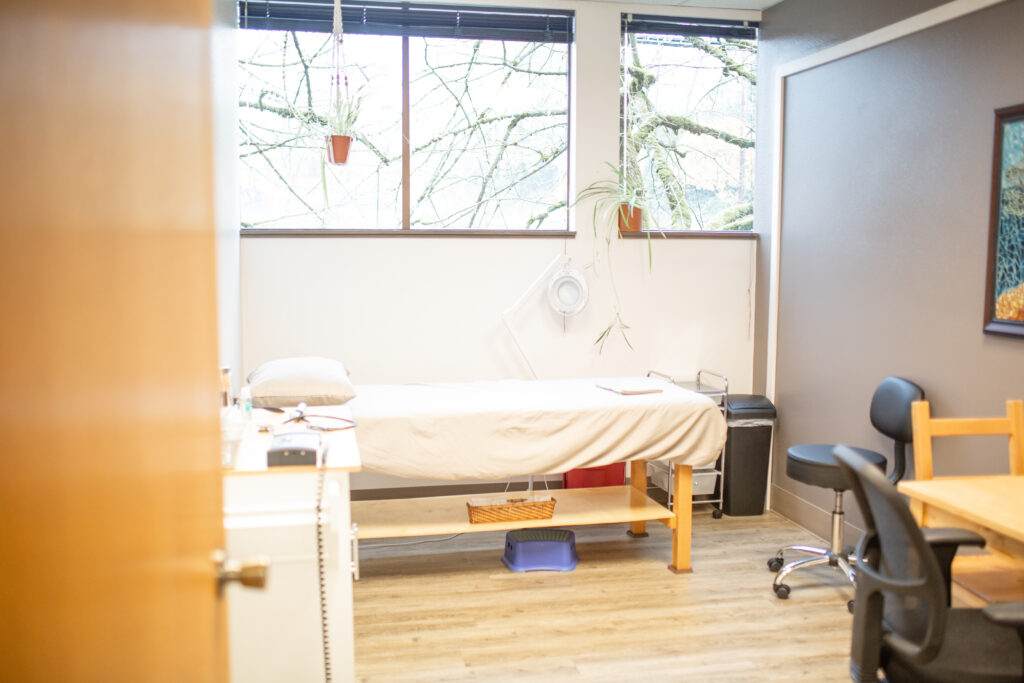
Starting a private practice is something many nurse practitioners think about, but the process can feel overwhelming at first. Between business decisions, legal requirements, and figuring out how to attract patients, it’s easy to assume that launching a practice is more complicated than it actually is. The truth is that thousands of nurse practitioners across the United States are successfully running their own clinics. With the right planning and support, it is absolutely possible to build a practice that allows you to care for patients in a way that aligns with your values and professional goals. If you’re considering starting your own clinic, here are the key steps nurse practitioners typically follow when launching a private practice. 1. Understand Your State’s Practice Authority One of the first things to research is your state’s practice authority laws. States fall into three general categories: Understanding your state’s regulations will determine whether you need a collaborating physician or medical director before opening your practice. 2. Choose Your Business Structure Most nurse practitioner practices are structured as one of the following: The right choice often depends on your state laws and your tax situation. Many NPs begin with an LLC or PLLC and later elect S-corp taxation as revenue grows. 3. Register Your Business Once you’ve chosen a structure, the next step is registering your practice. This usually includes: These steps establish your clinic as a legal business entity. 4. Obtain Malpractice Insurance Professional liability insurance is essential for nurse practitioners in private practice. Policies vary depending on specialty and services offered, but most NPs choose coverage that includes: Malpractice insurance is often required before credentialing with insurance companies or signing clinic leases. 5. Decide on Your Practice Model One of the biggest strategic decisions is how your practice will operate financially. Many nurse practitioners choose one of three models: Each model has different implications for revenue, patient access, and administrative workload. 6. Set Up Your Clinical Infrastructure Before seeing patients, you’ll need several core systems in place: Fortunately, many modern EMR platforms combine these features into a single system. 7. Create a Simple Marketing Plan One of the most common concerns nurse practitioners have is how to find their first patients. In reality, many practices grow through simple strategies such as: You don’t need complicated marketing to start building a patient base. 8. Start Small and Grow Many successful nurse practitioner practices begin part-time or with a limited service offering. Starting small allows you to: Over time, many NPs expand their services, hours, or team as their clinic grows. Final Thoughts Starting a nurse practitioner private practice may seem intimidating at first, but when broken down into steps, the process is very manageable. Many nurse practitioners discover that owning their own clinic allows them to practice medicine in a way that feels more aligned with their values, their patients’ needs, and the type of care they want to provide. If you’re exploring the idea of starting your own practice, learning from someone who has already built a successful clinic can make the process much smoother. Check out Your Flourishing Practice now.
Insurance vs Cash Pay: Which Model Should Nurse Practitioners Choose for Private Practice?

One of the first major decisions nurse practitioners face when starting a private practice is whether to accept insurance or operate as a cash-pay practice. This choice affects your revenue, workload, patient experience, and ultimately the kind of medicine you are able to practice. Most NPs are trained in traditional healthcare systems where insurance billing is the norm. But private practice opens the door to different business models, and many nurse practitioners are surprised to learn how differently a practice can function depending on the structure they choose. Understanding the strengths and limitations of both models is essential before launching a practice. The Insurance-Based Model In an insurance-based practice, the clinic bills insurance companies for patient visits. Patients typically pay a copay or coinsurance, while the insurance company reimburses the remainder of the visit. The biggest advantage of accepting insurance is access. Many patients prefer to use their insurance benefits, which can make it easier to build a patient base. Being listed in insurance directories can also help patients discover your practice. However, accepting insurance introduces significant operational complexity. Credentialing with insurance companies can take months. Once a practice is credentialed, billing requires accurate coding, claim submission, and follow-up on denials or underpayments. Many practices either hire a biller or outsource this work. Reimbursement rates are set by insurance companies, not by the provider. Payments may take weeks or even months to arrive, which can create cash flow challenges for new practices. Insurance contracts can also influence how care is delivered, including visit length, documentation requirements, and coverage limitations. For some practices this model works well, especially in areas where patients strongly rely on insurance to access care. The Cash-Pay Model In a cash-pay practice, patients pay directly for services at the time of the visit. The practice does not bill insurance companies. Some clinics provide patients with a superbill so they can submit claims to their insurance independently if they have out-of-network benefits. The most obvious advantage of cash pay is simplicity. Without insurance billing, the practice avoids credentialing, claim submission, prior authorizations, and reimbursement delays. Payment is collected at the time of service, which creates predictable cash flow. Cash-pay practices also offer more flexibility in how care is delivered. Providers can structure longer visits, offer comprehensive consultations, or build programs that focus on prevention and lifestyle change without worrying about insurance reimbursement limits. This model is especially common in areas such as integrative medicine, lifestyle medicine, hormone therapy, mental health, and specialized wellness programs. The main challenge is that patients must be willing to pay directly for care. Some patients will only seek in-network providers, which means cash-pay practices often need strong messaging that clearly communicates the value of their services. Why Many NPs Are Exploring Cash-Pay Models Across the country, many nurse practitioners are reconsidering the traditional insurance-based structure. Administrative burden, declining reimbursement rates, and limited time with patients have pushed many providers to explore alternatives. Cash-pay models allow clinicians to design practices around longer visits, deeper patient relationships, and prevention-focused care. For providers who feel constrained by the insurance system, this model can create a very different experience of practicing medicine. However, success with cash pay depends on clear positioning, patient education, and a strong understanding of the value your services provide. Choosing the Right Model for Your Practice There is no single model that works for every nurse practitioner. The best choice depends on your goals, specialty, and the type of care you want to provide. Insurance-based practices may be a better fit for providers who want broader accessibility and steady patient volume. Cash-pay practices tend to work best when the services offered involve longer visits, specialized care, or programs that go beyond what insurance typically reimburses. Some practices eventually experiment with hybrid structures, combining insurance-based visits with cash-pay programs or specialty services. Private practice gives nurse practitioners the opportunity to design a model that supports both patient care and professional sustainability. Building a Practice That Works for You Starting a nurse practitioner practice involves much more than clinical skills. Understanding business structure, reimbursement models, and operational strategy is essential to building a sustainable clinic. If you’re considering launching your own practice, take time to explore the different ways nurse practitioners are structuring their businesses today. The right model can allow you to practice medicine in a way that is both financially viable and professionally fulfilling. Explore the resources and programs available on this site to learn more about building a nurse practitioner practice that aligns with the way you want to practice medicine.
Nurse Practitioner Practice Authority by State (2026)

If you’re thinking about starting your own Nurse Practitioner practice, this is the first thing you need to understand: Your state’s practice authority determines what your business can legally look like. Before you choose a name, pick an EMR, or sign a lease, you need clarity on: Your regulatory environment shapes your autonomy, revenue potential, and long-term sustainability. Below is a clear breakdown of Full, Reduced, and Restricted practice authority, followed by a complete list of all 50 states (plus DC). What Do Full, Reduced, and Restricted Practice Authority Mean? These classifications follow the American Association of Nurse Practitioners (AANP) model. Full Practice Authority NPs can: All under the authority of the state board of nursing — without required physician oversight. Reduced Practice Authority State law reduces at least one element of NP practice. This usually means: You may operate independently in many ways, but structured physician involvement is built into the model. Restricted Practice Authority State law restricts at least one element of NP practice and requires: This significantly impacts autonomy and business structure. Complete List: NP Practice Authority by State (2026) Full Practice States Alaska Arizona Colorado Connecticut Delaware Hawaii Idaho Iowa Kansas Maine Maryland Massachusetts Minnesota Montana Nebraska Nevada New Hampshire New Mexico New York North Dakota Oregon Rhode Island South Dakota Utah Vermont Washington Wyoming Washington, D.C. Reduced Practice States Alabama Arkansas Illinois Indiana Kentucky Louisiana Mississippi New Jersey Ohio Pennsylvania West Virginia Wisconsin Restricted Practice States California Florida Georgia Michigan Missouri North Carolina Oklahoma South Carolina Tennessee Texas Virginia Why This Matters If You’re Starting an NP Practice Your state classification affects: Many NPs build a business vision before understanding the regulatory framework. That’s backwards. Clarity first. Strategy second. If you’re ready to open your own practice, transition out of insurance-driven primary care, or build a more aligned integrative clinic, explore the Nurse Practitioner mentorship programs and business resources available on this site. You don’t have to figure this out alone.
Opening a Nurse Practitioner Practice: Start with the Rules in Your State
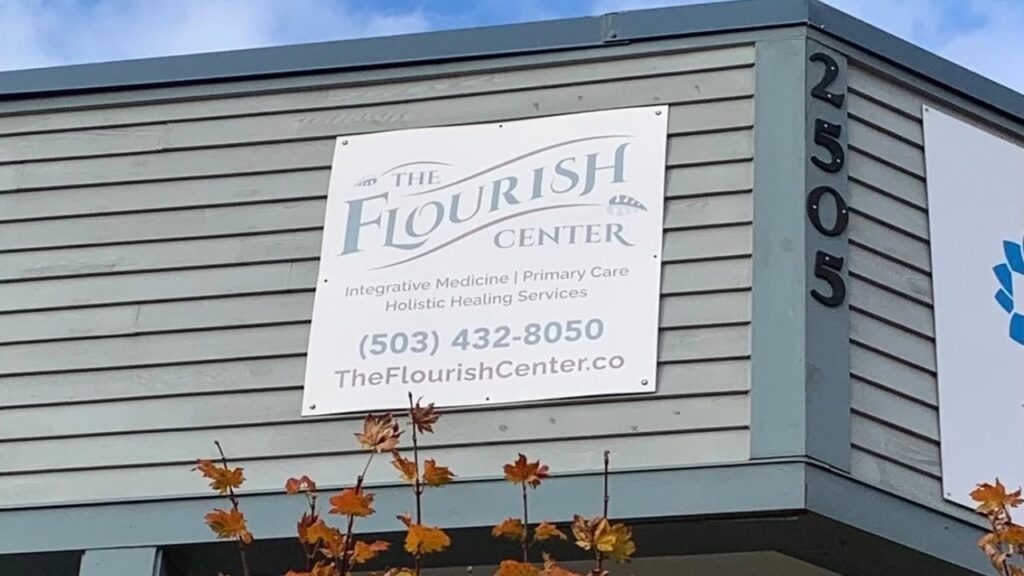
When nurse practitioners tell me they want to open a private practice, they often want to start with branding, services, or office space. That’s not the first step. The first step in opening a nurse practitioner practice is understanding the rules in your state. Whether you’re launching in Portland, Oregon, Boise, Idaho, Austin, Texas, Nashville, Tennessee, or Phoenix, Arizona, your scope of practice and regulatory environment will shape what your business can legally look like. Before you build your vision, get regulatory clarity. Know Your Scope of Practice Every state defines NP authority differently. You need to understand: Opening a nurse practitioner private practice in Portland looks different than opening one in Nashville or Phoenix. Do not rely on secondhand information. Read your state board of nursing statutes directly. Understand Business & Legal Requirements Starting a healthcare practice is both a clinical and legal decision. You may need: If you plan to take insurance, factor in credentialing timelines early. In growing markets like Austin or Boise, preparation matters. Don’t Skip Compliance Even solo NPs must have: Compliance is foundational — not optional. Why This Matters So many nurse practitioners delay opening a private practice because the unknown feels overwhelming. But when you clearly understand your state regulations, fear decreases and confidence increases. You move from: “I hope I’m allowed to do this…” To: “I know exactly what’s required — and I can build within it.” A nurse practitioner practice built on regulatory clarity is stronger, safer, and far more sustainable. If you want step-by-step guidance on opening or growing your nurse practitioner private practice — from regulations to revenue — explore the mentoring programs on this site. You don’t have to figure it out alone.
How to Start a Private Practice as a Nurse Practitioner

Starting a private practice as a Nurse Practitioner often begins with a quiet, persistent feeling: there has to be a better way to do this. For many NPs, the desire to open a practice doesn’t come from ambition alone. It comes from frustration—rushed visits, symptom-focused care, limited autonomy, and systems that don’t allow the depth of care you know your patients need. It can also come from a desire for sustainability: practicing in a way that supports your health, your values, and your long-term wellbeing. If you’re considering private practice, it’s normal to feel both excited and overwhelmed. Most Nurse Practitioners are clinically capable but underprepared for the business, legal, and emotional aspects of owning a practice. The good news is that you don’t need to have everything figured out to begin. Start With Clarity, Not Comparison One of the biggest mistakes I see is NPs trying to copy someone else’s model before understanding their own values. There is no single “right” way to run a private practice. What works beautifully for one provider may feel completely misaligned for another. Before you focus on logistics, spend time getting clear on a few foundational questions: This clarity becomes your anchor. It will guide every decision that follows, from scheduling and pricing to scope and growth. Understand Your Scope and State Regulations Private practice always begins with understanding what is legally allowed in your state. Scope of practice laws, supervision requirements, prescribing authority, and business regulations vary widely. This step isn’t glamorous, but it’s essential. Knowing the rules allows you to practice confidently and ethically, and it prevents costly mistakes down the road. When in doubt, consult your state board, professional organizations, or an attorney familiar with healthcare law. Choose a Practice Model That Fits You Private practice doesn’t automatically mean insurance-based care. There are several models available to Nurse Practitioners, including: Each has benefits and challenges. Cash-pay models often offer more flexibility and time with patients, while insurance-based models can feel more familiar but come with administrative complexity. Hybrid models combine elements of both. The “best” model is the one that aligns with your values, capacity, and goals—not the one that’s most popular online. Build the Business Side Thoughtfully Many NPs underestimate how much the business structure affects their experience of practice. Decisions around pricing, scheduling, policies, and systems shape your stress levels just as much as your clinical work. This includes: You don’t need everything to be perfect from day one. You do need systems that are clear, ethical, and supportive. You Don’t Need to Know Everything to Begin One of the most common beliefs that keeps NPs stuck is the idea that they need more training, more certifications, or more confidence before starting. While education is valuable, waiting until you feel “fully ready” often means never starting at all. Private practice is learned by doing—thoughtfully, supported, and with reflection. You can grow your clinical skills, refine your niche, and adjust your offerings over time. Starting does not lock you into one version of your practice forever. Expect the Emotional Side of Practice Ownership Starting a private practice brings up more than business questions. It can stir fear, self-doubt, grief, and comparison. You may grieve the version of medicine you hoped would be possible in traditional systems. You may question yourself when things feel slow or uncertain. This is normal. Owning a practice requires emotional resilience, not just clinical competence. Support—whether through mentorship, community, or trusted colleagues—can make a significant difference in how sustainable this journey feels. Build Something That Can Last A successful private practice isn’t defined only by income or growth. It’s defined by sustainability. Can you do this work without burning out? Can your practice support your life, not consume it? Growth doesn’t always mean adding more patients, more services, or more hours. Sometimes it means simplifying, refining, and protecting what matters most. You Don’t Have to Do This Alone I often say I wish I had had a mentor when I started my first practice. Experience brings clarity, but support can shorten the learning curve and reduce unnecessary stress. If you’re feeling called to practice medicine differently, know that it’s possible to build a private practice that aligns with your values and supports your wellbeing. You don’t have to practice like anyone else—and you don’t have to figure it all out on your own. If this resonates, explore my site to learn more about mentorship and resources designed to support Nurse Practitioners building or growing integrative, sustainable practices.
What Mentorship Can (and Cannot) Do for You as an APRN

I often say, “I wish I had had a me for me when I started my first practice.” That sentence comes from lived experience—not regret, but clarity earned the long way around. I’ve started and grown two integrative practices in two different states, and while I learned an incredible amount along the way, I also know how much easier certain seasons would have been with steady, experienced guidance. Mentorship isn’t magic. It won’t remove uncertainty, eliminate hard work, or make every decision obvious. But when used well, mentorship can be one of the most stabilizing, grounding supports you have as a Nurse Practitioner building or growing a practice. Mentorship Is Not a Shortcut—It’s a Companion One of the biggest misconceptions about mentorship is that it provides a shortcut to success. In reality, mentorship doesn’t replace discernment or effort—it supports them. You still make the decisions. You still take the risks. You still do the work of showing up for your patients and your practice. What mentorship does offer is a trusted companion alongside you while you do that work. Someone who has already navigated the questions you’re asking now. Someone who understands the emotional weight of practicing medicine differently and the very real responsibility of running a business that supports both your patients and your livelihood. What Mentorship Can Do Mentorship can help you see more clearly. When you’re inside your own practice—or still imagining one—it’s easy to feel overwhelmed by options, opinions, and external noise. A mentor helps you filter what actually matters for yourvalues, goals, and nervous system. Mentorship can shorten the learning curve. Not by rushing growth, but by helping you avoid common and costly missteps. Legal decisions, financial structures, pricing, boundaries, scheduling, systems—these are things most APRNs are never trained in, yet they shape the sustainability of your practice from day one. Mentorship can support your clinical identity. Practicing integrative or lifestyle medicine often requires unlearning parts of conventional systems while still honoring evidence, safety, and scope. Having guidance here can deepen your confidence and help you practice with integrity rather than second-guessing yourself at every turn. Mentorship can reduce isolation. Private practice can feel surprisingly lonely, especially when your peers don’t understand the pressures you’re navigating. Sometimes what’s needed isn’t another strategy, but a space to be heard by someone who truly understands the terrain. Mentorship can protect against burnout. Burnout doesn’t automatically disappear when you leave mainstream systems. Without thoughtful structure, private practice can recreate the same exhaustion in a different form. Mentorship can help you build a practice that supports your health, not one that slowly depletes it. What Mentorship Cannot Do Mentorship cannot make decisions for you. It won’t remove fear entirely or guarantee a specific outcome. It can’t replace your intuition, your clinical judgment, or your responsibility as a provider and business owner. Mentorship also isn’t about copying someone else’s model wholesale. Your practice doesn’t need to look like mine—or anyone else’s—to be successful. In fact, the goal is the opposite: helping you build something that truly fits you. Why Mentorship Matters for APRNs in Particular Nurse Practitioners often feel pressure to prove themselves—clinically, professionally, and financially. Many of the APRNs I work with are deeply capable, thoughtful clinicians who simply haven’t been shown how to translate that skill into a sustainable, values-aligned practice. Mentorship helps bridge that gap. It supports APRNs in stepping fully into leadership—not by becoming someone else, but by practicing medicine in a way that feels ethical, humane, and whole. Practicing Medicine Differently Requires Support The future of healthcare depends on clinicians who think differently. Who listen deeply. Who refuse to rush care or reduce patients to symptoms. But practicing this way takes courage—and support. Mentorship doesn’t give you all the answers. What it gives you is steadiness, perspective, and the reminder that you don’t have to do this alone. If this resonates, explore my site to learn more about my work—and reach out if you’d like to work with me.
Starting Your First Practice: A Better Way to Build What You’ve Been Dreaming About
For many nurse practitioners, the desire to open a private practice doesn’t come from ambition alone—it comes from frustration. Frustration with rushed visits.Frustration with symptom-focused care.Frustration with practicing in systems that leave both providers and patients depleted. I know this feeling well. After decades of working as a nurse, nurse practitioner, and patient advocate, I reached a point where I knew mainstream medicine wasn’t allowing me—or my patients—to truly thrive. I wanted the freedom to practice integrative, holistic care without cutting appointments short, battling insurance restrictions, or sacrificing my own wellbeing in the process. So I built something different. You Don’t Need to Be “More Ready” to Begin One of the biggest myths I see among APRNs considering private practice is the belief that they need more first—more certifications, more years, more confidence, more clarity—before they can start. In reality, what most practitioners need isn’t more training.They need a clear, proven path. When I opened my first practice, I didn’t have everything figured out. What I did have was a vision for how I wanted to practice and the willingness to take aligned, strategic steps forward. That practice grew from zero to over 600 patients and into a sustainable six-figure business—all while seeing patients just three days a week. I later repeated that process when opening my second integrative clinic in another state. The lesson was clear: success doesn’t come from doing everything—it comes from doing the right things in the right order. What Holds Most NPs Back From Starting If you’re thinking about starting your first practice, chances are you’ve felt some version of these concerns: These fears are understandable—but they are also surmountable. Starting a practice is supposed to feel unfamiliar. What it shouldn’t feel like is something you have to figure out alone. A Framework for Building a Practice That Actually Flourishes Over time, I realized that APRNs didn’t need another scattered course or generic business advice. They needed a step-by-step system designed specifically for integrative nurse practitioners—one that addressed mindset, operations, and sustainability together. That’s why I created Your Flourishing Practice. This program walks you through each phase of starting your own integrative practice—from clarifying your mission and values, to setting up operations legally and affordably, to building a brand and patient base that reflects who you truly are as a provider. It’s not about hustle or burnout.It’s about building something aligned, sustainable, and fulfilling. Inside the program, I teach the exact strategies I used to: Mentorship Makes the Difference One thing I know for certain: private practice is not meant to be a solo journey. That’s why ongoing mentorship and community are central to how I support APRNs. Through Your Flourishing Practice, participants receive lifetime access to live mentorship, peer support, and a community of practitioners who understand exactly what it means to step outside the mainstream and build something better. Growth happens faster—and with far less stress—when you’re surrounded by people who’ve walked the path before you and those walking it alongside you. If You’re Feeling the Pull, Trust It If you’re reading this and feeling that familiar nudge—the sense that there has to be a better way to practice—I encourage you to listen. You don’t need to have everything figured out.You don’t need to wait until you feel fearless.You just need a clear plan and the right support. Starting your first practice can be the beginning of a career that finally feels aligned with why you became a nurse practitioner in the first place. And you don’t have to do it alone.
ACLM’s Stance on the New Dietary Guidelines: What Matters—and What Needs Context

The release of new Dietary Guidelines always sparks strong reactions. Some people feel validated. Others feel frustrated or skeptical. As a Lifestyle Medicine practitioner and Diplomate of the American College of Lifestyle Medicine, I believe it’s important to slow down and look at what these guidelines actually say—where they align with evidence-based care, and where context really matters. The American College of Lifestyle Medicine (ACLM) recently released a statement supporting several key elements of the new Dietary Guidelines, particularly their emphasis on whole foods and chronic disease prevention. I agree with much of ACLM’s position—and I also think it’s essential that people understand how dietary guidelines are created and where their limitations lie. Both things can be true at the same time. Where ACLM Strongly Agrees With the New Guidelines ACLM applauds the Dietary Guidelines’ focus on food as a driver of chronic disease—and this is an area where the science is very clear. The strongest points of alignment include: These recommendations reflect decades of research showing that dietary patterns rich in whole plant foods are associated with lower risk of heart disease, diabetes, obesity, and many inflammatory conditions. This is foundational Lifestyle Medicine—and it’s an area where we should be unified. The Core of ACLM’s Nutrition Position ACLM’s position goes a step further by clearly outlining what an optimal dietary pattern looks like for the prevention, treatment, and even reversal of lifestyle-related chronic disease. According to ACLM, two evidence-based principles matter most: This approach isn’t about dietary perfection. It’s about reducing the foods most strongly associated with inflammation, insulin resistance, cardiovascular disease, and metabolic dysfunction. Where Context Is Often Missing: How Dietary Guidelines Are Formed Here’s where nuance matters. Dietary Guidelines are not written in a vacuum of pure science. They are influenced by: That doesn’t make them useless—but it does mean they are highly biased toward what is achievable at scale, not necessarily what is therapeutically optimal for every individual. Lifestyle Medicine practitioners understand this distinction. Population guidelines are a starting point—not the endpoint—for individualized care. Saturated Fat: Not a Moral Issue, but a Clinical One One of the most debated areas in the guidelines is saturated fat. ACLM’s stance is not “zero saturated fat” and it’s not fear-based. It’s grounded in outcome data showing that diets higher in saturated fat—particularly from processed and animal-based sources—are associated with higher cardiovascular risk when they displace fiber-rich, plant-based foods. What matters clinically is: Replacing saturated fat with refined carbohydrates does not improve health. Replacing it with whole plant foods consistently does. This is where reductionist nutrition debates miss the point. Lifestyle Medicine looks at patterns, not single nutrients in isolation. Food as Medicine Exists on a Spectrum One of the most important ACLM statements—and one I strongly support—is that food-based interventions exist on a continuum. Nutrition for: …does not look the same for everyone. Some people may benefit from modest changes. Others need more intensive, therapeutic nutrition approaches. This is where trained clinicians, not social media trends, should guide care. Why This Matters for Patients—and Practitioners When nutrition guidance becomes polarized, people either: Lifestyle Medicine offers a grounded middle path: The ACLM’s support of whole-food, plant-predominant eating is not about ideology—it’s about outcomes. And its acknowledgment of food as a powerful medical intervention is long overdue in mainstream healthcare. My Takeaway I stand behind most of ACLM’s stance on the new Dietary Guidelines. I also believe patients deserve transparency about where guidelines come from—and clinicians deserve the freedom to go deeper when evidence supports it. Nutrition doesn’t need to be extreme to be effective.But it does need to be intentional. This is the heart of Lifestyle Medicine—and it’s why I continue to teach, practice, and advocate for it.
How Nurse Practitioners Can Start Bringing Lifestyle Medicine Into Their Practice

Lifestyle Medicine is having a moment—and for good reason. Chronic disease rates are rising, burnout among clinicians is real, and many of us feel a growing disconnect between how we were trained to practice and the kind of care our patients actually need. If you’re a nurse practitioner feeling curious about Lifestyle Medicine—but also overwhelmed by where to start—I want you to know this: you don’t have to overhaul your entire practice to begin. You can start exactly where you are, with the patients you already see, using tools you already have. Lifestyle Medicine isn’t a separate specialty you need permission to enter. It’s a way of practicing that can be woven into any clinical setting. Let’s talk about what that actually looks like. What Lifestyle Medicine Really Is (and What It Isn’t) Lifestyle Medicine is an evidence-based approach to preventing, treating, and often reversing chronic disease by addressing root-cause behaviors and patterns—things like nutrition, movement, sleep, stress, social connection, and substance use. At its core, Lifestyle Medicine asks a simple but powerful question: What is driving this person’s symptoms—and what support do they need to change that sustainably? It’s not about perfection.It’s not about rigid rules.And it’s definitely not about telling patients to “just eat better and exercise more.” True Lifestyle Medicine is collaborative, compassionate, and practical. You’re Probably Already Practicing More Lifestyle Medicine Than You Think Many NPs assume they need additional credentials, a new clinic model, or a totally different patient population before they can “do” Lifestyle Medicine. In reality, if you are: You’re already touching Lifestyle Medicine. The shift isn’t what you talk about—it’s how intentionally and consistently you integrate it. Start by Changing the Conversation, Not the Visit Length One of the biggest myths I hear is:“I don’t have time for Lifestyle Medicine.” Time constraints are real—but integration doesn’t require hour-long visits. Instead of adding more, try reframing what’s already there. For example: Small shifts compound—both for your patients and for your practice. Anchor Lifestyle Medicine to Clinical Outcomes Lifestyle Medicine works best when it’s connected to things patients already care about. Labs.Symptoms.Energy.Quality of life. Rather than presenting lifestyle change as a moral or motivational issue, ground it in physiology and outcomes: When patients understand why a change matters, buy-in increases dramatically. Build Systems, Not Willpower One of the most important lessons I’ve learned—both as a practitioner and a human—is that willpower is not a long-term strategy. Lifestyle Medicine succeeds when we help patients build systems: This might look like: You don’t have to do everything yourself—but you do need a framework. You Don’t Have to Choose Between Medicine and Lifestyle Care Some NPs worry that embracing Lifestyle Medicine means rejecting medications or conventional care. That’s not true. Lifestyle Medicine and medical management are not opposites—they’re partners. Medications can stabilize.Lifestyle change can heal. Used together, they often allow patients to: This integrative approach is where many NPs find their work becomes more meaningful again. Education Matters—but It Doesn’t Have to Be Overwhelming If you’re ready to go deeper, formal education can be incredibly helpful. Programs through organizations like the American College of Lifestyle Medicine provide strong foundations in evidence-based Lifestyle Medicine principles. But remember: learning and implementation can happen at the same time. You don’t need to know everything before you start.You just need to start with intention. Why This Matters—for You, Too Many NPs come to Lifestyle Medicine not just because their patients need it—but because they do. Burnout, compassion fatigue, and disillusionment are common in our profession. Practicing in a way that aligns with your values—prevention, relationship, root-cause healing—can be deeply restorative. Lifestyle Medicine doesn’t just change patient outcomes.It often changes clinicians’ lives. A Final Word of Encouragement If you’ve been feeling: You’re not behind.You’re right on time. Lifestyle Medicine isn’t a destination—it’s a direction.And you can begin today, one conversation at a time. If you’re interested in structured support, education, and community as you bring Lifestyle Medicine into your practice, explore my resources here on the site. You don’t have to do this alone—and you don’t have to do it perfectly to make a difference.