The Flourish Way™
Health isn’t just the absence of disease—it’s the art of living fully. It’s the energy you wake up with, the calm you bring to challenges, and the sense of alignment that comes when your body, mind, and spirit are working in harmony. After more than 30 years in integrative and functional medicine, I’ve learned that real healing rarely starts with a supplement, a diet, or a protocol. It begins when we pause long enough to ask the deeper questions—Why do I feel this way? What’s my body trying to tell me? What needs attention beneath the surface? That’s where The Flourish Way™ was born. A Framework for True Healing The Flourish Way™ is the foundation of how I work with patients and clients—an approach that treats the whole person, not just their symptoms. It’s built around seven key pillars of holistic living: Physical, mental, emotional, spiritual, social, sexual, and financial well-being. Each pillar represents a vital part of who you are. When one of them is neglected or overwhelmed, it can ripple into the others—impacting everything from your energy and mood to your digestion and relationships. Healing, then, isn’t just about your labs or your diet. It’s about bringing all seven pillars back into balance so you can truly thrive. The Three-Part Process At its core, The Flourish Way™ follows a simple but powerful three-part process: Unwind & Unlearn — The first step is letting go of the layers that don’t belong to you. This means releasing limiting beliefs, stress patterns, and habits that have been clouding your vitality. So many of us carry emotional and energetic “stuff” that has built up for years. When we unwind those layers, we create space for something better. Restore & Replenish — Once the old is cleared, it’s time to nourish. In this phase, we focus on restoring your body, mind, and spirit with what they truly need—nutrient-rich food, rest, boundaries, connection, and joy. You can’t pour from an empty cup, and this phase is all about filling yours again. Expand & Emerge — This is the part where you rise. As your energy returns and your purpose becomes clearer, you begin to live in alignment with who you really are. You’re not just managing symptoms anymore—you’re flourishing. Healing Beyond the Physical One of the greatest lessons I’ve learned is that most “physical” symptoms have deeper roots. Fatigue, anxiety, digestive issues, and hormone imbalances often trace back to emotional stress, energetic blockages, or unmet needs. That’s why The Flourish Way™ blends functional medicine with mindfulness, energy work, and nervous system regulation—addressing the physical and the unseen layers that shape our health. This approach also honors something modern medicine often overlooks: your intuition. Your body is constantly communicating with you. When you learn to listen with curiosity instead of judgment, healing begins to unfold naturally. A Return to Wholeness To flourish is to remember who you are beneath all the noise—to come home to yourself. It’s about discovering that healing isn’t a battle to be fought; it’s a relationship to be nurtured. When you begin living The Flourish Way™, you’ll notice subtle but profound shifts. You’ll start making choices from intuition rather than fear. You’ll feel more grounded, connected, and capable of navigating life’s changes with grace. Healing doesn’t have to be hard—it just has to be whole. If you’re curious about how this process can support your own healing journey, don’t hesitate to reach out. I’d love to help you begin your path to flourishing.
The Real Joy of Freedom: Creating a Practice That Fits Your Life

When I talk with nurse practitioners about opening their own practice, the word I hear most often is freedom.Freedom to practice in alignment with your values.Freedom to spend real time with patients.Freedom to create a schedule that honors both your work and your life. That vision isn’t just possible — it’s why I do what I do. Building your own practice isn’t about escaping something broken; it’s about creating something beautiful. It’s about choosing authenticity over obligation and designing a career that reflects who you truly are. Freedom Feels Like Alignment When you’re no longer working under someone else’s rules or metrics, you finally get to ask: What does success look like to me?Maybe it’s seeing fewer patients and offering deeper care.Maybe it’s blending functional medicine, coaching, or creative healing into your visits.Maybe it’s having Fridays off to recharge, hike, or be with your family. Freedom in practice means living and working in alignment with what matters most. It’s the space to breathe, to innovate, and to reconnect with the heart of why you became an NP in the first place. Freedom Opens the Door to Creativity Owning your own practice invites you to think differently. You start asking new questions:– What if healthcare could feel more personal?– What if patient visits felt calm, connected, and human again?– What if you could build a business that gives you energy instead of draining it? When you have the freedom to explore, creativity flows naturally. You can build programs that light you up, design services that reflect your strengths, and attract patients who truly value what you offer. It’s a whole new way of practicing — one that’s led by inspiration instead of obligation. Freedom Creates Space for Balance One of the greatest gifts of private practice is the ability to create balance. You decide how much you work, when you rest, and how to structure your days. You can take a midday walk, eat lunch without rushing, or schedule your week around what supports your well-being. This isn’t indulgence — it’s sustainability. When you thrive, your patients do too. Freedom gives you the flexibility to design a practice that supports your energy, your family, and your future — not one that demands all of it. Freedom Is Fulfillment The truth is, freedom isn’t just about autonomy — it’s about joy.It’s the joy of working in alignment with your purpose.The joy of seeing patients flourish through the care you designed.The joy of waking up on a Monday morning feeling inspired instead of depleted. Owning your own practice is an act of creativity, courage, and self-trust. And when you build it with intention, it becomes so much more than a business — it becomes a reflection of your calling. If you’ve been dreaming of creating a practice that gives you both freedom and fulfillment, I’d love to help you take that next step.
Having It All, On Your Own Terms
Redefining What “All” Means For so many of us, the phrase “having it all” can trigger exhaustion before inspiration. We’ve been taught to associate it with juggling more—more responsibilities, more achievements, more comparison. But what if having it all wasn’t about accumulation, but alignment? What if it meant living in a way that feels deeply true to who you are? Each person’s version of fulfillment is uniquely personal. For one, it may mean simplifying life and finding peace in quiet routines. For another, it might mean creative expansion, financial abundance, or deeper spiritual connection. The key is remembering that your “all” doesn’t have to look like anyone else’s—and it can change over time. Many of us have spent years chasing an ideal that wasn’t really ours. We inherited expectations from family, culture, or the professional world, and only later realized they didn’t fit. “Having it all” begins when we release those external definitions and start listening inward. Wholeness Over Perfection Wholeness isn’t about achieving balance that never wavers—it’s about awareness. Some seasons of life will naturally demand more of one part of you and less of another. Instead of striving for a perfect balance, aim for responsiveness: noticing when one area of your life feels depleted and taking steps to gently restore it. In The FLOURISH Way™, we talk about thriving across seven domains of life—physical, mental, emotional, spiritual, sexual, social, and financial. But thriving doesn’t mean each area scores a perfect ten every day. It means recognizing that your needs in these areas are interconnected and worthy of attention. Listening to Your Own Definition of Success When was the last time you asked yourself what success truly feels like—not looks like, but feels like? So many of us measure progress through external markers: promotions, milestones, or productivity. But inner fulfillment often comes from subtler places—like waking up rested, having honest conversations, or feeling inspired by your own choices. Tuning into what feels nourishing is how we reclaim agency in our lives. This awareness allows us to design our days with intention, rather than living from obligation or autopilot. Permission to Evolve Your definition of “having it all” will likely evolve as you do. What once felt essential may fall away. What once seemed out of reach may become your new normal. This is a sign of growth, not inconsistency. Allow yourself to update your vision often—it’s not a failure to change your mind; it’s evidence that you’re paying attention. When we honor this evolution, we stop striving to arrive somewhere and start appreciating the process itself. Every adjustment, pause, and breakthrough becomes part of the journey toward a more authentic and fulfilling life. Flourishing on Your Terms “Having it all” isn’t about doing more—it’s about being more you. It’s the freedom that comes from aligning your actions with your values and your energy with your purpose. When you give yourself permission to define success from the inside out, you stop performing and start flourishing. The truth is, you already have everything you need to begin. The work isn’t about adding—it’s about remembering. If this message resonates with you, and you’re ready to explore what having it all looks like on your terms, reach out to work with Jen.
Small Boundaries, Big Relief

’ve been thinking about how much health, energy, and calm depend on the boundaries we keep. Boundaries aren’t about being harsh; they’re about being clear. When we name what we can realistically give—and when—we reduce the constant background noise that keeps the nervous system on high alert. Clarity lowers stress, steadies sleep, and makes it easier to follow through on the basics that help us feel well. I watch this every week in clinic: once we remove confusion and overcommitment, the body finally gets a chance to downshift. Boundaries work because they replace guessing with agreements. Without them, our days get filled by other people’s urgency or by the path of least resistance. With them, we create predictable patterns: when we respond, when we rest, when we connect. Predictability tells the body “you’re safe,” which is the foundation for healing—physically, emotionally, and mentally. Boundaries are not permanent declarations; they’re living agreements we can revisit as seasons change. That flexibility keeps them compassionate and sustainable. Below are two places most people see immediate relief—kept intentionally simple and specific. Work availability (clarity instead of constant catch-up) Pick response times you can truly maintain, and let people know what to expect. For example, “I return messages 10:00–12:00 and 3:00–4:00 (MT) on weekdays.” Put this in your email signature or an auto-reply. You’ve just turned an open-ended obligation into a clear rhythm. When requests come in outside those windows, you don’t have to debate; you already have a plan. Scripts you can use: Relationships (connection with realistic capacity) Good boundaries strengthen relationships because everyone knows what’s true. Instead of vague “maybe” energy, offer a kind no and a concrete yes-later. It’s honest, and it preserves warmth. Scripts you can use: When someone presses back Expect a little friction; it’s normal. Keep your tone steady and repeat your boundary with one option:“I hear you. My plan is the same. I’m free Sunday after 2:00.”This “calm repeat” prevents arguments and shows you’re reliable, not reactive. If a boundary breaks You’re human. Repair it quickly and cleanly:“I said yes too quickly—here’s what I can actually do.”“I can deliver Friday by noon, not Wednesday.”“I can’t discuss this now; let’s schedule 15 minutes tomorrow.” Try this this week Choose one boundary (work availability or relationships). Write your exact sentence and your specific alternative. Use it once in a low-stakes moment. Notice how your body feels before and after. That sensation of ease is your reminder that small boundaries create big relief. With care,Jen and if you’d like to go deeper with this work, please reach out
Redefining Rest
n a culture that glorifies hustle, it’s no wonder so many of us feel guilty when we pause. We’ve been taught to measure our worth by productivity: the longer our to-do list, the later we stay up, the more we give to others, the more “successful” we are. But the truth I’ve seen in decades of practice—and experienced in my own life—is that this mindset leaves us depleted, resentful, and disconnected from ourselves. Rest is not weakness. Rest is medicine. Rest is a radical act of self-trust. It’s choosing to believe that your value doesn’t depend on what you produce, and that your body, mind, and spirit deserve to be replenished just as much as they deserve to be challenged. Rest is More Than Sleep When I say “rest,” I don’t just mean getting eight hours of sleep (though that’s important, too). Rest is multidimensional. It can look like turning off your phone and stepping outside barefoot. It can be savoring a long exhale in the middle of a hectic day. It might be giving yourself permission to do nothing at all, or choosing play and joy simply because they light you up. There are seven areas of life I teach in The FLOURISH Way™—physical, mental, emotional, spiritual, social, sexual, and financial. Each one needs its own kind of rest. Physical rest might be a nap or a warm bath. Emotional rest might be saying no to drama or asking directly for what you need. Spiritual rest might be prayer, meditation, or time in nature. Social rest might be spending time alone to recharge. True wellness comes when all seven areas have space to breathe. Rest Protects Your Energy If you’ve ever felt burned out, it’s a sign that your energy boundaries are leaking. Without rest, you’re constantly giving without restoring. Rest is the way we refill our cup so we can show up for others from a place of overflow instead of depletion. The irony is that by resting, you actually become more effective, more creative, and more resilient. Think of rest as tuning your instrument. A violin played without ever being tuned eventually goes flat no matter how skilled the musician. Your body and spirit are the same—rest is the tuning that keeps you aligned and harmonious. Rest as Resistance For women especially, reclaiming rest is an act of resistance. We live in systems that profit from our exhaustion, our willingness to overextend, and our belief that we’re never enough. Choosing to rest interrupts that cycle. It says: I refuse to define my worth by constant output. I choose to honor my body and spirit instead. This is why I often remind my patients and clients that rest isn’t selfish—it’s strategic. It restores clarity, helps regulate hormones, lowers inflammation, and strengthens immunity. In other words, rest is one of the most potent wellness practices available, and it’s free. Redefining Rest in Your Life So how do we redefine rest for ourselves? Start by noticing where guilt creeps in. Do you feel lazy if you nap? Indulgent if you watch a show? Selfish if you take a day off? That guilt is not truth—it’s conditioning. Experiment with micro-rests throughout your day: three deep breaths before opening your email, a short walk without your phone, a few minutes journaling in silence. Then, build in larger rhythms of rest each week or season—an evening with no plans, a weekend morning to yourself, or even a vacation designed to replenish rather than perform. Most importantly, give yourself permission. Permission to stop. Permission to say no. Permission to restore. Because you can’t expand and emerge into your best self if you’re running on empty. Final Thought Rest is not a reward you earn after working hard enough. It’s a birthright, a built-in part of flourishing. When we allow ourselves to rest, we begin to remember who we are beneath the noise and demands of the world. We step into balance, into authenticity, and into a deeper kind of strength. This week, I invite you to ask yourself: What does rest look like for me today? Then honor the answer, knowing that in doing so, you’re not falling behind—you’re fueling your future. If this resonates with you and you’re ready to bring more balance, clarity, and energy into your life, I’d love to support you. At the bottom of this page, you’ll find a place to sign up for my newsletter. That’s where I share fresh insights, tools, and encouragement each week to help you flourish in your own practice and your own life.
The Healing Power of Connection

I was inspired to write this after seeing that today is International Day of Friendship. It reminded me how deeply grateful I am for the people in my life—and how essential connection is to our health. Not just emotionally, but physically, neurologically, and even hormonally. Science has caught up with what many of us feel in our bones: relationships are a form of medicine. Social connection strengthens immunity, reduces inflammation, improves cardiovascular health, and even helps regulate gene expression. One well-known meta-analysis published in PLOS Medicine reviewed data from over 300,000 people and found that strong social relationships increased the likelihood of survival by 50%. That’s a health benefit on par with quitting smoking—and greater than the benefit of regular exercise. When we feel emotionally safe with someone, our nervous system responds. Cortisol levels drop. Oxytocin and serotonin rise. Blood pressure stabilizes. We move out of a chronic stress state and into rest, repair, and regulation. In fact, connection is one of the key ways we co-regulate—using our relationships to calm and balance our bodies and minds. This is especially important if we’ve experienced trauma, chronic stress, or disconnection in the past. Healing doesn’t happen in isolation. It happens in safe, supportive relationship. And here’s the beautiful part: this doesn’t require a huge social circle. One or two deeply supportive relationships can be enough to shift how your body processes stress, how your mind finds meaning, and how your heart feels held. That might look like a close friend, a partner, a therapist, or even a mentor or coach who helps you feel seen. In my own life, friendship has been one of the most healing forces I’ve known. I think of the people who’ve walked with me through loss, grief, major life transitions, and deep transformation. Their presence didn’t “fix” anything—but it helped me stay grounded and connected while I found my way through. That kind of support is priceless. If you’ve been feeling lonely, disconnected, or overwhelmed, please know there’s nothing wrong with you. That ache you feel is your body’s call for connection—a sign of your wholeness, not your brokenness. The desire to be seen, supported, and understood is not a weakness. It’s a biological need. And honoring it is a powerful step toward healing. Connection is powerful medicine. And you don’t have to create it alone. If this message resonates with you, I invite you to take the next step. Explore the offerings here to see what kind of support feels right—whether it’s one-on-one mentorship, holistic guidance, or just finding a blog post that speaks to where you are. I’ve created this space with the intention that you’ll find something here that helps you reconnect with your own truth, your own body, and your own path forward. Whether you’re here for your own healing or to grow in how you serve others, I’m honored you’re here—and I’m walking this path right alongside you.
Yoni Steaming at Home: A Simple Guide to Sacred Self-Care
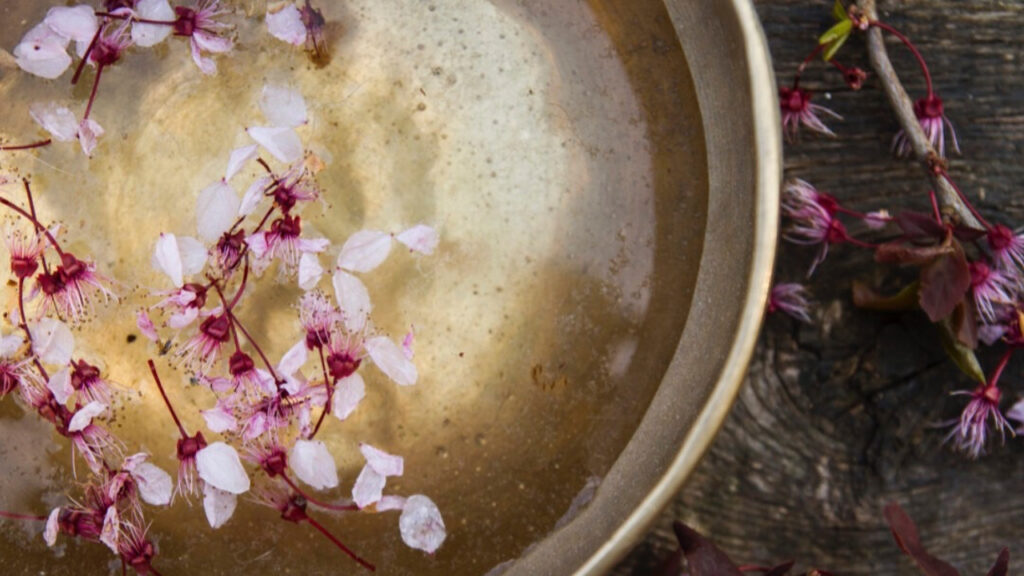
Yoni steaming—also known as vaginal steaming or V-steaming—is a beautiful, ancient practice that supports pelvic health, emotional healing, and nervous system regulation. While it’s often treated as a novelty or a spa trend, yoni steaming is truly a sacred ritual that’s been used across cultures to connect with the womb space, release tension, and invite healing on many levels. While I no longer offer in-office steams, I still believe deeply in the power of this practice and encourage anyone interested to try it at home. The good news? It’s simple, safe, and doesn’t require special equipment. Why Steam? Most of the physical symptoms we experience—like painful periods, pelvic tension, or hormonal imbalances—have deeper roots. Yoni steaming offers a gentle way to reconnect with your body, release stored emotions, and invite calm and balance back into your system. It’s also a lovely ritual of self-care, rest, and embodiment. You can steam monthly, seasonally, or as needed. If you menstruate, the best times to steam are around ovulation or a few days before your period. If you don’t menstruate, you can steam anytime—or let the moon cycle guide you. If you’re experiencing active symptoms or have specific concerns, I recommend consulting a practitioner to choose the right herbs and timing. How to Do a Yoni Steam at Home Step 1: Gather your toolsUse a bowl that fits inside your toilet or a sturdy steaming stool. Stainless steel or ceramic works well—just make sure it’s heat-safe and won’t tip over. Step 2: Choose your herbsAdd 1–2 tablespoons of each herb (see suggestions below) for a total of ¾ to 1 cup. Place them in the bowl. Step 3: Add boiling waterBoil about 2 quarts of water and pour it over the herbs in your bowl. Allow it to steep for a minute or two. Step 4: Prepare your spaceLower the toilet seat over the bowl (if using the toilet method). Sit down carefully and wrap yourself in warm blanketsto hold in the steam. Step 5: Relax and receiveSit for 20–30 minutes, or until the steam cools. Breathe deeply. Feel your pelvic bowl soften and your nervous system slow down. This is your time. Favorite Herbs for Steaming These herbs are generally well-tolerated and lovely for a gentle, all-purpose steam. Remember… Yoni steaming is not just a physical therapy—it’s a ceremony. A way to come back to your body, tend to your inner world, and reconnect with parts of yourself that may have been quiet for too long. If you’re curious, give it a try. Set aside the time. Make it a ritual.Your body is wise. Your healing is sacred. And your pelvic space deserves attention and care. Have questions or want to go deeper into pelvic healing work? Don’t hesitate to reach out.Explore the rest of my site to learn more about how I support both patients and coaching clients on their healing journeys.
A Patient’s Guide to Integrative Medicine
What it is, how it works, and why it might be exactly what you’ve been looking for Have you ever left a doctor’s office feeling like you weren’t really heard? Maybe your labs came back “normal,” but you still don’t feel like yourself. Or maybe you’ve been prescribed medications without much discussion about the bigger picture—your stress, your sleep, your diet, your cycle, your intuition. If you’ve been craving a different kind of care, you’re not alone. More and more people are turning to integrative medicine—an approach that honors the whole person and weaves together the best of modern science and natural healing. So what is integrative medicine, and how do you know if it’s right for you? What Is Integrative Medicine? Integrative medicine combines conventional Western medical practices with holistic therapies that support the body’s natural ability to heal. It’s not about choosing between “natural” or “medical.” It’s about finding the most effective, personalized combination of both. It also means we don’t just chase symptoms—we look for root causes. We ask deeper questions about how your body is functioning as a whole system, and we include your emotional, spiritual, and energetic health in the picture. How Is It Different From Conventional Care? In integrative medicine, you’re not a diagnosis or a checklist. You’re a whole person with a story that matters. Appointments are longer so we can truly listen. We talk about your lifestyle, stress levels, food patterns, menstrual cycle, relationships, and how you feel in your body. The goal isn’t just to manage symptoms—it’s to help you feel vibrant, clear, and connected again. What Does a Visit Look Like? A typical visit might include: You might also be introduced to practices that support nervous system regulation, pelvic bowl healing, or mind-body connection—depending on your goals. Who Is It For? Integrative medicine is for anyone who’s ready to feel better and take a more active role in their health. It’s especially helpful for people navigating: It’s also for anyone who simply wants a more thoughtful, personalized, and compassionate approach to care. What Can You Expect? You can expect to be listened to. You can expect that your body’s wisdom will be respected. You can expect a plan that makes sense for your life—not a cookie-cutter protocol. Healing is never one-size-fits-all. Your care should reflect you—your values, your rhythms, your goals.
The Rainbow Diet: Intuitive Eating, Colorful Healing

Have you ever stood in front of your fridge, unsure what to eat, wishing there were a simple way to make nourishing choices that felt good in your body and looked beautiful on your plate? Enter the Rainbow Diet—an intuitive, visually satisfying way of eating that’s rooted in both ancient healing traditions and modern nutritional science. Where the Rainbow Diet Comes From The idea of “eating the rainbow” has ancient roots. In Traditional Chinese Medicine and Ayurveda, color has long been tied to energy systems, emotional states, and organ health. In more recent decades, nutrition science began confirming that the color of a food often reflects the phytonutrients it contains—plant compounds that support immunity, reduce inflammation, and protect against disease. Dr. Deanna Minich, a functional medicine nutritionist and researcher, helped bring the Rainbow Diet into mainstream awareness by tying each color of plant-based food to a different physiological and energetic function—bridging science, spirituality, and food in a whole new way. The Color Spectrum of Healing Each color in the rainbow offers a unique gift to the body—and the more variety you get, the more complete your nourishment becomes: Making It Intuitive What makes the Rainbow Diet so powerful—especially from an integrative or functional medicine lens—is that it encourages body-led decision-making. Instead of counting calories, restricting carbs, or overthinking macros, you simply ask yourself what colors you’re missing. -Feeling sluggish? Add more reds and oranges.-Feeling ungrounded or scattered? Maybe you need more greens and earthy foods.-Low mood or brain fog? Try deep purples and blues. Eating this way brings you back into relationship with your body. It’s not just about nutrition—it’s about noticing, listening, and responding. How to Start Eating the Rainbow The Emotional + Energetic Side At The Flourish Center, we believe food is more than fuel. It’s energy. It’s medicine. It’s connection. Eating the rainbow supports not just the physical body, but also the emotional and spiritual layers of healing. Colors aren’t just nutrients—they’re vibrational. They resonate with different energy centers in the body (think: chakras, nervous system hubs, emotional themes). When you eat the full spectrum, you’re not just nourishing your cells—you’re restoring your whole system to balance and flow. Why It Works The Rainbow Diet works because it doesn’t ask you to fight your body. Instead of relying on willpower or external rules, it reconnects you with curiosity, creativity, and trust. And over time, those little colorful choices add up to real transformation. So the next time you’re planning a meal, ask yourself:What color is missing from my plate—and my life right now?Then go fill it in.
What Is Your Pelvic Bowl Trying to Tell You?
Most of us were never taught that our pelvic bowl holds wisdom. But it does—and it speaks. This deep, powerful space within you isn’t just physical—it’s energetic. It’s the foundation of your nervous system, your sense of belonging, your boundaries, your creativity, and your intuition. It’s where we store unprocessed experiences, emotional residue, and parts of ourselves that haven’t had the chance to fully land. In The FLOURISH Way™, we approach healing not by overriding the body with a new protocol—but by gently tuning in. And the pelvic bowl is often the very first place to listen. What Might Your Bowl Be Holding? Your pelvic bowl may be holding: You may not feel anything right away—and that’s okay. Listening takes time. Your body doesn’t speak in paragraphs; it speaks in sensation. A Simple Practice to Begin Listening Try this: Why This Matters When we reconnect to the pelvic bowl, we begin to reclaim: This isn’t just “bodywork”—it’s soulwork. Reconnecting to this sacred space supports healing on every level: physical, emotional, spiritual, and energetic. You don’t have to be perfect. You don’t have to have all the answers. You just have to be willing to listen. Today, let that be your wellness practice:Pause. Breathe. Listen.Your body already knows the way.