Cash Pay, Insurance, or Hybrid? Choosing the Right Model for Your Practice

One of the biggest decisions you’ll make when starting your own practice is how to get paid. Should you accept insurance? Go fully cash pay? Or find a balance between the two? There’s no one-size-fits-all answer—just the one that fits your goals, values, and the patients you want to serve. Let’s break down each model honestly so you can choose with clarity—not confusion. –Cash Pay (Private Pay) What it is: You set your rates, and patients pay you directly—no middlemen, no coding, no billing insurance. Pros: Cons: Best for: Boutique, integrative, lifestyle, or wellness-focused practices with a clear niche and a relationship-driven model. –Insurance-Based What it is: You contract with insurance companies, bill them for services, and accept negotiated rates. Pros: Cons: Best for: General primary care, behavioral health, and practices wanting broader reach with established systems. –Hybrid Model What it is: A blend of insurance and cash pay—either by offering different tiers of services, or accepting insurance for some visits and charging cash for others. Pros: Cons: Best for: NPs building toward autonomy while maintaining accessibility. Great for functional, integrative, or holistic practices. –How to Decide Ask yourself: There’s no wrong answer—only one that fits your mission and your patients. Want more real-world insight into how other NPs are structuring their practices?Join the conversation in our Facebook group, “Start Your Own Integrative Practice”—a community of like-minded APRNs navigating this path together. You don’t have to figure it all out alone.
Lifestyle Medicine: A Foundational Tool for Nurse Practitioners in Private Practice

As a nurse practitioner, you know the frustration of trying to manage chronic illness with short appointments, limited tools, and a growing sense that you’re putting out fires rather than helping patients truly heal. If you’ve ever felt like the traditional model doesn’t align with your calling, you’re not alone—and there is another way. Lifestyle Medicine offers a path forward that aligns deeply with the heart of why many NPs go into practice in the first place: to treat the whole person, to work upstream of disease, and to empower sustainable healing. Lifestyle Medicine is an evidence-based medical specialty that uses therapeutic lifestyle change as a primary treatment—not just an afterthought. It addresses the root causes of chronic illness through six interconnected pillars: -whole-food, plant-predominant nutrition -regular physical activity -stress management -restorative sleep -meaningful social connection -avoidance of risky substances When practiced with intention, this approach doesn’t just help manage conditions like type 2 diabetes, cardiovascular disease, and obesity—it can often reverse them. For nurse practitioners building (or dreaming of building) their own private practice, Lifestyle Medicine is more than a clinical approach—it’s a framework for leadership in the healthcare revolution. It gives you the tools to move beyond symptom management and into root-cause care. It invites you to structure your practice in a way that supports time-rich visits, patient education, and whole-person transformation—not just checkboxes and prescriptions. It also allows you to claim your role as a guide, not just a provider. To create space for group visits, coaching, education, and continuity that’s built on relationship and trust. Lifestyle Medicine integrates seamlessly with integrative, functional, and holistic models of care. And for many of Jen Owen’s mentees, it becomes the grounding philosophy that brings clarity to their vision and structure to their offerings. If you’re building your own practice—or even just starting to imagine it—consider how Lifestyle Medicine can be part of your foundation. It’s science-backed, patient-centered, and deeply aligned with the mission so many NPs hold: to truly help people heal.
Opening Your Own Practice: It Doesn’t Have to Look Like Everyone Else’s

When most nurse practitioners imagine opening a practice, they think of a standard primary care clinic: several exam rooms, a receptionist, insurance billing, and a full schedule of back-to-back patients. That model works for many, but it’s far from the only option. Owning your own practice means you get to design it around your strengths, interests, and lifestyle. You can choose a business model that supports the kind of care you want to give — and the life you want to live. Here are five distinct types of NP-owned practices, each with its own structure, benefits, and patient experience: 1. Concierge or Membership-Based Practices 2. Telehealth-Only or Hybrid Practices 3. Integrative and Holistic Health Clinics 4. Coaching, Groups, and Programs 5. Specialty-Focused Practices The truth is: there’s no one right way to open a practice. Whether you’re building a micro-clinic, a virtual wellness brand, or a membership model with retreats, what matters most is that it reflects you. This is the heart of the mentorship I offer through The Flourish Way™. Whether you’re still dreaming or ready to launch, I’m here to help you design a business that aligns with your values and goals. You don’t have to follow someone else’s blueprint. You get to create something that fits.
Private Practice for Nurse Practitioners: Where You Can Work Independently

One of the most common questions I get from other nurse practitioners is: “Can I start my own private practice in my state?” The answer depends on where you live. State laws around nurse practitioner (NP) practice authority vary—some states give NPs full independence, while others require a formal agreement with a physician. I’ve experienced this firsthand. When I practiced in Indiana, I needed a collaborative agreement with a physician in order to prescribe and operate a private practice. It worked, but it came with extra hoops—more paperwork, more limitations, and less freedom to fully design my practice. When I moved to Oregon, everything changed. Oregon is a full practice authority state, which means I’m licensed to evaluate, diagnose, treat, and prescribe without physician oversight. Now I run my own integrative health practice independently, and that shift has been completely transformational for how I work and care for others. 🩺 Understanding Practice Authority for NPs Here’s a quick breakdown of how states categorize NP practice authority: Why Where You Practice Matters If you’re dreaming about starting your own practice, it’s essential to understand your state’s regulations. Even the most skilled and experienced NP can be held back by laws that limit our scope. In full practice states, we can fully step into the role of independent providers—designing care that’s creative, patient-centered, and aligned with our values. That said, you can absolutely build a thriving private practice in a reduced practice state. It requires a bit more intention on the front end, but if you can form a strong, respectful relationship with a collaborative physician, it can work beautifully. Many successful NPs run practices in these states—they just take the extra step to create clear agreements and mutual trust with their collaborators. Moving from Indiana to Oregon didn’t just mean a change of scenery—it gave me the freedom to build a practice that truly reflects who I am. I’ve never felt more aligned, both personally and professionally. Thinking About Going Independent? If you’re an NP who’s wondering what’s possible for your own future, I encourage you to check your state’s laws—and don’t be afraid to dream bigger. Whether you’re in a full, reduced, or restricted practice state, there are always ways forward. And if you’re looking for support, I’d love to share what I’ve learned.Helping other NPs step into their own private practice is one of my greatest joys. Reach out anytime.
Burnout in Nurse Practitioners: Why Private Practice Might Be the Antidote

Burnout is becoming more common in healthcare—and nurse practitioners are feeling it, too. A 2024 Medscape survey found that 37% of NPs reported feeling burned out, and another 28% said they were both burned out and depressed. These aren’t just numbers—they’re real people trying to do meaningful work while being stretched too thin. The biggest causes of burnout for NPs? Too much admin work, high patient loads, and a lack of autonomy. Many employed NPs spend more time wrestling with EMRs and productivity targets than connecting with patients. In large healthcare systems, there’s little room to shape your own pace, priorities, or workflow. You’re expected to fit into the system—even when it doesn’t work for you. But here’s the good news: it doesn’t have to be that way. In small, independent practices, burnout rates drop dramatically—to just 13.5%. That’s a huge difference. Why? Because NPs in private practice have something they often lack in employed roles: control. When you run your own practice—or work in a small, NP-led clinic—you get to decide how your day looks. You choose how many patients you see, how long your visits last, and what kind of care you provide. You can build a workday that supports your wellbeing, not just your to-do list. You can create a calm environment, pick your own EMR, and hire staff that align with your values. The work isn’t necessarily easier—but it’s yours. Yes, private practice comes with its own set of challenges. You have to manage a business, handle expenses, and build a client base. But for many NPs, those responsibilities feel more meaningful than draining. You’re not stuck in someone else’s system—you’re creating your own. If you’re feeling exhausted, disconnected, or just done with the grind, private practice might be the reset you need. It’s more than a career move—it’s a way to reclaim your energy, purpose, and peace. With the right support and guidance, you can absolutely build something sustainable. Burnout is real—but so is the possibility of thriving. You don’t have to keep pouring from an empty cup. There’s another way.
Your Nervous System is a Business Tool (Yes, Really)

Let’s talk about something that doesn’t show up on your business plan, but affects everything you do: your nervous system. If you’re building or growing your own practice, you’re probably juggling marketing, client care, scheduling, documentation, finances—and maybe even a few late-night Google searches about taxes or LLCs. The pace can be intense. And most of us were trained to power through, to “stay professional,” and to keep going no matter what. But your body has a limit. And when your nervous system is in survival mode, your business feels harder than it has to. Calm drives clarity. If you’ve ever felt stuck, scattered, or overwhelmed by simple decisions, it’s not because you’re doing something wrong. That’s what happens when your nervous system is dysregulated. Fight, flight, or freeze responses don’t just show up in emergencies—they can show up when you’re trying to send an email, post on Instagram, or price your services. Simple grounding practices—like deep breathing, stepping outside, or just placing a hand on your chest—can shift your body out of reactivity and into clarity. You don’t need hours. You need intention. Visibility needs safety. Running your own practice requires visibility. And visibility can feel vulnerable. If you’ve ever avoided showing your face online, hesitated to speak publicly, or put off launching something new—it might not be fear of failure. It might be a nervous system that doesn’t yet feel safe being seen. This isn’t about pushing through. It’s about creating safety first, then taking aligned action. Your body will thank you—and your audience will feel the difference. Regulate first. Then take the next step. Try this experiment: before your next business task, pause. Check in with your body. Ask, “What would make this feel more supported?” A breath? A stretch? A moment of quiet? You don’t have to “earn” rest or regulation. You can build it into your workday, just like any other tool. The more you do, the more sustainable—and fulfilling—your business becomes. Your nervous system isn’t a barrier. It’s a guide. When you work with it instead of against it, everything starts to flow a little easier.
From Employee to Entrepreneur: Making the Mental Shift
When I left my job to start my own practice, I thought the hardest part would be logistics—figuring out business licenses, payment systems, where to see clients. And sure, those things took time. But honestly? The hardest part was shifting how I thought about myself. I was used to being the “good employee”—productive, efficient, well-liked, compliant. I knew how to function inside a system. I didn’t know how to function outside one. That meant I had to start building trust in myself—not just as a provider, but as a decision-maker. I had to give myself permission to do things differently, to move slower, to say no to things that didn’t align, even when they looked “smart” on paper. I had to start practicing something I hadn’t been taught in school: how to run things based on intuition, integrity, and impact, not just rules and reimbursement codes. Entrepreneurship asks something totally different from you than employment does. It asks for vision. It asks for courage. It asks for rest. It asks for you to let go of pleasing people and start pleasing your purpose. It can feel awkward at first. You might question your value without a paycheck or title. You might feel guilt when your days look different from your peers. You might feel scared when no one is telling you you’re doing it right. But here’s what I’ve learned: no one’s going to hand you the confidence to do it. You build it by doing the thing. One clear choice at a time. One quiet boundary at a time. One aligned offering at a time. If you’re standing on that edge—still in your job, but dreaming of something more—know this: the mental shift is real, and it’s worth it. You don’t have to do it all at once. It’s not a leap; it’s a series of small, brave steps. And the first one? Believing that your practice is allowed to look different.
Owning Your Own Practice…Priceless

You know those old commercials where they’d list a few things with a price tag—“Shoes: $89. Dinner for two: $60”—and then end with something like, “Time with your loved ones? Priceless.” That’s exactly how I feel about owning my own integrative medicine practice. Yes, there are startup costs, and yes, it requires courage. But the freedom to practice on your terms, the flexibility to take care of yourself and your family, and the deep, unrushed relationships you get to build with patients—those things are beyond value. I’ve talked to hundreds of APRNs who want to go out on their own but feel paralyzed by fear. Fear of failure. Fear of not knowing enough. Fear of not being “ready.” What I’ve seen over and over again is that success doesn’t start with a perfect business plan—it starts with mindset. The shift happens when you stop asking, “What if I fail?” and start asking, “What if this works?” You don’t need to start big, and you don’t need to have every detail figured out. You just need to get clear on why you want this—and begin. If your current job feels like it’s draining your soul, if you feel like your knowledge and compassion are being wasted, or if there’s a quiet voice inside you that keeps whispering “there’s more,” listen. Your future patients are out there. They’re waiting for care that feels like a conversation, not a checklist. And the life you want to live—the one where you get to show up fully, for them and for yourself—that life is possible. And it’s priceless.
Functional vs. Integrative: What’s the Difference?
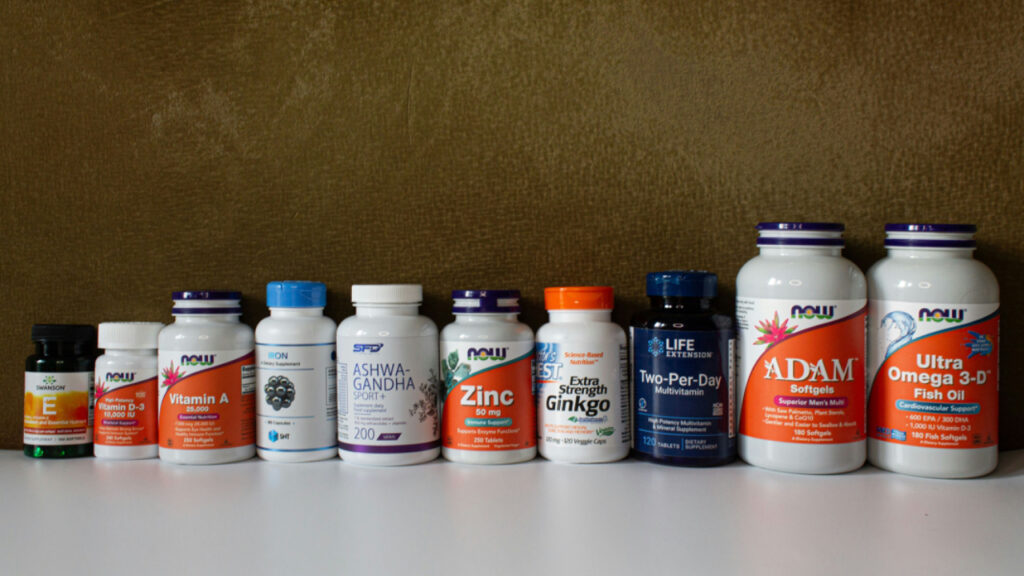
Beyond protocols—into real care. A recent conversation in our community brought something back into focus for me—something I’ve been living and teaching for years: the difference between Functional and Integrative Medicine. Functional Medicine is buzzy right now. It’s structured, lab-driven, and often rooted in supplements and protocols. There’s real value in that model—I received excellent Functional Medicine training early in my career, and it taught me a lot about how to think systematically and support the body at a root-cause level. But even back then, I noticed something missing. And I still see it today. Too often, Functional Medicine forgets the whole person. It can become a series of test results and supplement regimens—missing the nuance of someone’s life, the context of their symptoms, and the healing power of connection, story, and support. It might skip over food, stress, relationships, trauma, joy, and even the nervous system. That’s where Integrative Medicine shines. Integrative care is flexible and deeply personal. It’s about meeting the person in front of you. For one client, that might include labs and supplements. For another, it might look like breathwork, journaling, therapy, nervous system regulation, or a shift in mindset. Sometimes it’s spiritual. Sometimes it’s relational. Sometimes it’s as simple (and profound) as giving someone hope. It’s not about the perfect protocol—it’s about helping people heal in a way that actually fits their lives. If you’re an APRN feeling called to practice in a different way, don’t wait until you’ve collected every certification or built a perfect plan. Integrative care starts with how you listen, how you show up, and how you support healing beyond symptoms.