Building the Mindset of an Entrepreneur
When I first stepped into private practice, I thought the biggest challenges would be logistical — setting up systems, finding patients, keeping up with charting. What I didn’t realize was that the hardest (and most transformative) part would be internal: learning to think like an entrepreneur. No one teaches you that in NP school. We’re trained to follow evidence, protocols, and structure. But once you open your own practice, there’s no supervisor to sign off on your plan. You are the plan. The rules are the ones you create — and that shift can feel both terrifying and liberating. Over time, I learned that success in private practice isn’t just about clinical skill or marketing strategy. It’s about mindset. When you start thinking like a business owner, everything changes — your confidence, your boundaries, your decision-making, and ultimately, your results. Here are a few of the mindset shifts that changed everything for me — and for many of the NPs I mentor. 1. From Employee to Visionary As a clinician, you’re used to operating within a system someone else built. You follow procedures, meet expectations, and often carry the weight of decisions made by others. But as an entrepreneur, you are the system. You get to decide what healthcare looks like inside your practice — what you’ll offer, who you’ll serve, how you’ll show up. That means your creativity and clarity matter as much as your credentials. You’re no longer “just” providing care; you’re shaping an experience. And that’s incredibly empowering once you let yourself step into it. 2. From Perfectionism to Progress Perfectionism feels safe — but it’s also paralyzing. I’ve seen so many NPs wait until they feel 100% ready before launching or growing their practice. But entrepreneurship doesn’t reward waiting. It rewards momentum. The truth is, you learn by doing. Every imperfect action teaches you more than another month of planning ever could. Instead of asking, “Is this perfect?” ask, “Does this move me forward?” That’s the question that gets you unstuck. 3. From Self-Doubt to Self-Trust When you leave an established system, it’s natural to feel uncertain. There’s no HR department, no medical director, no one telling you if you’re “doing it right.” But this is where the real growth happens — when you start listening to your own intuition. You know more than you think you do. You’ve spent years developing clinical instincts, empathy, and wisdom — and all of that applies to business, too. The more you practice self-trust, the more ease you’ll feel in every decision, from setting your rates to turning away misaligned patients. 4. From Hustle to Alignment Entrepreneurship doesn’t have to mean burnout. You didn’t leave one broken system just to recreate it under your own name. Your practice should serve you as much as it serves your patients. That means building in rest, clarity, and intention — creating a business that reflects your values, your energy, and your life. True success isn’t just about full books or big numbers. It’s about waking up excited to do the work you’ve built for yourself. The Mindset Behind the Mission Every thriving NP practice I’ve seen has one thing in common: an owner who believes in their own vision. Skills can be learned, systems can be built, but mindset is the foundation everything else rests on. If you’re feeling that pull — to step fully into your role as both healer and entrepreneur — you’re not alone. You’re standing at the edge of something incredible. Ready to grow your confidence, structure, and mindset as a practice owner?I’d love to help you make the leap with clarity and support through one-on-one mentorship or group coaching. Let’s build a practice that truly lets you flourish.
Why Healing Starts with Letting Go

So often when we’re searching for healing, we think the answer lies in doing more — taking another supplement, reading another book, adding another self-care routine. But in my experience, healing rarely begins with doing. It begins with letting go. Letting go means releasing the beliefs, expectations, and emotional weight that have been keeping you from feeling like yourself. Before we can restore and replenish our energy, we have to unwind the layers of tension, guilt, and self-pressure that block our natural flow. This is the first phase of The FLOURISH Way™ — Unwind & Unlearn — and it’s where transformation truly begins. Unwinding What No Longer Serves You Throughout our lives, we collect so many things that don’t belong to us — other people’s opinions, family expectations, cultural “shoulds,” even patterns we once needed to stay safe. Over time, these become heavy layers that cloud our ability to hear our own truth. Unwinding is the process of noticing what’s no longer yours to carry and allowing it to leave your body and mind. That might mean releasing resentment, perfectionism, or an old coping mechanism that once helped but now keeps you stuck. Letting go doesn’t mean pretending the past didn’t happen. It means acknowledging it, honoring what it taught you, and creating space for something new to grow. The Body’s Language of Release Your body is always communicating with you — through energy, through sensation, through emotion. When we don’t listen, those signals often become louder and show up as physical symptoms: tension, fatigue, headaches, digestive issues, or insomnia. In my work, I’ve found that many of these symptoms are messages from deeper emotional or spiritual places. When we listen — instead of trying to silence or fix them — our bodies begin to relax and heal naturally. Letting go might look like unclenching your jaw, taking three slow breaths before reacting, or simply giving yourself permission to rest. Each small act of release tells your body, “I’m safe now.” Curiosity Over Judgment One of the most powerful tools for healing is curiosity. When we meet our pain or our patterns with curiosity instead of judgment, we open a door. Instead of asking, “Why can’t I get over this?” try asking, “What might this be trying to show me?”Instead of scolding yourself for returning to old habits, ask, “What need was this meeting for me?” Curiosity softens resistance and invites compassion. It helps you see that even the parts of yourself you want to change were doing their best to protect you. When you understand that, real release becomes possible. Creating Space for Renewal Once we let go of what’s weighing us down, we create space to restore and replenish — the next phase of The FLOURISH Way™. Healing isn’t just about removing pain; it’s about filling that new space with nourishment, joy, and connection. Like a garden, the body needs clearing before it can grow. When we release the old, our energy can finally flow toward renewal. Simple Ways to Begin Letting Go If you’re ready to begin, start small: – Breathe deeply. Each exhale helps the body release tension and invites calm.– Move gently. Walk, stretch, dance — movement helps stagnant energy flow again.– Write it out. Journaling transforms rumination into understanding.– Practice forgiveness. Try saying: “I love you, I’m sorry, please forgive me, I forgive myself, thank you.”– Connect with nature. Let the earth remind you how to ground and release. Each small act of letting go is a signal to your body that you are safe, supported, and ready to heal. Coming Home to Yourself Healing isn’t about becoming someone new. It’s about returning to who you’ve always been underneath the layers. When we release the expectations, fears, and old beliefs that don’t serve us, we make room for peace, vitality, and purpose to return. The real you has always been there — she’s simply waiting to breathe again. If this message resonates with you, I’d love to support you on your healing journey. Reach out to work with me at theflourishcenter.co , and sign up for my newsletter at the bottom of the page to receive more insights and inspiration from The FLOURISH Way™.
Integrative Medicine Isn’t “Woo”—It’s the Future
For years, the phrase integrative medicine has been met with skepticism — as if it meant trading in science for sage sticks. But those of us practicing on the front lines of healthcare know the truth: integrative medicine is not a fringe idea. It’s a necessary evolution in how we understand and deliver care. The days of separating “body” and “mind,” or “medicine” and “lifestyle,” are numbered — because the research, the outcomes, and the patient demand all point in the same direction. What Integrative Medicine Actually Is Integrative medicine is not alternative medicine. It’s a framework that integrates evidence-based conventional medicine with complementary approaches that address the physical, emotional, and energetic roots of disease.It’s what happens when we ask, “What is this symptom trying to communicate?” instead of just, “How do I make it go away?” An integrative approach might mean prescribing a blood pressure medication and addressing the patient’s chronic stress response. It might mean balancing thyroid function with medication and optimizing nutrient intake, gut health, and sleep patterns. It means looking at the interconnected web of biology, lifestyle, trauma, and belief — because they all influence health outcomes. The World Health Organization, the NIH, and major medical centers (like Mayo Clinic and Cleveland Clinic) now recognize the legitimacy and impact of integrative approaches. We’re no longer talking about incense and intuition — we’re talking about nervous system regulation, inflammation pathways, microbiome science, and functional nutrition. The Science Behind “Whole-Person” Medicine What once seemed “alternative” is now supported by an ever-growing body of research. Integrative medicine brings these evidence-based modalities into daily practice — not to replace pharmaceuticals, but to complement them and make them more effective. Why Nurse Practitioners Are Uniquely Suited to Lead This Shift Nurse Practitioners are already trained to see patients through a holistic lens. We listen deeply, educate constantly, and care beyond the chart. That’s the essence of integrative medicine — connection, curiosity, and compassion backed by science. We are not technicians of disease; we are facilitators of healing.And that shift in identity — from “fixing” to facilitating — is one of the most powerful ways NPs can change healthcare. As integrative leaders, we can: This is not about abandoning what we learned in school; it’s about expanding it. Integrative Medicine Is the Future — and It Needs You Patients are hungry for this kind of care. They’re tired of being told that everything looks “normal” when they still feel unwell. They’re searching for practitioners who can explain why things are happening and who will work with them, not just on them. That’s where you come in.You have the opportunity to bridge the best of both worlds — to use your training, intuition, and compassion to guide people toward true, lasting health. Integrative medicine isn’t just the future; it’s the return to what medicine was always meant to be: human, whole, and healing. So the next time someone calls integrative medicine “woo,” smile — because you’ll know it’s actually the most grounded, evidence-supported approach we have. The science is catching up to what your intuition already knows: when we treat the whole person, we heal in ways that last. If you’d like to work with me — whether you’re building confidence as a new NP, exploring integrative practice, or starting your own business — don’t hesitate to reach out. I’d love to support you on your journey.
Planting Seeds of Intention: The Art of Flourishing from Within
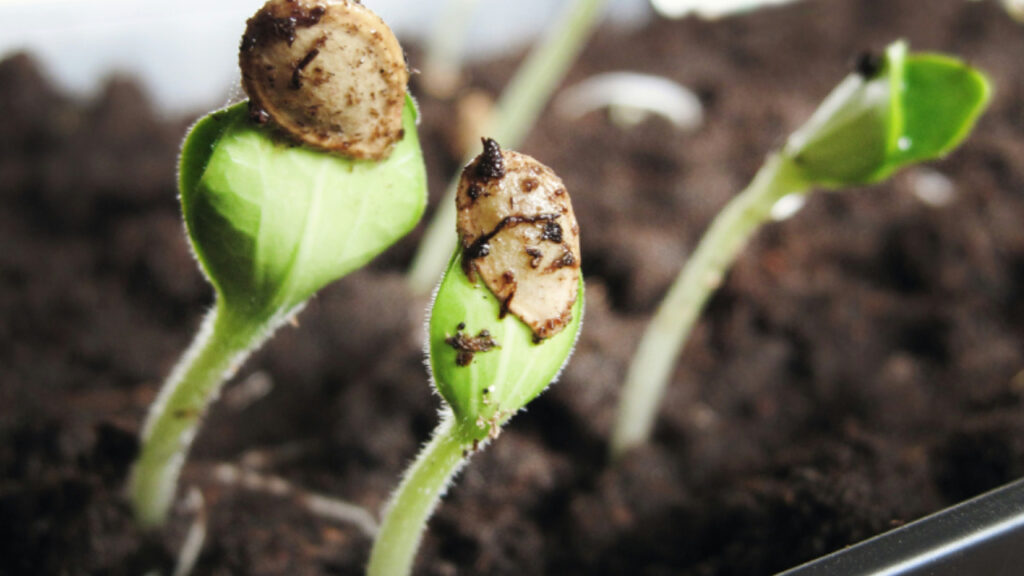
We often think of change as something that happens from the outside—new routines, new diets, new habits. But real, sustainable transformation begins deep within. It begins with a seed. In The FLOURISH Way™, we talk about the power of planting intentions inside your own energetic soil—the pelvic bowl. This is not just symbolic; it’s a practice of aligning your body’s wisdom with your soul’s deepest desires. Each of us carries a creative center, the part of us that receives, nurtures, and ultimately gives life to new ideas, dreams, and expressions of who we are. Just as the uterus receives and releases, our energetic bowl holds the potential to receive and release as well—whether or not we have a physical uterus. When we intentionally “plant seeds” here, we’re signaling to the body and universe that we’re ready to grow something new. Why Intentions Work Better Than Resolutions Resolutions tend to come from the mind: “I should lose weight.” “I should meditate every day.” But intentions grow from the heart. They’re softer, more fluid, and far more sustainable because they honor your inner rhythms rather than forcing change from the outside in. Intentions are rooted in how you want to feel, not what you think you should accomplish. Instead of “I want to exercise more,” try “I intend to feel strong, flexible, and grounded in my body.” That energy invites possibility rather than pressure. When you plant intentions with emotional truth and embodied awareness, they take root naturally. You’ll find yourself making aligned choices without needing to “force” them—just as a seed doesn’t have to force itself to grow. A Ritual for Planting Your Seeds Find a quiet space where you won’t be interrupted. Take a few slow, grounding breaths and bring your awareness to the center of your pelvis. Imagine your pelvic bowl as a fertile garden of rich, warm soil. This is the energetic space that holds your creativity, safety, and power. Now, gently place your hands over this area and ask yourself: “What am I ready to cultivate?”“What qualities, experiences, or feelings do I want to grow in my life?” Let one or two clear intentions arise—don’t overthink them. Perhaps it’s ease, trust, vitality, or abundance. Visualize planting these seeds along the lining of your inner bowl, tucking them in with love. See them glowing softly, nourished by your breath and warmth. You might even whisper, “I am sacred. I am blessed,” the blessing from The FLOURISH Way™ meditations, sealing your intentions in gratitude and reverence. Nurturing What You’ve Planted Seeds don’t bloom overnight. They need warmth, light, and patience. Your role is to tend the garden—not to dig up the seeds every day to check if they’re growing. That means living in alignment with your intentions: acting, speaking, and thinking in ways that support them. If your intention is to feel calm, pause before saying yes to another obligation. If your intention is to feel vibrant, choose meals, movement, and rest that support your energy. Small, consistent nurturing—paired with grace when you falter—is what helps your intentions take root. As you continue this practice, notice what starts to shift. You might see new opportunities appear, relationships deepen, or old fears fall away. Like any living thing, your intentions evolve with you. Keep revisiting your garden, planting new seeds as you grow and harvesting the wisdom of what’s ready to bloom. The Beauty of the Bloom Planting seeds of intention is both mystical and practical. It bridges the body’s wisdom with the soul’s purpose and transforms wellness into a living, breathing process. When you plant from a place of grounded self-love, your life starts to flourish—not because you forced it, but because you remembered that growth is your natural state. So today, take a deep breath, put your hands over your belly, and plant one sacred seed for yourself. Water it with attention, patience, and kindness. Trust that it knows how to grow. If this message resonates with you, I invite you to explore my site to learn more about my offerings—from holistic care and pelvic bowl healing to integrative coaching and mentorship. Don’t hesitate to reach out if you feel called to work with me. I’d love to support you as you plant and nurture your own seeds of transformation.
Avoiding Burnout in Private Practice: Real-World Guidance for NPs

Burnout isn’t about personal toughness. It’s what happens when the work your practice requires consistently exceeds the energy, time, and support you actually have. In private practice, that mismatch often hides in plain sight: invisible admin work, open-ended messaging, unclear scope, and a money model that asks you to do more than it pays for. This is a grounded, no-gimmicks guide. No rigid templates. No magic apps. Just the big levers that move stress down and sustainability up—so you can keep doing work you’re proud of without losing yourself. What burnout looks like (so you can catch it early) If that sounds familiar most weeks, the system needs adjustment—not your willpower. Why private practice quietly burns people out You don’t have to overhaul everything. You do need to make these pressures visible and pick a few levers to pull. The levers that matter (and what changes when you pull them) 1) Boundaries around communication (that still feel caring) The problem: Messages expand to fill all available space.What helps: Make your response window and appropriate channels clear (on your site, intake materials, and auto-reply). Offer easy ways to book a brief check-in when an issue needs more than back-and-forth. What to expect if you do this: Indicators it’s working: Message time feels contained; you’re not “peeking” at night. 2) Documentation you can actually complete the same day The problem: Notes accumulate when visit length, complexity, or systems don’t match reality.What helps: Capture the essentials during the visit (bullets are fine), reuse language you teach all the time, and standardize order sets where you can. What to expect if you do this: Indicators it’s working: Most notes closed before you leave; you feel “caught up” most days. 3) Scope clarity (decide what you do and don’t treat) The problem: Every edge case becomes a heavy lift.What helps: Publish your focus areas; keep a short, trusted referral list for what’s outside your lane. What to expect if you do this: Indicators it’s working: You feel relief and confidence when intakes match your lane. 4) Money that matches the work The problem: You’re doing significant non-visit work your pricing or payer mix doesn’t support.What helps: Know your “enough” number; price visits and offerings to include admin time; keep plans that reimburse fairly and sunset those that chronically don’t; consider simple programs for complex care with pre-planned touchpoints. What to expect if you do this: Indicators it’s working: Income stabilizes without increasing daily volume. 5) Light support, earlier than you think The problem: You’re doing everything because hiring feels “too big.”What helps: Start with a few hours a week (MA/VA/scribe). Offload chart prep, forms/letters, refills by protocol, prior auths, result routing, scheduling, and payments. What to expect if you do this: Indicators it’s working: You notice your attention returning to the part of practice you love. 6) Community and consultation The problem: Going solo with hard cases and business questions is draining.What helps: A small, consistent consultation circle (monthly works) and mentors you can text when stuck. What to expect if you do this: Indicators it’s working: You leave consults lighter and clearer, not heavier. Real-life tradeoffs (so changes feel honest, not idealized) You’re choosing which problems you want—pick the set that supports your health and the care you want to deliver. What to watch (simple signals, not a dashboard) If any answer is “no” for a couple of weeks, choose one lever above and adjust—visit length, payer mix/pricing, messaging boundaries, or light support. You don’t need ten changes; you need one that addresses the real pressure point. If you’re already close to burnout Final word Sustainable practice isn’t about squeezing more out of yourself—it’s about designing work that matches real human capacity. Put clear edges around communication, make documentation finishable, work inside a defined scope, align money with actual work, ask for light help sooner, and stay connected to peers. Most clinicians feel relief quickly with just those shifts. If you’d like support applying this to your specific practice—policies that sound like you, pricing that makes sense, and right-sized systems—I’d love to help. Reach out if you’d like to work with me.
Community: The Missing Piece of Our Health

When we think of health, most people picture food, exercise, or maybe managing stress. Those matter, of course—but in my decades of practice, I’ve seen something just as powerful and often overlooked: community. We are wired for connection. From the moment we’re born, our nervous systems develop through being seen, soothed, and supported. When we feel safe with others, our bodies shift out of stress mode and into healing mode. Community helps regulate our emotions, boosts resilience, and lowers the burden on our bodies. In contrast, isolation often leads to disconnection, anxiety, and eventually, physical symptoms. What starts as loneliness can show up later as fatigue, pain, or illness. Why Community Heals In The Flourish Way™, I teach that true wellness goes beyond the physical body—it includes our mental, emotional, spiritual, and social selves. Community is the bridge between all of these. Healing isn’t linear, and it isn’t meant to be solitary. Working in groups—whether in therapy, classes, circles, or simply with supportive friends—creates co-regulation. Your nervous system learns safety by being with others who offer compassion and presence. When We Resist Connection Many of us hesitate to lean into community. Maybe we’ve been hurt, judged, or felt unseen. Sometimes we slip into protective patterns—going it alone, numbing out, or convincing ourselves we “should” be able to handle everything. But isolation keeps us stuck. What we often need most is precisely what feels most vulnerable: allowing others to witness us. This isn’t about comparison—healing together isn’t a race. Someone else’s progress doesn’t diminish yours. In fact, being in community expands what’s possible. You may hear someone share their truth and suddenly realize, “That’s my story too.” That recognition alone is healing. Flourishing Together To flourish is to live fully in all seven areas of life: physical, mental, emotional, spiritual, social, sexual, and financial. Community touches each one. It supports accountability in healthy habits, helps us navigate work and money stress, encourages authentic boundaries and self-expression, and nourishes our spirit. Community also reminds us that we don’t have to do this alone. The myth of self-reliance runs deep, but true strength comes from reciprocity—giving and receiving support. When we surround ourselves with people who are committed to growth, we expand and emerge into the best versions of ourselves. A Gentle Invitation If you’ve been craving more balance, more joy, or more meaning, ask yourself: What role does community play in my life right now? Do you have spaces where you can show up as your full self, without judgment? If not, this may be the missing medicine. Because when one of us flourishes, it gives permission for all of us to flourish. If this resonates, reach out—I’d love to work with you.
Ask Directly (Clear & Kind Wins)

Some of the biggest shifts in stress, relationships, and daily ease come from one small habit: asking directly. Not hinting. Not hoping someone reads your mind. A clear, kind ask. We avoid direct asks for all sorts of reasons—worry about being “pushy,” fear of burdening others, or the belief that our needs are obvious. Here’s the truth: when you make a simple, respectful request, people say yes far more often than you think. And even when they can’t, you get clarity instead of anxiety. Below is a practical, non-workshoppy guide you can use today. The Clear & Kind Formula 1) Name one need.Take 20 seconds: what exactly do you want? Pick one thing. 2) Say it plainly. “Could you [specific action] by [time]?” One sentence beats five paragraphs. No apology blanket needed. 3) Add a tiny “why.” “It would help me feel less rushed,” or “That lets me finish this tonight.” Context builds cooperation—keep it to a line. 4) Offer a simple choice (optional). “Would Wednesday or Thursday work?” A little autonomy, zero confusion. 5) Welcome ‘no.’A real ask allows a real answer. If it’s no, you can choose Plan B without stewing. Real-Life Examples (what it actually sounds like) Home & Relationships Friends & Community Work (general, not clinical) Services & Appointments Direct ≠ Harsh You can be clear and warm. Try friendly openers: And closers that keep connection: If Asking Feels Scary Teach People How to Ask You, Too Model it and invite it: Clarity is a kindness—for everyone involved. The Takeaway Clear + kind beats vague + hopeful. Say what you need in one sentence, add a tiny why, and let people respond. Most of the time you’ll get a yes; every time you’ll get relief. Explore my site to learn more about my offerings—I’d love to work with you.
Attack Quarter 4: A Simple, Practical Plan for Busy NPs
It’s September, and Q4 starts on October 1—less than a month away. This is the moment to map how you’re going to kill it this year. Use this as inspiration and a calm, doable plan. If it sparks a different idea that fits your practice better, go for it. The best way to enter Q1 strong is to have an amazing Q4. Below are four moves—a couple general, a couple specific—designed to fill your calendar without burning you out. 1) Pick One Focus for the Season (General) Choose the single service you most want on your schedule Oct–Dec. Give it a clear name and a one-sentence promise. This week: write the one-sentence promise and add it to your site/booking page. 2) Host One Small Group Session (Specific) Run a friendly 60–75 minute session in October or early November. Teach once, help many, and let it lead to 1:1 visits. This week: pick the topic/date and draft a 3-line invite. 3) Make One Referral Friendship (Specific) Pick one complementary clinician and be each other’s go-to this season. This week: DM/email one person and book a 15-minute intro chat. 4) Post Hours & Boundaries Now (General) Save your December sanity by sharing logistics before the rush. Friendly line to use everywhere: “For your safety and privacy, I don’t give medical advice by DM. Please use the patient portal or book a visit.” This week: publish a short “Fall Hours & How to Reach Us” note on your site and socials. Tiny Scorecard (optional but helpful) Glance at four numbers each week: new inquiries, booked intakes, show rate, next-step bookings.If one stalls for two weeks, change one thing (subject line, CTA, day/time) and try again. Final Word Follow this as a playbook—or use it for inspiration to make your own killer plan. But remember: this is nothing compared to what I can do for you as your coach. I will take you to another level. Explore my site to learn more about my offerings.
Breaking Free from O.P.P. (Other People’s Points of View)

We don’t often realize how much of our life is shaped by other people’s points of view (O.P.P.). From childhood, we absorb what parents, teachers, and society say about who we should be, how we should act, and what success looks like. These voices sink in so deeply that we often mistake them for our own. Over time, O.P.P. can cloud our choices, create stress, and even lead to physical symptoms in the body. One of the most powerful examples comes from the life of Vincent van Gogh. While today he’s celebrated as one of the greatest artists in history, in his own lifetime he was dismissed, criticized, and even ridiculed. Van Gogh sold only one painting while he was alive. Much of the world’s opinion told him he was a failure. But he kept painting anyway. His passion, his inner knowing, guided him far more strongly than O.P.P. ever could. Imagine if he had stopped creating because he believed what others thought — we would have lost Starry Night, Sunflowers, and so much more. The truth is, you don’t have to be a genius painter to face this same crossroads. Every day, you carry beliefs and habits that may not even be yours. Maybe you were told you’re “not athletic,” so you avoid movement even though your body craves it. Maybe you were told money is always a struggle, so you unconsciously sabotage financial growth. Maybe you still hear the old voice that says “you’re too much” or “not enough.” Those aren’t truths — they’re O.P.P. In my own work with patients, I see this all the time. Someone comes in thinking their main issue is stress or fatigue, but when we dig deeper, we discover the root isn’t just physical. Often, it’s the invisible weight of living under other people’s expectations. That constant pressure eventually shows up in the body as symptoms — insomnia, digestive issues, hormone imbalance, or simply a lack of joy. The first step in breaking free from O.P.P. is awareness. Start noticing: Whose voice is that? Is it truly yours, or something you picked up along the way? The second step is curiosity, not judgment. Ask yourself what you’ve been getting out of holding onto that belief — maybe protection, maybe approval, maybe safety. Then gently begin to release it, the same way van Gogh released the world’s opinion every time he picked up a brush. When you let go of O.P.P., you create space for your own point of view — your body’s wisdom, your spirit’s voice, your unique path. And that’s where true health and flourishing begin. So this week, I invite you to notice one O.P.P. that’s been guiding you. Write it down. Say it out loud. Then ask yourself: What would I choose if I were free from this belief? Your body, mind, and spirit will thank you for it. — Jen Owen, NP Ready to release O.P.P. and step fully into your own flourishing path? I’d love to guide you.
The Emotional Roots of Physical Symptoms

When we think of health, most of us picture our bodies: blood pressure, hormones, digestion, aches and pains. But what if many of the physical symptoms we experience actually start with our emotions? In my years of practice, I’ve seen this truth play out time and time again—unresolved emotions often show up as illness, fatigue, or chronic discomfort in the body. The good news is, once we shine a light on the emotional roots, real healing can begin. Mapping Your Health Story One powerful way to explore these connections is by creating a health timeline. It’s exactly what it sounds like: start with your birth and list major health events (childhood illnesses, broken bones, surgeries, chronic conditions, big hormonal milestones like your first period or pregnancy). Next, layer in life events—the stressful times, the losses, the changes, and even the joyful transitions that shaped you. Use different colors for health events and life events so you can see the patterns clearly. Why Emotions Show Up in the Body Here’s why this works: our bodies remember what our minds try to forget. For example, you might notice that migraines began during a stressful job, or that chronic stomach issues appeared after a divorce. The timeline helps you step back and connect dots that may have been hidden in day-to-day life. And often, once we acknowledge the emotional weight behind a symptom, the body finally has permission to release it. Moving from Awareness to Healing Of course, this isn’t about blaming yourself for being sick—it’s about empowerment. If emotions can play a role in creating physical symptoms, then addressing those emotions can be a key part of healing. Sometimes that looks like therapy, journaling, or body-based practices like meditation and breathwork. Sometimes it’s as simple as asking yourself: What might my body be trying to tell me right now? Listening to Your Body By tending to your emotional well-being alongside your physical health, you create the conditions for true healing. The body and mind are never separate. When you give space for both, symptoms can soften, energy can return, and you can move forward with more resilience. This week, try starting your own health timeline. You may be surprised at the insights that emerge. And remember—be curious, not judgmental. Your body has always been speaking to you. Now is your chance to listen. Ready for Support? If you’d like guidance in uncovering the emotional roots of your own health challenges, I’d love to help. I work with clients every day to connect the dots between the body, mind, and spirit so they can heal on a deeper level.