What Should a Nurse Practitioner Register Their Business As? (LLC vs S-Corp vs PLLC Explained)

Before opening a nurse practitioner practice, one of the first decisions you’ll make is how to register your business. This choice impacts liability protection, taxation, compliance with state law, and long-term scalability. And depending on your state, your options may be limited. Here’s a clear breakdown of the most common structures nurse practitioners consider. (Educational information only — always confirm with a CPA and healthcare attorney.) Sole Proprietorship What it is: You operate under your own name without forming a separate legal entity. Pros: Cons: For healthcare practices, this structure is uncommon due to liability considerations. LLC (Limited Liability Company) What it is: A separate legal entity that provides liability protection between your personal assets and your business. Pros: Taxation: By default, a single-member LLC is taxed as a sole proprietorship, meaning profits are subject to self-employment tax. In states that allow it, an LLC is often a practical starting structure for solo NPs. PLLC (Professional Limited Liability Company) What it is: A version of an LLC specifically for licensed professionals. Some states require healthcare providers to register as a professional entity to ensure ownership and compliance meet licensing standards. Functionally: It operates similarly to an LLC but satisfies professional regulatory requirements. If your state requires a PLLC, that requirement determines your structure. S-Corporation (Tax Election) An S-Corporation is not a legal entity. It is a tax election. You first form an LLC or PLLC, then elect S-Corp taxation if it makes sense for your situation. Why it’s considered: However, it also introduces payroll requirements, additional filings, and administrative complexity. Whether it’s appropriate depends on revenue, consistency of profit, and overall business design. Professional Corporation (PC) What it is: A corporate structure used by licensed professionals. More commonly seen in: It is more formal and may involve additional administrative requirements compared to an LLC or PLLC. A Strategic Perspective Choosing a business structure isn’t just a paperwork decision. It intersects with: There is no universal “right” structure for every nurse practitioner. The best choice depends on your state laws and your business model. Final Thoughts Before focusing on branding or marketing, take time to understand your state’s requirements and the structural options available to you. A well-designed foundation supports protection, clarity, and long-term sustainability. If you’d like support thinking through your options strategically, I offer programs for nurse practitioners available on this site. You’re always welcome to reach out with questions as you navigate the process.
Lifestyle Medicine Hack? Buy a High-Speed Blender.
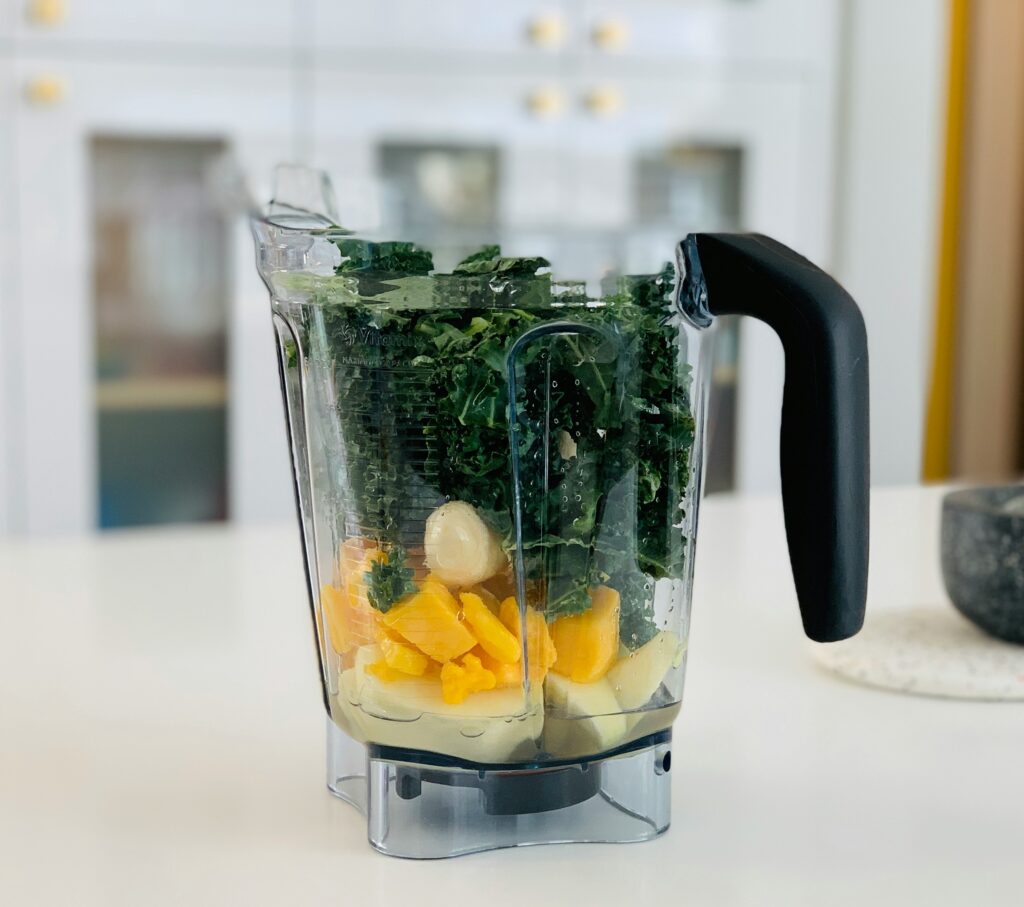
This Wellness Wednesday, I want to share something simple that has made a meaningful difference in both my kitchen and my patients’ health journeys. If you’re serious about Lifestyle Medicine, one of the most practical “hacks” I recommend is investing in a high-speed blender. Yes — I’m talking about something like a Vitamix. Before you roll your eyes and think, “That’s expensive,” hear me out. Why a High-Speed Blender Actually Matters Lifestyle Medicine is rooted in whole, minimally processed foods — vegetables, fruits, legumes, nuts, seeds, and whole grains. The more you cook and prepare at home, the more control you have over ingredients, added sugars, inflammatory oils, and unnecessary additives. A high-speed blender makes that dramatically easier. With one tool, you can: When healthy food is easier to prepare, you’re more likely to eat it consistently. And consistency is what changes health outcomes. It’s an Investment — But It Saves Money Let’s talk practically. Pre-made nut milks, nut butters, gluten-free flours, protein smoothies, and specialty plant-based products add up fast. When you make these at home, the cost drops significantly. Over time, a quality blender pays for itself. Instead of buying: You’re making them for a fraction of the price — and without the fillers. Lifestyle Medicine isn’t about perfection. It’s about building systems in your life that support healthy defaults. A high-speed blender helps create that system. The Smoothie Factor Let’s be honest — not all blenders are created equal. If you’ve ever tried to make a green smoothie with a standard blender and ended up chewing kale strings, you know what I mean. A high-speed blender: That matters, especially for people who are trying to increase plant intake but feel overwhelmed by cooking. Lifestyle Medicine Is About Reducing Friction One of the biggest barriers to healthy eating isn’t knowledge — it’s friction. “I don’t have time.” “It’s too complicated.” “I don’t know what to make.” When you have tools that simplify preparation, healthy food becomes more accessible. A blender: That reduces waste. It reduces takeout. It reduces decision fatigue. And those small shifts compound. This Is Not About Gadgets — It’s About Environment Lifestyle Medicine works best when your environment supports your goals. A high-speed blender is not a magic bullet. But it’s a practical, sustainable tool that helps you: Sometimes the “hack” isn’t a supplement or a trend. It’s upgrading the systems in your kitchen so your health becomes easier. If you’re curious about building a Lifestyle Medicine foundation that actually works in real life — not just in theory — I invite you to explore the rest of this site and learn more about my Lifestyle Medicine programs and community. Whether you’re just getting started or ready for more structure and accountability, there’s a place for you here.
Fiber: An Underrated Foundation of Lifestyle Medicine

Fiber doesn’t get the attention it deserves. It’s not trendy. It’s not flashy. And yet, when I look at the health concerns people come to me with—blood sugar imbalance, high cholesterol, digestive issues, chronic inflammation, weight struggles—fiber shows up again and again as a missing piece. In Lifestyle Medicine, we focus on the pillars that actually move the needle on long-term health. Nutrition is one of those pillars, and fiber sits quietly at the center of it. Most people aren’t deficient in protein. They aren’t deficient in supplements. But they are consistently under-consuming fiber—and the ripple effects are significant. What Fiber Actually Does in the Body Fiber is the part of plant foods that your body can’t digest. Instead of being broken down and absorbed, it moves through the digestive tract and interacts with your gut, your blood sugar, your cholesterol, and your microbiome along the way. There are two main types of fiber—soluble and insoluble—and both matter. Soluble fiber forms a gel-like substance in the gut. It slows digestion, helps stabilize blood sugar after meals, and binds to cholesterol so it can be excreted rather than reabsorbed. Insoluble fiber adds bulk to stool and supports regular, healthy bowel movements. Together, fiber helps regulate systems that many people are trying to “fix” with medications alone. Fiber and Blood Sugar Regulation One of the most important roles fiber plays in Lifestyle Medicine is blood sugar control. When you eat a meal that contains adequate fiber—especially from whole plant foods—glucose enters the bloodstream more slowly. This reduces blood sugar spikes and lowers the demand on insulin. Over time, this can improve insulin sensitivity and reduce the risk of progressing toward prediabetes or type 2 diabetes. This is why two meals with the same number of carbohydrates can have very different effects on the body depending on fiber content. It’s not just what you eat—it’s how that food interacts with your physiology. Fiber, Cholesterol, and Heart Health Soluble fiber has a well-documented effect on cholesterol levels. It binds bile acids in the gut, which forces the liver to pull cholesterol from the bloodstream to make more bile. The result is lower LDL cholesterol over time. This is one of the reasons Lifestyle Medicine places such a strong emphasis on whole plant foods for cardiovascular health—not as a rigid rule, but as a powerful therapeutic tool. Fiber doesn’t work in isolation. It works alongside movement, stress management, sleep, and other pillars to reduce cardiovascular risk in a sustainable way. Fiber and the Gut Microbiome Your gut bacteria rely on fiber as their primary fuel source. When you don’t eat enough fiber, beneficial bacteria struggle to thrive. When you do, they produce short-chain fatty acids that support gut integrity, immune regulation, and even brain health. In many ways, fiber is less about feeding you and more about feeding the ecosystem inside you. This connection between fiber, gut health, inflammation, and mental well-being is one of the reasons Lifestyle Medicine views the body as an integrated system—not a collection of isolated symptoms. Fiber and Weight Regulation Fiber increases satiety. It helps you feel full longer, reduces overeating, and supports more stable energy throughout the day. This isn’t about restriction—it’s about alignment with how the body naturally regulates appetite. When meals are fiber-rich, people often find that cravings lessen, portions normalize, and weight changes feel less forced. That’s a very different experience than chasing weight loss through extremes. How Fiber Fits Into Lifestyle Medicine Lifestyle Medicine isn’t about perfection. It’s about patterns. Fiber fits beautifully into this framework because it’s not something you “add on” for a short period of time. It’s something you build into daily life through real food—vegetables, fruits, beans, lentils, whole grains, nuts, and seeds. When fiber intake increases, we often see improvements across multiple pillars at once: That kind of overlap is exactly what Lifestyle Medicine is designed to support. A Gentle Reminder If you’re currently eating very little fiber, it’s important to increase intake gradually and drink adequate fluids. Sudden large increases can lead to bloating or discomfort—not because fiber is harmful, but because your gut needs time to adapt. Lifestyle change works best when it’s steady, supportive, and individualized. Fiber isn’t a quick fix. It’s a foundation. And in Lifestyle Medicine, foundations matter. If you’d like to learn more about how nutrition—and the other pillars of Lifestyle Medicine—work together to support long-term health, explore the programs and resources available throughout this site.
What Would Your Ideal Practice Look Like in 3 Years?
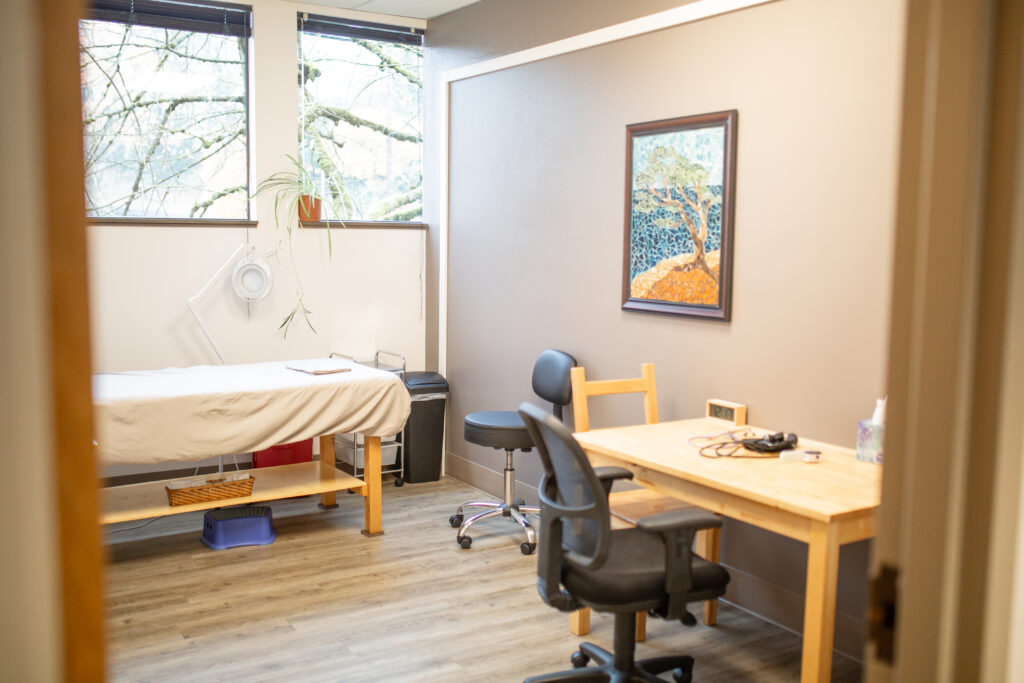
If I asked you this question quickly, your mind might jump straight to logistics—income, hours, location, maybe even a dream office space. But before we get practical, I want to slow this down. Most nurse practitioners don’t burn out because they lack skill or dedication. They burn out because they build practices that don’t actually support their lives. This exercise isn’t about predicting the future or locking yourself into a rigid plan. It’s about creating clarity. When you know what you’re building toward, the decisions you make today start to feel more grounded—and far less overwhelming. Why 3 Years? Three years is far enough away to allow meaningful change, but close enough to feel real. It gives you room to grow without drifting endlessly into “someday.” You don’t need to know how everything will happen yet. You just need a direction. Step One: Zoom Out From the Job Title Before we talk about patients, pricing, or business structure, start here: In three years, how do you want your life to feel? Ask yourself: Your practice should serve your life—not the other way around. Step Two: Imagine Your Ideal Workday Now bring it closer to your daily reality. Picture a typical workday three years from now: Then zoom out a bit further: These details shape your experience far more than most people realize. Step Three: How Do You Want to Practice? Many NPs feel tension between how they were trained and how they actually want to practice. Take a moment to reflect: There is no ideal structure—only the one that fits your capacity, values, and stage of life. Step Four: The Kind of Care You Want to Provide Now consider the care itself. Ask yourself: Your ideal practice isn’t defined by what you can do. It’s defined by what you want to do consistently without burning out. Step Five: Get Honest About the Financial Picture Now let’s talk about money—not from a hustle mindset, but from a clarity one. In three years, how do you want your practice to support you financially? There are many sustainable models, but they usually fall along a spectrum: None of these approaches is inherently better than the others. What matters is whether the model fits your energy, values, and capacity. Ask yourself: Once you have a rough financial goal, work backward:If this is the income I want to earn, and this is what I charge per visit, how many patients would I need to see each week to reach that? This isn’t about pressure. It’s about alignment. When pricing, patient volume, and schedule support each other, your practice becomes far more sustainable. Step Six: Turn Reflection Into a Simple Map You don’t need a detailed business plan right now. You need direction. Try writing down: That’s enough to begin. A Final Thought If your current role feels draining or limiting, that doesn’t mean you chose the wrong profession. Often, it means you’re ready to practice differently. You don’t need to have everything figured out to move forward. You just need permission to imagine something better—and space to build it intentionally. If you’re curious to explore more, take a look around my site and see what resonates. And as always, feel free to reach out if you have questions.
Your First Office: Do You Even Need One?
How to choose the right starting point for your practice One of the biggest questions new NPs face when building an integrative or functional practice is whether to open a physical office right away. Some NPs feel excited about having a space of their own. Others feel overwhelmed at the thought of rent, utilities, and long-term leases before they’ve even seen their first patient. The truth is: there’s no one right answer. There are multiple paths to a successful practice, and what’s “best” depends entirely on your services, your personality, your finances, and your long-term vision. This decision isn’t about what other NPs are doing—it’s about what actually works for you. Below is a practical guide to help you understand your options and choose the setup that supports the way you want to work. Option 1: A Traditional Brick-and-Mortar Office A physical office can be a great fit if you:• Offer hands-on treatments (pelvic care, functional exams, procedures, craniosacral, etc.)• Prefer in-person relational energy• Need dedicated clinical equipment• Want a consistent professional space for patient trust and comfort Things to consider:• Leasing costs (rent, deposit, utilities)• Furnishing and equipment• Longer-term contracts• Parking and accessibility• Ensuring the space reflects the atmosphere you want to create Who this works best for:NPs who want structure, a grounded home base, or offer modalities that require physical presence. Option 2: Starting Fully Telehealth Telehealth has become a respected and effective way to launch a practice. It can also radically reduce your startup costs. Telehealth can be ideal if you:• Focus on functional medicine, coaching, chronic disease management, or counseling-style care• Want to keep overhead low• Prefer flexibility or travel• Serve patients across a wider geography What to consider:• HIPAA-compliant platforms• Sound/privacy in your home environment• Clear communication around what can and cannot be done virtually• State licensing and telehealth laws Who this works best for:NPs who value location freedom or whose services don’t require physical exams. Option 3: A Hybrid Practice (The Middle Ground) A hybrid model blends the best of both worlds: telehealth as the foundation with periodic in-person availability for specific visits or hands-on care. Examples of hybrid setups:• Renting a room by the hour• Offering mostly telehealth with 1–2 in-office days per week• Using a shared wellness center or cooperative space Hybrid benefits:• Lower overhead than a full office• Flexibility as you grow• Ability to adapt as your patient volume increases Who this works best for:NPs who want some in-person connection without the full commitment of a dedicated office. Option 4: Renting Space Only When You Need It A growing number of cities offer:• Shared medical suites• Wellness co-ops• Hourly room rentals• Part-time subleases in existing clinics This is a great “test drive” option. Pros:• Extremely low overhead• No long-term lease• Lets you learn what you actually need before committing Cons:• Limited availability• Less control over the environment• Scheduling constraints Who this works best for:NPs who only occasionally need a physical space for specific types of visits. Option 5: Starting Small Within an Existing Practice Another overlooked option is subleasing a single room inside someone else’s established practice. Examples include:• A therapy office• A chiropractic clinic• A women’s health or pelvic health center• A wellness collective Why this can be helpful:• Built-in community and referral connections• Furnished space• Much lower startup costs• Supportive environment for newer clinicians Who this works best for:NPs who want community, structure, or support while they build their own patient base. How to Know Which Option Is Right for You Ask yourself: Your answers matter more than trends or advice from other NPs. The Bottom Line Your first “office” does not define your entire practice. Many NPs start one way and evolve into another as their confidence, clarity, and patient load grow. What matters is that you choose a starting point that feels sustainable, aligned, and supportive of your goals right now. There’s no wrong way to begin. Start where you are, use what you have, and build a practice that fits your life—not someone else’s. Interested in support as you build your practice? If you’re navigating these decisions—or unsure which option fits your vision—reach out to work with me. I’d love to help you build a practice that feels aligned, sustainable, and uniquely your own.
Your Body Is Talking To You — Physical Symptoms as Messages, Not Malfunctions

When most people think about “root causes,” they jump straight to their physical bodies. They assume something is wrong with their gut, their hormones, their thyroid, their nutrients, or their stress response. And while those things absolutely matter, here’s the truth I’ve seen over and over again—after working with thousands of patients since 1992: Most physical symptoms are late manifestations of something that started much earlier, and much deeper. Your body isn’t malfunctioning.It’s communicating. And if you learn to listen, everything changes. ⸻ Physical symptoms rarely begin in the physical body In natural medicine, we love talking about “root cause.” And yes, sometimes that root cause is physical—gut dysbiosis, nutrient gaps, inflammation patterns, blood sugar instability. But in my experience, the truest roots start long before that. They begin in the mental, emotional, spiritual, social, sexual, and financial layers of your life. Your thoughts.Your old patterns.The beliefs you inherited that were never yours.The emotions you stuffed down because they felt too big.The places you don’t feel safe, supported, or grounded.The pressure you’re carrying—financially, relationally, or otherwise. These are the quiet beginnings. When they aren’t addressed, the body eventually steps in and says, “Okay, it’s my turn to get your attention.” ⸻ Your body gets louder when earlier whispers were ignored Inside The FLOURISH Way™, I often talk about how this plays out in my own life: I’ll be thriving in one area… and then my body delivers feedback somewhere else. It’s not random. It’s communication. Your body speaks when:• you’ve been overriding your intuition• you’ve been carrying O.P.P. (Other People’s Points of View)• your boundaries are leaking and your energy is depleted• you haven’t slowed down enough to listen• you’re running beliefs that were never yours• you’re stuck in struggle mode or victim mode Symptoms are not punishments.They’re signals. ⸻ Listening to the body is a skill — and most of us were never taught how Even as a natural medicine practitioner, I had to learn how to actually listen to my body. I didn’t realize how often I stayed in my head, pushed myself, ignored exhaustion, or convinced myself I was “fine.” Learning to listen is not about perfection.It’s about presence. Your body already tells you everything you need to know.You’ve just been disconnected, overwhelmed, or conditioned not to hear it. That’s okay.You can learn. ⸻ Why symptoms feel dramatic when the true cause is subtle When emotional or energetic patterns sit unaddressed, they eventually create physical tension, misalignment, and dis-ease. It might look like:• anxiety that becomes chest tightness• resentment that becomes digestive issues• boundary leaks that become fatigue• unprocessed trauma stored in the pelvic bowl• chronic stress that becomes hormonal imbalance Your body is not the problem.It’s the messenger. The message is simple: something needs attention. And it’s time. ⸻ This is why healing must address the whole person You can support hormones.You can treat gut imbalances.You can use herbs, nutrition, movement, sleep, and supplements. But if you don’t address what’s happening mentally, emotionally, spiritually, socially, sexually, or financially—the symptoms return, or shift into another form. Whole-person healing is true root-cause healing.This is exactly why I created The FLOURISH Way™. ⸻ When you start listening, everything begins to shift Listening to your body means:• slowing down to notice what’s really happening• checking in with emotions before they spill into symptoms• releasing O.P.P. instead of carrying it• unlearning what was never yours• trading judgment for curiosity• replenishing instead of pushing And the biggest shift? You stop seeing symptoms as something to fear…and start seeing them as invitations. Invitations to soften.Invitations to replenish.Invitations to step into the truest version of you. ⸻ If you’re ready for deeper support, guidance, and whole-person healing, reach out and connect with me. I’d love to work with you.
How NPs Can Start Practicing Integrative Medicine
Small, Accessible Places to Begin A lot of NPs feel pulled toward integrative medicine but assume they need another certification, another degree, or years of specialized training before they can begin. The truth? You don’t need a long list of credentials to start practicing in a more integrative, whole-person way. You need curiosity, a commitment to understanding root causes, and a willingness to make small but meaningful shifts in how you approach each patient. Integrative medicine isn’t a separate specialty—it’s a lens. A way of thinking. A clinical approach that blends conventional medicine with evidence-supported lifestyle changes and mind-body strategies. And you can begin—right now—within the scope you already hold as an NP. Here’s how. 1. Start with Questions That Reveal the “Why” Behind the Symptom Most NPs were trained to gather data, identify the diagnosis, and match it with the appropriate treatment. Integrative medicine slows this down and asks deeper questions that uncover patterns and contributors. Start simple. Add one or two questions like: These questions don’t take extra time—they shift the direction of the visit. They help you see connections between lifestyle, environment, stress, and physiology. And patients instantly feel more understood and more invested in their own care. 2. Build a Foundation With Lifestyle Medicine (the easiest entry point) Lifestyle medicine is evidence-based, accessible, and well within NP scope. The six pillars give you a clear structure: Focusing on these pillars alone can radically improve outcomes for chronic conditions like hypertension, prediabetes, anxiety, and GI complaints. 3. Use Food as Medicine—Without Becoming a Nutritionist Patients are always asking about diet. You don’t need to create meal plans or count macros to make a difference. Start with: You’re not prescribing a diet—you’re supporting metabolic health. 4. Offer Simple Mind-Body Tools During Visits You don’t need formal training to teach someone how to breathe. Try guiding a single 60-second practice: This takes almost no time and gives patients a tool they can use daily, especially for anxiety, chronic pain, headaches, or insomnia. And it builds your confidence in offering non-pharmaceutical strategies. 5. Integrate Natural Approaches Slowly—Not All at Once You do not need a full supplement protocol to start practicing integrative care. Begin with: Keep it conservative, evidence-based, and condition-specific. You can expand your knowledge over time, but start with the basics. 6. Reframe Every Visit as a Partnership, Not a Transaction This is one of the core shifts from conventional to integrative medicine. Instead of “Here’s what you need to do,” try: Patients take more ownership. Plans actually get followed. Care becomes collaborative rather than top-down. 7. You Don’t Need a Full Certification to Begin—Just Momentum Formal training is wonderful, and many NPs choose to pursue it eventually. But you don’t need a fellowship or a year-long course to start practicing more holistically. Start with: These small steps build confidence—both yours and your patient’s. The Real Secret? Start Small and Stay Curious. Integrative medicine is not about doing everything—it’s about doing the few things that matter most. And the sooner you begin weaving these skills into your visits, the faster you become an NP who treats the whole person, not just the diagnosis. If you’re an NP wanting to grow in integrative care, build confidence, or develop a practice that reflects your values, I’d love to work with you.
Lifestyle Medicine: Small Daily Choices That Transform Your Health
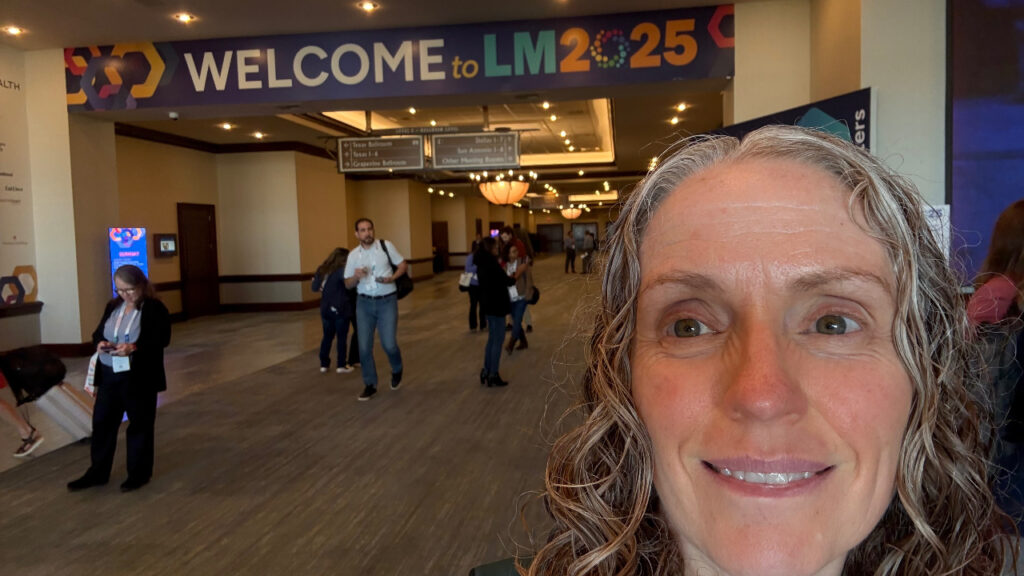
In honor of being at LM2025 this week, I wanted to bring you practical, real-life lifestyle medicine wisdom you can start using right now for your own wellness. Lifestyle Medicine is built on one simple truth:Small, consistent habits create the biggest changes in how you feel. You don’t need a perfect plan.You don’t need to overhaul your entire life.You don’t need to “love” every healthy behavior. You just need to begin — gently, realistically, and one tiny step at a time. Here are some of the most helpful insights from this week that you can apply to your own daily routine. You Can’t Change Your Genes — But You Can Change Your Path Your genetics influence your health, but they do not control your destiny. Your daily choices — what you eat, how you move, how you sleep, how you manage stress — all influence whether certain genes stay quiet or become active. This means: This is one of the most hopeful messages in Lifestyle Medicine. Start With Food — It’s the Foundation A huge theme at LM2025:Food is the #1 place to begin if you want better health. Not restriction, not dieting — simply nourishing your body with foods that help it thrive. Try starting with: Even small changes in the way you cook and eat can shift your energy, focus, digestion, mood, and long-term health. You Don’t Have to Love the Habit for It to Help You This is one of the most freeing takeaways from the week: Healthy habits can help you even if you don’t enjoy them in the moment. Most people don’t love going to the gym.Or meal prepping.Or stretching. And that’s okay. You do these things because they support a life you want to live — one where you feel well, capable, and connected to your body. Consistency Beats Intensity Every Time Lifestyle Medicine isn’t about doing everything at once — it’s about choosing habits that you can actually sustain: Small choices build momentum, and momentum changes your health. Sleep: The Most Underrated Medicine If you want a powerful place to start, try this: Go to bed and wake up at the same time every day. Sleeping in on weekends creates a weekly “jet lag” that affects your hormones, mood, metabolism, and energy levels. Your body thrives on rhythm — consistency is healing. Shift Your Mindset With Dialectical Thinking One of the most transformative mindset tools is dialectical thinking — the belief that two things can be true at the same time: You can slip up and still be committed.You can have a tough week and still be moving forward.You can feel discouraged and keep going. This mindset prevents all-or-nothing thinking and makes long-term change possible. Your Emotional Health Shapes Your Physical Health Your physical and emotional wellness are deeply connected. When you feel supported, grounded, and connected, your body can: Your feelings matter — they are part of your physiology. Movement Doesn’t Have to Be Complicated Movement can be simple, joyful, and gentle: Any movement counts — it all supports your heart, brain, digestion, and mood. Inspiring Research: Lifestyle & Alzheimer’s One of the most powerful moments of LM2025 was hearing Dr. Dean Ornish share data from a new randomized controlled trial showing very promising results for reversing Alzheimer’s disease with lifestyle changes. Yes — reversing. This is the future of medicine: daily habits that profoundly influence long-term brain health. Begin With One Tiny Step The biggest message of Lifestyle Medicine is simple: You don’t need to change everything — you just need to start. Small steps build confidence.Confidence builds momentum.And momentum builds long-term wellness. Ready to Feel Better? Let’s Take Your Next Tiny Step Together. If you’re wanting support with your energy, hormones, mood, digestion, inflammation, or overall wellness, I’d love to work with you. Together we’ll create a simple, sustainable plan based on Lifestyle Medicine — one that meets you exactly where you are. Reach out anytime. I’m here to help you feel your best.
The Real Joy of Freedom: Creating a Practice That Fits Your Life

When I talk with nurse practitioners about opening their own practice, the word I hear most often is freedom.Freedom to practice in alignment with your values.Freedom to spend real time with patients.Freedom to create a schedule that honors both your work and your life. That vision isn’t just possible — it’s why I do what I do. Building your own practice isn’t about escaping something broken; it’s about creating something beautiful. It’s about choosing authenticity over obligation and designing a career that reflects who you truly are. Freedom Feels Like Alignment When you’re no longer working under someone else’s rules or metrics, you finally get to ask: What does success look like to me?Maybe it’s seeing fewer patients and offering deeper care.Maybe it’s blending functional medicine, coaching, or creative healing into your visits.Maybe it’s having Fridays off to recharge, hike, or be with your family. Freedom in practice means living and working in alignment with what matters most. It’s the space to breathe, to innovate, and to reconnect with the heart of why you became an NP in the first place. Freedom Opens the Door to Creativity Owning your own practice invites you to think differently. You start asking new questions:– What if healthcare could feel more personal?– What if patient visits felt calm, connected, and human again?– What if you could build a business that gives you energy instead of draining it? When you have the freedom to explore, creativity flows naturally. You can build programs that light you up, design services that reflect your strengths, and attract patients who truly value what you offer. It’s a whole new way of practicing — one that’s led by inspiration instead of obligation. Freedom Creates Space for Balance One of the greatest gifts of private practice is the ability to create balance. You decide how much you work, when you rest, and how to structure your days. You can take a midday walk, eat lunch without rushing, or schedule your week around what supports your well-being. This isn’t indulgence — it’s sustainability. When you thrive, your patients do too. Freedom gives you the flexibility to design a practice that supports your energy, your family, and your future — not one that demands all of it. Freedom Is Fulfillment The truth is, freedom isn’t just about autonomy — it’s about joy.It’s the joy of working in alignment with your purpose.The joy of seeing patients flourish through the care you designed.The joy of waking up on a Monday morning feeling inspired instead of depleted. Owning your own practice is an act of creativity, courage, and self-trust. And when you build it with intention, it becomes so much more than a business — it becomes a reflection of your calling. If you’ve been dreaming of creating a practice that gives you both freedom and fulfillment, I’d love to help you take that next step.
Listening to Your Body: The Foundation of True Wellness
We live in a world that praises productivity over presence. We’re taught to push through, power on, and treat discomfort as something to fix or silence—whether it’s a headache, bloating, or exhaustion. But your body isn’t your enemy. It’s a messenger. Every signal, sensation, and symptom is your body’s way of communicating what it needs from you. When you learn to listen, you begin to unlock a deeper, more intuitive connection to your own healing. Your Body Speaks in Sensations For many people, the first step toward wellness is changing what they eat, how they move, or what supplements they take. Those things matter—but the deeper work begins with awareness. What if instead of seeing symptoms as problems, you saw them as invitations? A craving for sugar might not just mean you need food—it could mean you need comfort. A stiff neck could be your body’s way of saying you’ve been carrying too much responsibility. Digestive upset could be your gut reacting to emotional tension as much as physical food. The mind and body are never separate, and your body often tells the truth long before your words do. The Root Beneath the Symptom This truth sits at the heart of The Flourish Way™: the idea that most physical symptoms are late manifestations of mental, emotional, or spiritual imbalance. Jen Owen, NP, has seen this pattern again and again in her patients. When people begin listening—really listening—to what their body is trying to say, healing happens naturally. They stop chasing every symptom and start addressing the energy beneath it. As Jen teaches, “Your body will tell you almost everything you need to know—and it’s been telling you, but you’ve been ignoring it.” Start by Slowing Down So how do you begin to listen? Start by slowing down. Notice what sensations arise when you feel stressed or sad. Where do you feel it in your body? Is it heaviness in your chest, a knot in your stomach, a flush of heat in your face? Bring gentle curiosity to that feeling—without judgment or the need to make it go away. Then ask, What are you trying to tell me? The more you practice this, the easier it becomes to understand your body’s language. Daily Rituals for Connection You can use simple rituals to help you tune in. Before eating, take three slow breaths and ask your body what it’s truly hungry for. Before bed, scan your body from head to toe, noticing what feels tense or tender. During stress, instead of numbing out, place a hand over your heart or belly and breathe deeply until you feel grounded again. Over time, these small moments of awareness help you build trust—between you and your body, between what you think you need and what you actually need. Healing Through Partnership Listening to your body is not a quick fix. It’s a lifelong relationship built on patience, honesty, and compassion. But when you honor what your body is trying to tell you—when you give it rest instead of resistance, nourishment instead of neglect—you create the foundation for true wellness. Healing doesn’t always come from doing more. Often, it begins the moment you pause, listen, and finally hear yourself.