Redefining Rest
n a culture that glorifies hustle, it’s no wonder so many of us feel guilty when we pause. We’ve been taught to measure our worth by productivity: the longer our to-do list, the later we stay up, the more we give to others, the more “successful” we are. But the truth I’ve seen in decades of practice—and experienced in my own life—is that this mindset leaves us depleted, resentful, and disconnected from ourselves. Rest is not weakness. Rest is medicine. Rest is a radical act of self-trust. It’s choosing to believe that your value doesn’t depend on what you produce, and that your body, mind, and spirit deserve to be replenished just as much as they deserve to be challenged. Rest is More Than Sleep When I say “rest,” I don’t just mean getting eight hours of sleep (though that’s important, too). Rest is multidimensional. It can look like turning off your phone and stepping outside barefoot. It can be savoring a long exhale in the middle of a hectic day. It might be giving yourself permission to do nothing at all, or choosing play and joy simply because they light you up. There are seven areas of life I teach in The FLOURISH Way™—physical, mental, emotional, spiritual, social, sexual, and financial. Each one needs its own kind of rest. Physical rest might be a nap or a warm bath. Emotional rest might be saying no to drama or asking directly for what you need. Spiritual rest might be prayer, meditation, or time in nature. Social rest might be spending time alone to recharge. True wellness comes when all seven areas have space to breathe. Rest Protects Your Energy If you’ve ever felt burned out, it’s a sign that your energy boundaries are leaking. Without rest, you’re constantly giving without restoring. Rest is the way we refill our cup so we can show up for others from a place of overflow instead of depletion. The irony is that by resting, you actually become more effective, more creative, and more resilient. Think of rest as tuning your instrument. A violin played without ever being tuned eventually goes flat no matter how skilled the musician. Your body and spirit are the same—rest is the tuning that keeps you aligned and harmonious. Rest as Resistance For women especially, reclaiming rest is an act of resistance. We live in systems that profit from our exhaustion, our willingness to overextend, and our belief that we’re never enough. Choosing to rest interrupts that cycle. It says: I refuse to define my worth by constant output. I choose to honor my body and spirit instead. This is why I often remind my patients and clients that rest isn’t selfish—it’s strategic. It restores clarity, helps regulate hormones, lowers inflammation, and strengthens immunity. In other words, rest is one of the most potent wellness practices available, and it’s free. Redefining Rest in Your Life So how do we redefine rest for ourselves? Start by noticing where guilt creeps in. Do you feel lazy if you nap? Indulgent if you watch a show? Selfish if you take a day off? That guilt is not truth—it’s conditioning. Experiment with micro-rests throughout your day: three deep breaths before opening your email, a short walk without your phone, a few minutes journaling in silence. Then, build in larger rhythms of rest each week or season—an evening with no plans, a weekend morning to yourself, or even a vacation designed to replenish rather than perform. Most importantly, give yourself permission. Permission to stop. Permission to say no. Permission to restore. Because you can’t expand and emerge into your best self if you’re running on empty. Final Thought Rest is not a reward you earn after working hard enough. It’s a birthright, a built-in part of flourishing. When we allow ourselves to rest, we begin to remember who we are beneath the noise and demands of the world. We step into balance, into authenticity, and into a deeper kind of strength. This week, I invite you to ask yourself: What does rest look like for me today? Then honor the answer, knowing that in doing so, you’re not falling behind—you’re fueling your future. If this resonates with you and you’re ready to bring more balance, clarity, and energy into your life, I’d love to support you. At the bottom of this page, you’ll find a place to sign up for my newsletter. That’s where I share fresh insights, tools, and encouragement each week to help you flourish in your own practice and your own life.
The Healing Power of Connection
I was inspired to write this after seeing that today is International Day of Friendship. It reminded me how deeply grateful I am for the people in my life—and how essential connection is to our health. Not just emotionally, but physically, neurologically, and even hormonally. Science has caught up with what many of us feel in our bones: relationships are a form of medicine. Social connection strengthens immunity, reduces inflammation, improves cardiovascular health, and even helps regulate gene expression. One well-known meta-analysis published in PLOS Medicine reviewed data from over 300,000 people and found that strong social relationships increased the likelihood of survival by 50%. That’s a health benefit on par with quitting smoking—and greater than the benefit of regular exercise. When we feel emotionally safe with someone, our nervous system responds. Cortisol levels drop. Oxytocin and serotonin rise. Blood pressure stabilizes. We move out of a chronic stress state and into rest, repair, and regulation. In fact, connection is one of the key ways we co-regulate—using our relationships to calm and balance our bodies and minds. This is especially important if we’ve experienced trauma, chronic stress, or disconnection in the past. Healing doesn’t happen in isolation. It happens in safe, supportive relationship. And here’s the beautiful part: this doesn’t require a huge social circle. One or two deeply supportive relationships can be enough to shift how your body processes stress, how your mind finds meaning, and how your heart feels held. That might look like a close friend, a partner, a therapist, or even a mentor or coach who helps you feel seen. In my own life, friendship has been one of the most healing forces I’ve known. I think of the people who’ve walked with me through loss, grief, major life transitions, and deep transformation. Their presence didn’t “fix” anything—but it helped me stay grounded and connected while I found my way through. That kind of support is priceless. If you’ve been feeling lonely, disconnected, or overwhelmed, please know there’s nothing wrong with you. That ache you feel is your body’s call for connection—a sign of your wholeness, not your brokenness. The desire to be seen, supported, and understood is not a weakness. It’s a biological need. And honoring it is a powerful step toward healing. Connection is powerful medicine. And you don’t have to create it alone. If this message resonates with you, I invite you to take the next step. Explore the offerings here to see what kind of support feels right—whether it’s one-on-one mentorship, holistic guidance, or just finding a blog post that speaks to where you are. I’ve created this space with the intention that you’ll find something here that helps you reconnect with your own truth, your own body, and your own path forward. Whether you’re here for your own healing or to grow in how you serve others, I’m honored you’re here—and I’m walking this path right alongside you.
Yoni Steaming at Home: A Simple Guide to Sacred Self-Care
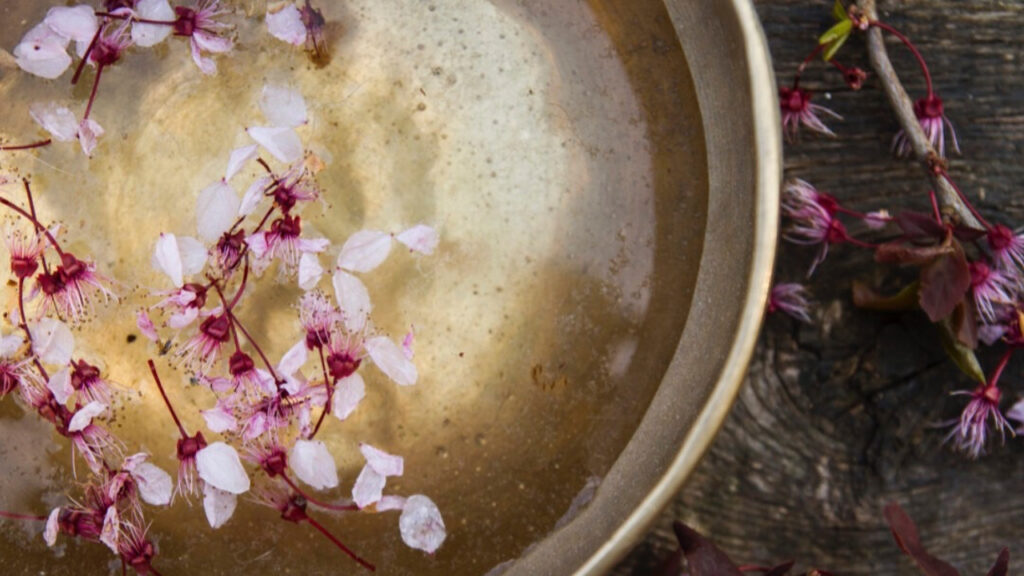
Yoni steaming—also known as vaginal steaming or V-steaming—is a beautiful, ancient practice that supports pelvic health, emotional healing, and nervous system regulation. While it’s often treated as a novelty or a spa trend, yoni steaming is truly a sacred ritual that’s been used across cultures to connect with the womb space, release tension, and invite healing on many levels. While I no longer offer in-office steams, I still believe deeply in the power of this practice and encourage anyone interested to try it at home. The good news? It’s simple, safe, and doesn’t require special equipment. Why Steam? Most of the physical symptoms we experience—like painful periods, pelvic tension, or hormonal imbalances—have deeper roots. Yoni steaming offers a gentle way to reconnect with your body, release stored emotions, and invite calm and balance back into your system. It’s also a lovely ritual of self-care, rest, and embodiment. You can steam monthly, seasonally, or as needed. If you menstruate, the best times to steam are around ovulation or a few days before your period. If you don’t menstruate, you can steam anytime—or let the moon cycle guide you. If you’re experiencing active symptoms or have specific concerns, I recommend consulting a practitioner to choose the right herbs and timing. How to Do a Yoni Steam at Home Step 1: Gather your toolsUse a bowl that fits inside your toilet or a sturdy steaming stool. Stainless steel or ceramic works well—just make sure it’s heat-safe and won’t tip over. Step 2: Choose your herbsAdd 1–2 tablespoons of each herb (see suggestions below) for a total of ¾ to 1 cup. Place them in the bowl. Step 3: Add boiling waterBoil about 2 quarts of water and pour it over the herbs in your bowl. Allow it to steep for a minute or two. Step 4: Prepare your spaceLower the toilet seat over the bowl (if using the toilet method). Sit down carefully and wrap yourself in warm blanketsto hold in the steam. Step 5: Relax and receiveSit for 20–30 minutes, or until the steam cools. Breathe deeply. Feel your pelvic bowl soften and your nervous system slow down. This is your time. Favorite Herbs for Steaming These herbs are generally well-tolerated and lovely for a gentle, all-purpose steam. Remember… Yoni steaming is not just a physical therapy—it’s a ceremony. A way to come back to your body, tend to your inner world, and reconnect with parts of yourself that may have been quiet for too long. If you’re curious, give it a try. Set aside the time. Make it a ritual.Your body is wise. Your healing is sacred. And your pelvic space deserves attention and care. Have questions or want to go deeper into pelvic healing work? Don’t hesitate to reach out.Explore the rest of my site to learn more about how I support both patients and coaching clients on their healing journeys.
What Beliefs Are You Still Carrying That Aren’t Yours?
Some of the hardest patterns to unwind aren’t the physical ones. They’re the mental and emotional beliefs we’ve been carrying—sometimes for decades—that were never ours to begin with. I call these O.P.P. – Other People’s Points of view. Maybe you grew up hearing that “rest is lazy” or “you should always put others first.” Maybe you were taught that emotions are a sign of weakness, that your worth is tied to productivity, or that you should always smile and be agreeable, even when your soul is screaming inside. These kinds of beliefs don’t come from your inner wisdom. They come from culture. From family. From well-meaning teachers, mentors, religion, politics, social media. Over time, they become automatic. You think they’re just “how things are.” But what if they’re not? What if those beliefs are the very things keeping you stuck, stressed, or sick? How this might show up: That’s not your truth talking. That’s O.P.P. And it’s exhausting. So how do we let go of what isn’t ours? Start with Curiosity, Not Judgment Whenever you feel resistance or guilt, pause and ask: “Where did this belief come from?”Don’t shame yourself for holding it—just get curious. You might find it came from a parent, a church, a grade school teacher, or even something you overheard as a child. That awareness alone starts to loosen its grip. Feel It in Your Body Your body will always tell the truth. If a belief feels tight, heavy, anxious, or draining—it’s probably not aligned with your inner knowing. Ask yourself:“Is this mine?”If it’s not, try saying out loud: “Return to sender with consciousness attached.” It’s a simple phrase, but energetically it can be profound. You don’t have to carry what was never yours. Use Ho’oponopono This Hawaiian prayer is a favorite of mine for clearing old mental clutter and calling your energy back: “I love you. I’m sorry. Please forgive me. I forgive myself. Thank you.” I say it when I notice myself slipping into a belief I know isn’t mine. It reminds me of who I really am and helps me move forward with compassion. A Real Example For years, I had a hard time resting. Even when I was sick or depleted, I felt this sense of guilt—like I should be doing something productive. When I asked myself where that came from, I realized I’d absorbed the belief that rest was only allowed after you’d earned it. That worth was tied to output. That belief wasn’t mine. It was inherited. So I gave it back. Now, I choose to rest without guilt. Not because I earned it, but because I need it. Because my body is worthy of care. That shift has changed so much. A Practice for You Take a moment and jot down a belief that feels limiting or heavy. Then ask yourself: You don’t need to unravel everything all at once. Just begin with one. You already have the answers. They’re just buried under the noise. Let’s clear it out. You don’t need to become someone else. You just need to return to yourself. Ready to Go Deeper? If this message speaks to you and you’re ready for real transformation, I’d love to support you.Explore my site or reach out directly to learn how we can work together through coaching, mentorship, or The Flourish Way™ experience. You don’t have to do this alone. Let’s find your way back—together.
Are You Being a Chameleon?
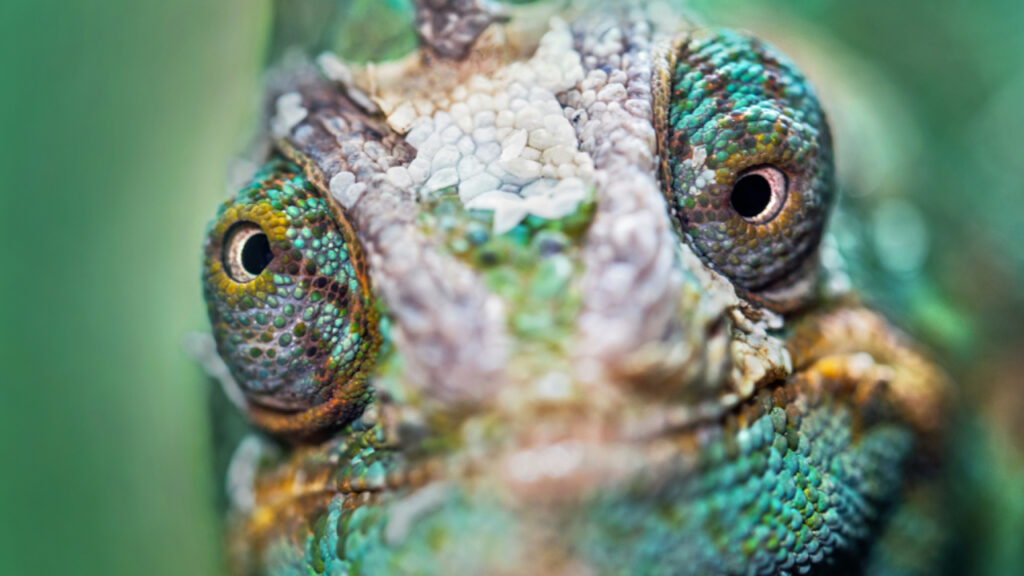
Have you ever found yourself shrinking to fit in? Saying yes when you really wanted to say no? Laughing along when something didn’t sit right? Or staying silent because speaking your truth might ruffle feathers? It’s something I’ve been reflecting on a lot lately—the ways we unconsciously shape-shift to meet expectations. It’s like being a chameleon. Chameleons change their color to blend in with their surroundings for protection and survival. And while that makes perfect sense in the animal world, for us as humans, constantly changing ourselves to “fit in” can come at a real cost. We might start drinking, eating, or behaving in ways that don’t reflect our true values because it feels easier than being the odd one out. We might stay in jobs, relationships, or routines that are no longer aligned, simply because they feel safe. We might hold our tongues when something matters deeply, out of fear of conflict or rejection. And little by little, we lose touch with ourselves. We forget our original color—the one that reflects our truth, our desires, our dreams. The one that feels most like home. So what do we do when we realize we’ve been in chameleon mode for too long? We come back to ourselves. One of the most powerful and accessible tools I know for this is journaling. You don’t need a fancy notebook or the perfect words. Just find a quiet place, breathe deeply, and ask yourself: – What do I really want?– Who do I want to be—outside of anyone else’s opinion?– Where am I staying small to make others more comfortable?– What dreams or goals have I pushed aside for too long?– Where am I not speaking my truth? Let yourself write freely. Don’t filter or edit—just let the answers come through. And when you’re done, read what you wrote out loud to yourself. Morning and night. Let those words anchor you in your own wisdom. Because you don’t need to keep blending in. You don’t need to shrink or twist yourself to fit into spaces that weren’t built for you. You’re allowed to be fully seen, fully expressed, fully you. So—what’s your true color? And how does it feel to let that color shine again?
Fixed vs. Growth Mindset: What’s Holding You Back?
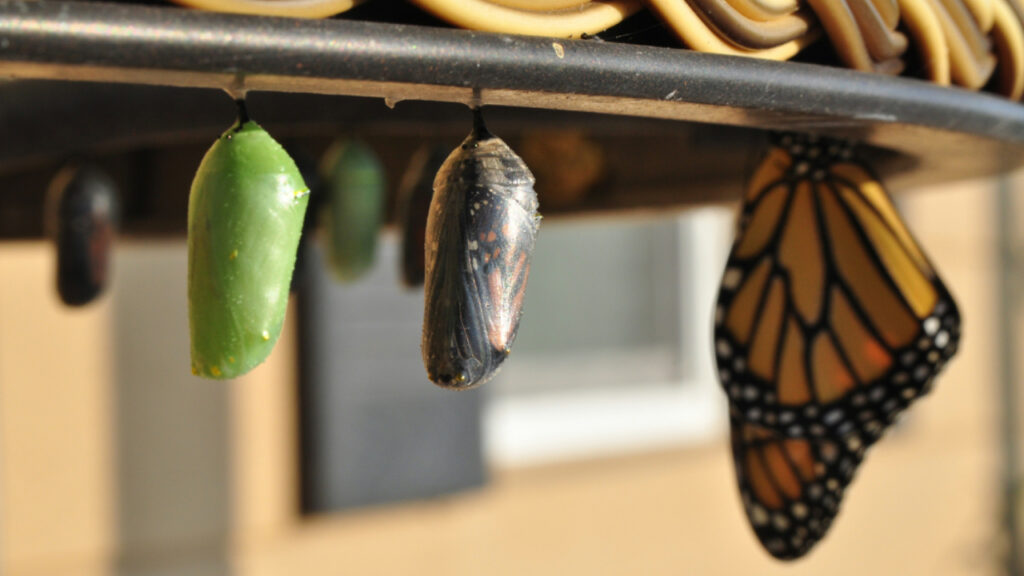
One of the biggest shifts I’ve seen change lives—my own included—is learning the difference between a fixed mindsetand a growth mindset. A fixed mindset says, “This is just how I am.” It believes that your habits, personality, intelligence, and even your health are stuck the way they are. If something’s hard, it must mean you’re not cut out for it. If you struggle, you’ve failed. That mindset can sneak in quietly.“I’m bad at exercise.”“I’ve always been an emotional eater.”“I’m just not a morning person.”We repeat these stories until they feel like facts. But here’s the truth: none of those things are set in stone. A growth mindset says, “I’m learning.”It understands that change takes time, and that effort is part of the process. It’s the mindset that asks, What if this is just the beginning? I see this in my clinic all the time. People come in exhausted, overwhelmed, frustrated that they can’t “stick” to healthy habits. And most of the time, it’s not about willpower—it’s about mindset. When we think we have to do everything perfectly, we set ourselves up to burn out. And when that happens, we stop doing even the basics. That’s why I always come back to this:Start simple. Start kind. Start small. Instead of asking, Why can’t I figure this out?, try asking, What’s one thing I can try differently today?Instead of saying, I failed again, say, I’m still figuring this out. Change doesn’t come from shame.It comes from curiosity, compassion, and consistency. So take a moment today and check in:Are you stuck in a fixed mindset in any area of your life?What would shift if you approached it with a little more flexibility, grace, and belief in your ability to grow? You don’t have to have it all together.You just have to believe that change is possible—and be willing to keep showing up.
A Patient’s Guide to Integrative Medicine
What it is, how it works, and why it might be exactly what you’ve been looking for Have you ever left a doctor’s office feeling like you weren’t really heard? Maybe your labs came back “normal,” but you still don’t feel like yourself. Or maybe you’ve been prescribed medications without much discussion about the bigger picture—your stress, your sleep, your diet, your cycle, your intuition. If you’ve been craving a different kind of care, you’re not alone. More and more people are turning to integrative medicine—an approach that honors the whole person and weaves together the best of modern science and natural healing. So what is integrative medicine, and how do you know if it’s right for you? What Is Integrative Medicine? Integrative medicine combines conventional Western medical practices with holistic therapies that support the body’s natural ability to heal. It’s not about choosing between “natural” or “medical.” It’s about finding the most effective, personalized combination of both. It also means we don’t just chase symptoms—we look for root causes. We ask deeper questions about how your body is functioning as a whole system, and we include your emotional, spiritual, and energetic health in the picture. How Is It Different From Conventional Care? In integrative medicine, you’re not a diagnosis or a checklist. You’re a whole person with a story that matters. Appointments are longer so we can truly listen. We talk about your lifestyle, stress levels, food patterns, menstrual cycle, relationships, and how you feel in your body. The goal isn’t just to manage symptoms—it’s to help you feel vibrant, clear, and connected again. What Does a Visit Look Like? A typical visit might include: You might also be introduced to practices that support nervous system regulation, pelvic bowl healing, or mind-body connection—depending on your goals. Who Is It For? Integrative medicine is for anyone who’s ready to feel better and take a more active role in their health. It’s especially helpful for people navigating: It’s also for anyone who simply wants a more thoughtful, personalized, and compassionate approach to care. What Can You Expect? You can expect to be listened to. You can expect that your body’s wisdom will be respected. You can expect a plan that makes sense for your life—not a cookie-cutter protocol. Healing is never one-size-fits-all. Your care should reflect you—your values, your rhythms, your goals.
The Rainbow Diet: Intuitive Eating, Colorful Healing

Have you ever stood in front of your fridge, unsure what to eat, wishing there were a simple way to make nourishing choices that felt good in your body and looked beautiful on your plate? Enter the Rainbow Diet—an intuitive, visually satisfying way of eating that’s rooted in both ancient healing traditions and modern nutritional science. Where the Rainbow Diet Comes From The idea of “eating the rainbow” has ancient roots. In Traditional Chinese Medicine and Ayurveda, color has long been tied to energy systems, emotional states, and organ health. In more recent decades, nutrition science began confirming that the color of a food often reflects the phytonutrients it contains—plant compounds that support immunity, reduce inflammation, and protect against disease. Dr. Deanna Minich, a functional medicine nutritionist and researcher, helped bring the Rainbow Diet into mainstream awareness by tying each color of plant-based food to a different physiological and energetic function—bridging science, spirituality, and food in a whole new way. The Color Spectrum of Healing Each color in the rainbow offers a unique gift to the body—and the more variety you get, the more complete your nourishment becomes: Making It Intuitive What makes the Rainbow Diet so powerful—especially from an integrative or functional medicine lens—is that it encourages body-led decision-making. Instead of counting calories, restricting carbs, or overthinking macros, you simply ask yourself what colors you’re missing. -Feeling sluggish? Add more reds and oranges.-Feeling ungrounded or scattered? Maybe you need more greens and earthy foods.-Low mood or brain fog? Try deep purples and blues. Eating this way brings you back into relationship with your body. It’s not just about nutrition—it’s about noticing, listening, and responding. How to Start Eating the Rainbow The Emotional + Energetic Side At The Flourish Center, we believe food is more than fuel. It’s energy. It’s medicine. It’s connection. Eating the rainbow supports not just the physical body, but also the emotional and spiritual layers of healing. Colors aren’t just nutrients—they’re vibrational. They resonate with different energy centers in the body (think: chakras, nervous system hubs, emotional themes). When you eat the full spectrum, you’re not just nourishing your cells—you’re restoring your whole system to balance and flow. Why It Works The Rainbow Diet works because it doesn’t ask you to fight your body. Instead of relying on willpower or external rules, it reconnects you with curiosity, creativity, and trust. And over time, those little colorful choices add up to real transformation. So the next time you’re planning a meal, ask yourself:What color is missing from my plate—and my life right now?Then go fill it in.
What Is Your Pelvic Bowl Trying to Tell You?
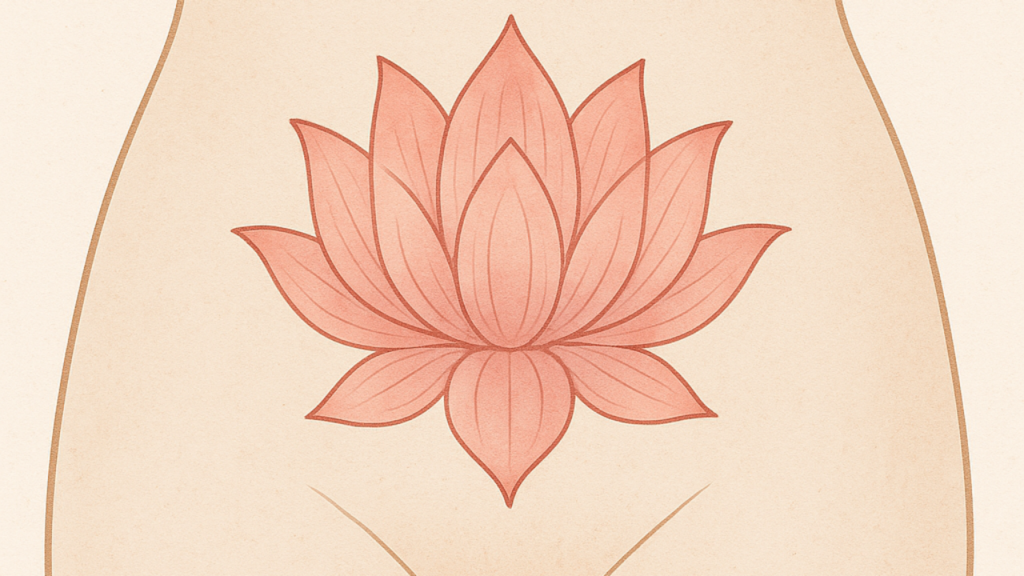
Most of us were never taught that our pelvic bowl holds wisdom. But it does—and it speaks. This deep, powerful space within you isn’t just physical—it’s energetic. It’s the foundation of your nervous system, your sense of belonging, your boundaries, your creativity, and your intuition. It’s where we store unprocessed experiences, emotional residue, and parts of ourselves that haven’t had the chance to fully land. In The FLOURISH Way™, we approach healing not by overriding the body with a new protocol—but by gently tuning in. And the pelvic bowl is often the very first place to listen. What Might Your Bowl Be Holding? Your pelvic bowl may be holding: You may not feel anything right away—and that’s okay. Listening takes time. Your body doesn’t speak in paragraphs; it speaks in sensation. A Simple Practice to Begin Listening Try this: Why This Matters When we reconnect to the pelvic bowl, we begin to reclaim: This isn’t just “bodywork”—it’s soulwork. Reconnecting to this sacred space supports healing on every level: physical, emotional, spiritual, and energetic. You don’t have to be perfect. You don’t have to have all the answers. You just have to be willing to listen. Today, let that be your wellness practice:Pause. Breathe. Listen.Your body already knows the way.
The Space Between Doing and Being

So many of us are wired to believe that healing happens through effort. That if we just do more—take the right supplements, follow the perfect routine, push a little harder—we’ll finally feel better. But over and over again, I meet people who are doing everything “right” and still don’t feel like themselves. They’re exhausted, overwhelmed, and wondering why all their effort isn’t working. That’s when I invite them into a different conversation—one that begins not with doing, but with listening. There’s a space in healing that doesn’t get talked about enough. The space between doing and being. It’s quiet there. Uncomfortable at times. But it’s where integration happens. It’s where the nervous system gets a chance to exhale. It’s where your body starts to trust that it’s safe to heal. In The FLOURISH Way™, we move away from the idea of fixing the body and toward the idea of partnering with it. That means learning to ask new questions.Not “How can I make this symptom go away?” but “What is this symptom asking of me?” That shift changes everything. It turns fatigue into a call for deep rest.It turns anxiety into a need for safety and regulation.It turns inflammation into a signal about nourishment, boundaries, or stress.It turns your healing journey into something collaborative rather than combative. And it gives you permission to slow down. You don’t have to do it all at once. You don’t have to get it perfect. And you’re not behind. Healing isn’t linear—it moves in cycles, just like nature does. There are seasons for action, and there are seasons for stillness. Both are necessary. Both are sacred. So if you’re feeling stuck, overwhelmed, or burnt out, I invite you to pause. Just for a moment. Put your hand on your heart or your belly. Breathe. And ask yourself: What have I been ignoring? What do I actually need right now? Often, the answers are simpler than we expect. More water. More sunlight. More boundaries. A little less pressure. A little more grace. That’s how we begin again.