Lifestyle Medicine: A Foundational Tool for Nurse Practitioners in Private Practice

As a nurse practitioner, you know the frustration of trying to manage chronic illness with short appointments, limited tools, and a growing sense that you’re putting out fires rather than helping patients truly heal. If you’ve ever felt like the traditional model doesn’t align with your calling, you’re not alone—and there is another way. Lifestyle Medicine offers a path forward that aligns deeply with the heart of why many NPs go into practice in the first place: to treat the whole person, to work upstream of disease, and to empower sustainable healing. Lifestyle Medicine is an evidence-based medical specialty that uses therapeutic lifestyle change as a primary treatment—not just an afterthought. It addresses the root causes of chronic illness through six interconnected pillars: -whole-food, plant-predominant nutrition -regular physical activity -stress management -restorative sleep -meaningful social connection -avoidance of risky substances When practiced with intention, this approach doesn’t just help manage conditions like type 2 diabetes, cardiovascular disease, and obesity—it can often reverse them. For nurse practitioners building (or dreaming of building) their own private practice, Lifestyle Medicine is more than a clinical approach—it’s a framework for leadership in the healthcare revolution. It gives you the tools to move beyond symptom management and into root-cause care. It invites you to structure your practice in a way that supports time-rich visits, patient education, and whole-person transformation—not just checkboxes and prescriptions. It also allows you to claim your role as a guide, not just a provider. To create space for group visits, coaching, education, and continuity that’s built on relationship and trust. Lifestyle Medicine integrates seamlessly with integrative, functional, and holistic models of care. And for many of Jen Owen’s mentees, it becomes the grounding philosophy that brings clarity to their vision and structure to their offerings. If you’re building your own practice—or even just starting to imagine it—consider how Lifestyle Medicine can be part of your foundation. It’s science-backed, patient-centered, and deeply aligned with the mission so many NPs hold: to truly help people heal.
A Patient’s Guide to Integrative Medicine
What it is, how it works, and why it might be exactly what you’ve been looking for Have you ever left a doctor’s office feeling like you weren’t really heard? Maybe your labs came back “normal,” but you still don’t feel like yourself. Or maybe you’ve been prescribed medications without much discussion about the bigger picture—your stress, your sleep, your diet, your cycle, your intuition. If you’ve been craving a different kind of care, you’re not alone. More and more people are turning to integrative medicine—an approach that honors the whole person and weaves together the best of modern science and natural healing. So what is integrative medicine, and how do you know if it’s right for you? What Is Integrative Medicine? Integrative medicine combines conventional Western medical practices with holistic therapies that support the body’s natural ability to heal. It’s not about choosing between “natural” or “medical.” It’s about finding the most effective, personalized combination of both. It also means we don’t just chase symptoms—we look for root causes. We ask deeper questions about how your body is functioning as a whole system, and we include your emotional, spiritual, and energetic health in the picture. How Is It Different From Conventional Care? In integrative medicine, you’re not a diagnosis or a checklist. You’re a whole person with a story that matters. Appointments are longer so we can truly listen. We talk about your lifestyle, stress levels, food patterns, menstrual cycle, relationships, and how you feel in your body. The goal isn’t just to manage symptoms—it’s to help you feel vibrant, clear, and connected again. What Does a Visit Look Like? A typical visit might include: You might also be introduced to practices that support nervous system regulation, pelvic bowl healing, or mind-body connection—depending on your goals. Who Is It For? Integrative medicine is for anyone who’s ready to feel better and take a more active role in their health. It’s especially helpful for people navigating: It’s also for anyone who simply wants a more thoughtful, personalized, and compassionate approach to care. What Can You Expect? You can expect to be listened to. You can expect that your body’s wisdom will be respected. You can expect a plan that makes sense for your life—not a cookie-cutter protocol. Healing is never one-size-fits-all. Your care should reflect you—your values, your rhythms, your goals.
The Rainbow Diet: Intuitive Eating, Colorful Healing

Have you ever stood in front of your fridge, unsure what to eat, wishing there were a simple way to make nourishing choices that felt good in your body and looked beautiful on your plate? Enter the Rainbow Diet—an intuitive, visually satisfying way of eating that’s rooted in both ancient healing traditions and modern nutritional science. Where the Rainbow Diet Comes From The idea of “eating the rainbow” has ancient roots. In Traditional Chinese Medicine and Ayurveda, color has long been tied to energy systems, emotional states, and organ health. In more recent decades, nutrition science began confirming that the color of a food often reflects the phytonutrients it contains—plant compounds that support immunity, reduce inflammation, and protect against disease. Dr. Deanna Minich, a functional medicine nutritionist and researcher, helped bring the Rainbow Diet into mainstream awareness by tying each color of plant-based food to a different physiological and energetic function—bridging science, spirituality, and food in a whole new way. The Color Spectrum of Healing Each color in the rainbow offers a unique gift to the body—and the more variety you get, the more complete your nourishment becomes: Making It Intuitive What makes the Rainbow Diet so powerful—especially from an integrative or functional medicine lens—is that it encourages body-led decision-making. Instead of counting calories, restricting carbs, or overthinking macros, you simply ask yourself what colors you’re missing. -Feeling sluggish? Add more reds and oranges.-Feeling ungrounded or scattered? Maybe you need more greens and earthy foods.-Low mood or brain fog? Try deep purples and blues. Eating this way brings you back into relationship with your body. It’s not just about nutrition—it’s about noticing, listening, and responding. How to Start Eating the Rainbow The Emotional + Energetic Side At The Flourish Center, we believe food is more than fuel. It’s energy. It’s medicine. It’s connection. Eating the rainbow supports not just the physical body, but also the emotional and spiritual layers of healing. Colors aren’t just nutrients—they’re vibrational. They resonate with different energy centers in the body (think: chakras, nervous system hubs, emotional themes). When you eat the full spectrum, you’re not just nourishing your cells—you’re restoring your whole system to balance and flow. Why It Works The Rainbow Diet works because it doesn’t ask you to fight your body. Instead of relying on willpower or external rules, it reconnects you with curiosity, creativity, and trust. And over time, those little colorful choices add up to real transformation. So the next time you’re planning a meal, ask yourself:What color is missing from my plate—and my life right now?Then go fill it in.
You’re Probably Dehydrated (And Don’t Even Know It)

Most people think they drink enough water—but research suggests that up to 75% of Americans are chronically dehydrated. And the symptoms aren’t always obvious. Dehydration can show up as fatigue, brain fog, dry skin, headaches, irritability, muscle cramps, or trouble focusing. It’s one of the simplest areas of wellness to work on—and one of the most overlooked. How Much Water Do You Actually Need? A common guideline is the “8×8 rule”—eight 8-ounce glasses of water per day (about 64 oz total). That’s not a bad baseline, but it’s not one-size-fits-all. A more accurate recommendation is:–Half your body weight in ounces per day(So, a 150 lb person would aim for 75 oz daily) If you’re active, spending time in the heat, breastfeeding, drinking caffeine or alcohol, or feeling under the weather—you likely need even more. You don’t need to obsessively track every ounce, but it’s worth checking in with yourself: These can all be signs that you’re not getting enough. Water Is Just the Start Drinking water is essential—but hydration also depends on how your body absorbs and uses that water. This is where electrolytes (like sodium, potassium, and magnesium) come in. If you’re drinking water and still feeling off, try: No expensive powders or gadgets required—just a few simple upgrades. Why It Matters Hydration supports nearly every system in your body. It helps with: It’s something I talk about with nearly every client—because when your body is well-hydrated, it functions better. Period. The Bottom Line If you’re feeling off, start with the basics. Ask yourself:Have I had enough water today—and is my body actually absorbing it? You might be surprised how much better you feel with something this simple.
Resistance Isn’t the Problem. It’s the Map.

f you’re like most of the people I work with, there’s something in your life you really want to change. Maybe it’s a habit, a health pattern, a relationship, or a dream you haven’t fully said out loud yet. You want the change… but every time you move toward it, resistance shows up. You feel tired. You procrastinate. You suddenly need to clean your whole kitchen before doing the thing. Your chest tightens, your inner critic gets loud, or you convince yourself it’s not the right time. Here’s what I want you to know:That resistance doesn’t mean you’re doing it wrong.It usually means you’re getting close to something important. In The FLOURISH Way™, we start by Unwinding and Unlearning—because most of what blocks us from growing isn’t about capability. It’s about protection.Somewhere deep down, your system learned that change isn’t safe. That visibility might lead to judgment. That success could mean separation. That rest is laziness. That being heard is dangerous. So your body resists. It’s not sabotaging you—it’s trying to keep you safe with outdated instructions. But here’s where it gets beautiful:When resistance shows up, it gives you a direct line to the old belief that’s ready to be released.It’s not a wall—it’s a doorway. This week, when resistance comes up, try this: Let yourself be curious. Let the old story come to the surface. And gently remind yourself:I am safe to change.I am allowed to grow.This resistance is showing me where my healing lives. The goal isn’t to eliminate resistance.It’s to listen to it so well that it no longer needs to shout. You’ve got this.
No More Maybes: The Social Side of Restore & Replenish

Let’s talk about something that’s often overlooked in healing: your social energy. Who and what you surround yourself with matters—more than we often realize. The people in your life can either restore you… or drain you. And if you’re ready to replenish your energy, your nervous system, and your overall well-being, it’s time to take a good, honest look at your social life. Step One: Take Inventory Grab your journal and make a list of every person you interact with regularly. Think broad—family, housemates, friends, co-workers, text threads, social groups (in-person or virtual), even that neighbor you always end up talking to. Now, go down the list and rate each one from 0 to 10: Don’t overthink it. Just go with your first instinct. This is about how you feel after contact—not how much you love or care about them. Step Two: Find the Drainers Circle everyone who scored a 5 or below. These are your energy drains. From here, there are two paths: Before any interaction, say to yourself: “I am in my energy. They are in theirs. Their energy is not allowed in my space.” Visualize your energy bubble. Strengthen it before texts, calls, or visits. Step Three: Check the Emotional Hooks If saying no to someone feels impossible or guilt-inducing, pause and reflect: It’s okay to admit it. This is not about shame—it’s about truth and curiosity. Use tools like Ho’oponopono or tappingto work through what comes up. Sometimes, just shifting your energy makes the dynamic less draining—even if nothing changes on the outside. Step Four: Practice the “Holy Hell Yes” Rule Here’s your new social guideline:If it’s not a Holy Hell Yes, it’s a No. This applies to everything:🌀 Social invites🌀 Group commitments🌀 Random requests🌀 Even casual check-ins If your body doesn’t light up and say “YES!”, then give yourself permission to pass. No guilt. No over-explaining. Just trust yourself. And if people don’t like your no? That’s okay too. People may be used to getting a version of you that put their comfort above your own. When that changes, they might get uncomfortable. That’s not your responsibility. Let them feel what they need to feel—and stay true to your boundaries. You can still love people and say no.You can send prayers, light, and well wishes—and protect your peace. This is how we replenish.By reclaiming our time.By protecting our energy.By remembering that it’s safe to only say yes when it feels like a Holy Hell Yes. You already know what those yeses feel like. You don’t have to settle for anything less. With love,Jen 💛
Pelvic Bowl Meditation: Clearing, Listening, and Planting New Seeds
Last week, we explored the pelvic bowl as a vital center of healing—an energetic and physical space that holds not only our organs, but also unprocessed experiences, emotional residue, and even inherited patterns. This week, we’re not just talking about the pelvic bowl—we’re meeting it. The pelvic bowl isn’t just something to understand with your mind. It’s something to feel. To sit with. To tend to. One of the most accessible and powerful ways to do that is through meditation. This guided meditation is designed to help you enter that space gently and intuitively. Whether this is your first time connecting with your pelvic bowl or you’ve been working with this energy for years, there’s always something new to notice. What to Expect You’ll begin by grounding—establishing a connection between your body and the earth. This step is simple, but don’t underestimate it. When you anchor deeply, you feel more supported, and the energy in your body starts to settle and soften. From there, you’ll be guided to visualize your pelvic bowl. Maybe it appears clearly. Maybe it doesn’t. Either way, you’re invited to just notice what’s present—with curiosity, not pressure. You’ll explore the energy of your ovaries—left, then right—checking in with what’s held there and gently releasing anything that’s ready to go. This isn’t about digging or analyzing. It’s about allowing. You’ll finish by planting seeds of intention in the space you’ve cleared and blessing the bowl—acknowledging both what you’ve released and what you’re now ready to receive. Why It Matters So many of us carry stories and stress in this part of the body without even realizing it. The pelvic bowl is where we hold our creativity, our power, and our connection to ourselves. When we take the time to clear it, listen to it, and care for it, we begin to shift everything else—our energy, our mindset, our sense of self. And like I always say: it’s not about doing this perfectly. It’s about showing up. You don’t have to “get it right.” You just have to be willing to pause, breathe, and listen. A Practice You Can Return To This meditation can be used again and again. When you’re feeling heavy, disconnected, overwhelmed—or simply curious—come back to it. You might be surprised at how much your inner landscape shifts from one day to the next. Let this be a gentle reminder: you are not stuck. You are not broken.You are sacred. You are blessed. And healing is possible. Whenever you’re ready, begin.
The Root of Healing: Your Pelvic Bowl
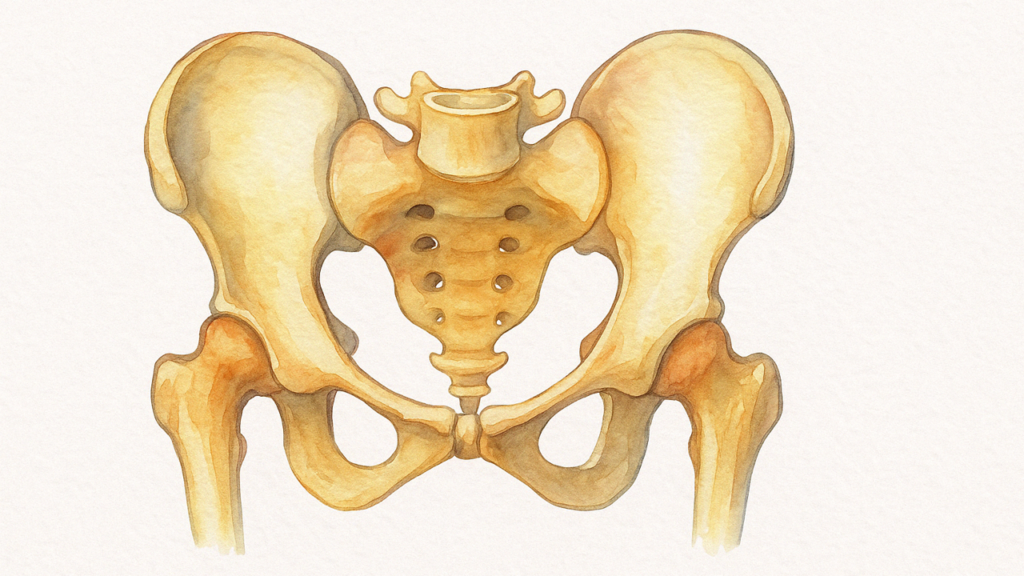
Introduction to Pelvic Bowl Healing I want to introduce you to one of the most powerful foundations of the healing work I do: your pelvic bowl. I first learned about this work in 2015, through the book Wild Feminine by my teacher and mentor, Tami Lynn Kent. When I tried one of the exercises early in the book—a simple visualization of the pelvic bowl—I saw a dark, murky swamp filled with snakes. It was so intense I threw the book across the room and didn’t touch it for a year. Eventually, with a little encouragement, I picked it back up—and something shifted. What I saw changed. What I felt changed. That moment began a journey that led to deep healing, not just for me, but for the many women I’ve now supported through this work. The pelvic bowl is the energetic and physical space inside the pelvis—it holds our uterus, ovaries, and so much more. It’s also where we tend to store unprocessed experiences, traumas (big and small), emotional tension, and even inherited beliefs. When this area is full of unspoken pain or untended emotions, it can block creativity, disrupt our sense of groundedness, and limit our ability to feel safe, vibrant, and whole. This isn’t about perfection—it’s about presence.Through breathwork, visualization, energy work, and body-based awareness, we can begin to clear what’s been held, reconnect with our power, and create space for something new. Whether you’ve worked with this energy before or you’re just hearing about it for the first time, you’re not behind.You’re right on time. Let’s clear the bowl, find your flow, and help you flourish.
The Flourish Way™
After working in the health and wellness arena since 1992, I’ve observed exactly what it takes to create a holistic lifestyle that allows you to feel passionate, energized, and full of the zest you were born to feel. Most health & healing strategies focus on one area of living. For example, there are many experts who focus on the food you eat or the exercise you do. Some focus on mindfulness, while others focus on avoiding things, such as alcohol, TV, or sugar. In conventional/allopathic medicine, meaning what’s happening in hospitals and regular medical offices, the focus is mostly on the physical body. There it’s symptom management. You have a symptom, you get a drug, you have a symptom, you get a surgery. Natural medicine goes a step further in treating the physical body by looking for the root of the problem of symptoms. For example, gut health is often a root of the problem. We treat the gut and many physical symptoms (and some mental) will improve. Yet, it’s still a physical root. What I’ve learned is that most physical symptoms are late manifestations of what started as a mental, emotional, spiritual, social, financial, or sexual situation, or a combination. There’s something underneath. When we experience stress from things like social issues or financial problems and we don’t address it, down the road we’re likely to begin noticing physical symptoms. The Flourish Way™ is a trademarked process for how I treat my patients and how I work with my coaching clients. The FLOURISH Way™ takes all aspects of your life into account: physical, mental, emotional, spiritual, sexual, social, and financial. Because, what I’ve seen and what I’ve experienced in my own life, is that you get one area of your life going great, then another area starts to go poor. Then you get that area fixed up and then another area goes south. Maybe you get going great with money and then you get sick. Or, you’re really working on your spiritual practice, your energy is really good, and then you trip and fall and get hurt. Or, you integrate a new mindset practice and feel energized, and then you pick a fight with your partner. Sound familiar? What I’ve learned is that you actually have to find balance in all the areas of your life in order to truly flourish. The reassuring news for you is that most of the solutions aren’t that hard. Yet you do need to do what’s necessary to uncover them. Take a few minutes and think about each of these areas of your life. How balanced are you? What areas need more attention? What’s one thing you can start doing today to bring more balance into your life? In my online program, The Flourish Way™ Experience, we do just this. We help you bring balance to all 7 aspects of your life: physical, mental, emotional, spiritual, social, sexual, and financial. And, we make it easy and FUN! Register now and get immediate access. LEARN MORE ABOUT THE PROGRAM HERE
Expand & Emerge

Once you’ve taken the time to Unwind & Unlearn and Restore & Replenish, you’re ready to Expand & Emerge. The real you has always been in there. You just got covered up with all the muck of the world. I’ve seen this process happen time and time again in my pelvic bowl healing work and during my online program. When you release what’s no longer serving you, give back to people their thoughts and opinions, and allow yourself to truly be YOU, magic happens. To Expand means to increase in extent, size, volume, or scope. To spread or stretch out. To unfold, to express in fuller form or greater detail, or to develop. You expand yourself into an even greater version than you’ve ever known. And then you can emerge meaning to come forth into you or notice as if from concealment or obscurity, to rise or come forth, to come up or arise, to come into existence, to rise and form as from an inferior or unfortunate state or condition. What happens right now when you imagine yourself expanding and emerging as the most amazing version of yourself? Most people fear some kind of fear when asked this type of question. It can feel scary to let go of our wounds or the walls we’ve put around ourselves. Maybe you fear that others will attack you or you’ll get canceled? Or maybe this just feels really out of reach. We all need support. We needs guides and we need community. My online program, The Flourish Way™ Experience offers you both. LEARN MORE ABOUT THE PROGRAM HERE