Owning Your Own Practice…Priceless

You know those old commercials where they’d list a few things with a price tag—“Shoes: $89. Dinner for two: $60”—and then end with something like, “Time with your loved ones? Priceless.” That’s exactly how I feel about owning my own integrative medicine practice. Yes, there are startup costs, and yes, it requires courage. But the freedom to practice on your terms, the flexibility to take care of yourself and your family, and the deep, unrushed relationships you get to build with patients—those things are beyond value. I’ve talked to hundreds of APRNs who want to go out on their own but feel paralyzed by fear. Fear of failure. Fear of not knowing enough. Fear of not being “ready.” What I’ve seen over and over again is that success doesn’t start with a perfect business plan—it starts with mindset. The shift happens when you stop asking, “What if I fail?” and start asking, “What if this works?” You don’t need to start big, and you don’t need to have every detail figured out. You just need to get clear on why you want this—and begin. If your current job feels like it’s draining your soul, if you feel like your knowledge and compassion are being wasted, or if there’s a quiet voice inside you that keeps whispering “there’s more,” listen. Your future patients are out there. They’re waiting for care that feels like a conversation, not a checklist. And the life you want to live—the one where you get to show up fully, for them and for yourself—that life is possible. And it’s priceless.
Functional vs. Integrative: What’s the Difference?
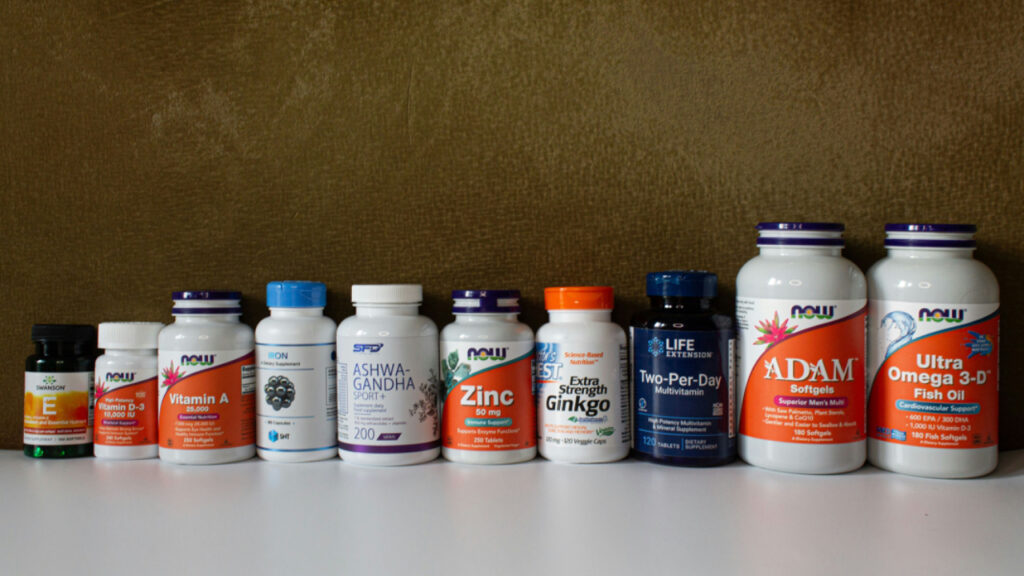
Beyond protocols—into real care. A recent conversation in our community brought something back into focus for me—something I’ve been living and teaching for years: the difference between Functional and Integrative Medicine. Functional Medicine is buzzy right now. It’s structured, lab-driven, and often rooted in supplements and protocols. There’s real value in that model—I received excellent Functional Medicine training early in my career, and it taught me a lot about how to think systematically and support the body at a root-cause level. But even back then, I noticed something missing. And I still see it today. Too often, Functional Medicine forgets the whole person. It can become a series of test results and supplement regimens—missing the nuance of someone’s life, the context of their symptoms, and the healing power of connection, story, and support. It might skip over food, stress, relationships, trauma, joy, and even the nervous system. That’s where Integrative Medicine shines. Integrative care is flexible and deeply personal. It’s about meeting the person in front of you. For one client, that might include labs and supplements. For another, it might look like breathwork, journaling, therapy, nervous system regulation, or a shift in mindset. Sometimes it’s spiritual. Sometimes it’s relational. Sometimes it’s as simple (and profound) as giving someone hope. It’s not about the perfect protocol—it’s about helping people heal in a way that actually fits their lives. If you’re an APRN feeling called to practice in a different way, don’t wait until you’ve collected every certification or built a perfect plan. Integrative care starts with how you listen, how you show up, and how you support healing beyond symptoms.