Ho’oponopono: A Simple Yet Powerful Practice for Healing

Have you ever noticed how certain thoughts, memories, or feelings keep circling back into your life—almost like old tapes playing on repeat? It might be a painful memory, a past mistake, or even a story someone else told you about who you are. These loops weigh us down, creating mental clutter and emotional heaviness that eventually show up in the body. One of my favorite practices for gently clearing this “stuck energy” is the Hawaiian tradition of Ho’oponopono. The word translates to “to make right” or “to correct,” and at its heart, it’s a forgiveness and reconciliation process. Unlike many healing tools that require hours of effort, Ho’oponopono is refreshingly simple—and that’s what makes it so powerful. What Is Ho’oponopono? In Hawaiian culture, Ho’oponopono was traditionally practiced in families or communities to resolve conflict, restore harmony, and realign relationships. Everyone involved would gather, speak honestly, and then use prayer and forgiveness rituals to bring things back into balance. Today, many people practice Ho’oponopono as a personal mantra for healing. It consists of four simple statements: When repeated with intention, these words shift us from shame, judgment, and blame into compassion, acceptance, and release . Why It Works At first glance, it may seem strange—why would you apologize to yourself or forgive yourself for something you didn’t directly cause? But here’s the secret: our subconscious often holds onto emotions and beliefs that aren’t even ours. In The FLOURISH Way™, I talk about O.P.P.—Other People’s Points of View. From the time we were children, we’ve been carrying other people’s expectations, criticisms, and judgments . Over time, those voices become internalized, and we start living as if they’re true. Ho’oponopono cuts through that noise. Each phrase addresses a layer of healing: Ho’oponopono in Daily Life You don’t need to set aside hours for this practice. Ho’oponopono can be woven into everyday moments: One of my favorite ways to use it is when I notice resistance—whether it’s procrastination, avoidance, or falling back into “victim mode.” Instead of fighting it, I get curious: What is this resistance teaching me? Then I soften with Ho’oponopono, allowing the energy to move without judgment . The Science Behind Forgiveness Modern research supports what ancient Hawaiian wisdom has always known: forgiveness practices lower stress, reduce anxiety, and improve overall well-being. By releasing resentment and self-blame, we lower cortisol levels, improve heart health, and create more space for joy and creativity. Even more fascinating, neuroscience shows that when we practice compassion and forgiveness, we literally rewire the brain’s reward pathways. Over time, this helps us break out of old cycles of negativity and choose healthier responses. A Midweek Reset Wellness doesn’t have to be complicated. In fact, some of the most profound shifts happen with the simplest practices. Ho’oponopono is one of those tools—a way to let go, lighten the load, and return to balance, even in the middle of a busy week. So the next time you feel weighed down, try whispering these words to yourself: I love you. I’m sorry. Please forgive me. I forgive myself. Thank you. Say them slowly, breathe deeply, and notice how your body softens. Notice how your mind clears. Notice how your heart opens just a little wider. Healing doesn’t always require hard work—it can be as gentle as remembering the truth of who you are. Ready to bring more practices like this into your life? In The Flourish Way™ Experience, we explore simple but profound tools that help you restore balance across all seven pillars of living—physical, mental, emotional, spiritual, social, sexual, and financial.
The Top 3 Reasons Businesses Fail — And What That Means for NP Private Practices
When you step into practice ownership, you’re not just a clinician anymore—you’re also an entrepreneur. And the truth is, even though nurse practitioners are highly trained in patient care, most of us didn’t get much education about running a business. That’s one reason so many small businesses—including private practices—struggle to survive. According to the U.S. Bureau of Labor Statistics, about 20% of small businesses fail within the first year, and around 50% close within five years. Those numbers can sound intimidating, but they’re also empowering—because when we understand the main reasons businesses fail, we can take intentional steps to avoid those pitfalls. Here are the top three, and how they specifically apply to NP-owned practices. ⸻ 1. Lack of a Clear Business Plan One of the biggest reasons businesses fail is jumping in without a solid plan. A vague idea of “I want to help patients” is not enough to sustain a practice. For NP practices, this often looks like: • Choosing a space before clarifying your model (cash pay vs. insurance vs. hybrid). • Offering a wide range of services without a clear niche or target audience. • Not having a roadmap for expenses, revenue, and growth. How to avoid it: Before you lease an office or order your exam table, spend time creating a realistic business plan. Define your ideal patient population, decide how you’ll be paid, map out your startup costs, and project your cash flow. This doesn’t need to be a 50-page document—but you do need clarity and numbers you can work with. ⸻ 2. Cash Flow Problems Even businesses with great ideas often fail because they run out of money. A 2022 survey by CB Insights found that 38% of small businesses failed due to cash flow issues—not because they weren’t helping people, but because they couldn’t sustain their operations financially. For NP practices, cash flow challenges might show up as: • Underestimating how long it takes to get credentialed and reimbursed by insurance. • Not pricing cash services appropriately for the time and expertise involved. • Spending too much upfront on space, equipment, or staff before revenue is steady. How to avoid it: Plan for a runway. Expect it to take at least 6–12 months before your practice is consistently profitable. Build savings, secure a line of credit if needed, and keep startup costs lean. If you’re cash-pay, set fees that reflect both your value and your expenses. And remember—cash flow isn’t just about income, it’s about managing expenses carefully in the early stages. ⸻ 3. Trying to Do It All Alone Another leading reason small businesses fail is burnout. Owners try to wear every hat—marketing, billing, admin, clinical care—and end up exhausted. In healthcare, this is even more dangerous because your patients need you at your best. For NP private practices, this often shows up as: • Delaying the hire of even part-time admin support. • Avoiding collaboration or mentorship out of fear of “not looking like you have it all together.” • Spending precious energy on tasks outside your zone of genius. How to avoid it: Don’t wait until you’re overwhelmed to seek support. Start with a mentor or mastermind group so you’re not building in isolation. Consider outsourcing pieces like billing, bookkeeping, or social media early on. Collaboration and community not only lighten your load—they keep you accountable, inspired, and connected. ⸻ The Bottom Line NP private practices are one of the most exciting and needed movements in healthcare right now. Patients want holistic, patient-centered care, and NPs are perfectly positioned to provide it. But to thrive long-term, we have to think like both clinicians and business owners. By creating a clear plan, managing cash flow intentionally, and leaning on support systems, you’ll be well ahead of the curve. Remember: failure statistics aren’t destiny—they’re lessons. When you learn from why others have stumbled, you can set yourself up for success. ⸻ Ready to build a practice that lasts? I help nurse practitioners clarify their vision, create sustainable business models, and launch with confidence. If you’re serious about starting or growing your own practice, I’d love to guide you.
Letting Go of Victim Mode

We all have moments when life feels unfair—when we’re unheard, unsupported, or just plain stuck. In those moments, it’s easy to slip into victim mode. This isn’t about being weak or dramatic; it’s simply a learned pattern for getting attention, comfort, or validation. The problem is, it often keeps us looping in the same energy we’re trying to escape. In victim mode, our focus turns to what’s wrong, who’s hurt us, or why things never work out. That focus might draw sympathy, but it rarely brings the deep, lasting support we actually need. Even more, it can drain our energy, cloud our thinking, and limit our ability to move forward. Why We Go There Victim mode often develops early in life—maybe as a way to be heard in a family that didn’t listen, or to get care and comfort during hard times. As adults, we might still use this strategy without realizing it, even though it no longer serves us. When we’re in this place, what we’re usually craving is simple: to be heard, supported, or understood. That’s why noticing the pattern is so powerful. When we name it, we can change it. How to Shift Out of Victim Mode The goal isn’t to judge yourself—it’s to get curious. Here’s a simple process you can try: This shift—from hinting or hoping to asking—moves you from powerless to powerful. You stop circling the same story and start creating space for solutions. Why It Matters for Your Well-Being Letting go of victim mode doesn’t mean ignoring your struggles or “just being positive.” It’s about owning your voice and your choices, even in hard moments. It’s about saying, “This is where I am, and I have the power to take the next step.” The more often you practice, the lighter and more supported you’ll feel. And over time, you’ll notice you spend less energy replaying what’s wrong and more energy creating what’s right. If you’re ready to shift out of stuck patterns and step into your power, I invite you to explore my website and learn more about the work I do. You’re welcome to reach out with any questions—I’d love to hear from you and help you take the next step in your own journey.
First Steps After Deciding to Open Your Practice

So you’ve made the decision: you’re going to open your own nurse practitioner practice. You’re excited. You’re nervous. You’re picturing the name on the door, your first patients, and the freedom of running things your way. But then the big question hits: Where do I start? Here’s the truth — the most important work happens before you file your LLC paperwork, lease a space, or design a logo. Skipping these early steps is one of the biggest mistakes new practice owners make, and it’s often the reason they feel overwhelmed or financially strained later on. I’ve broken this into the three key steps you should take first, so you can build your foundation before jumping into the fun (and sometimes expensive) parts. Step 1: Get Clear on Your Vision Opening a practice is more than a job change — it’s building a lifestyle, a brand, and a long-term commitment. Before you even look at office space, get crystal clear on: Write this vision down. You’ll refer to it constantly when decisions come up — and they will come up fast. Step 2: Map Out the Money This is the step too many NPs skip because it feels intimidating — but it’s what protects you from sinking under stress. Your goal here isn’t perfection — it’s clarity. Even a simple spreadsheet showing “startup costs + monthly expenses + projected income” will help you see if your plan is viable. Step 3: Build Your Support System Before You Launch You might be the only clinician in your practice, but you do not want to do this alone. Bonus Tip: Don’t Rush the Timeline I know the temptation — you want to open now. But giving yourself 3–6 months (or longer) to prepare will pay off. That’s time to research, save, network, and make intentional decisions. A rushed start often means expensive do-overs. Your First Steps Are the Most Powerful Once you have your vision, your financial picture, and your support system in place, everything else — licensing, location, branding, hiring, marketing — will flow much more smoothly. You’ll feel less overwhelmed, make better decisions, and be far more likely to build a practice you love running long-term. Remember: opening your own practice isn’t just a business move. It’s a chance to design the career and life you’ve always wanted. Start strong, and you’ll thank yourself every step of the way. If you’re ready to take these first steps but want guidance from someone who’s been there, I’d love to help. I offer coaching and mentorship for nurse practitioners ready to launch their own practice with clarity, confidence, and support. You don’t have to figure it all out alone — let’s build your dream practice together.
Get Curious About Cravings
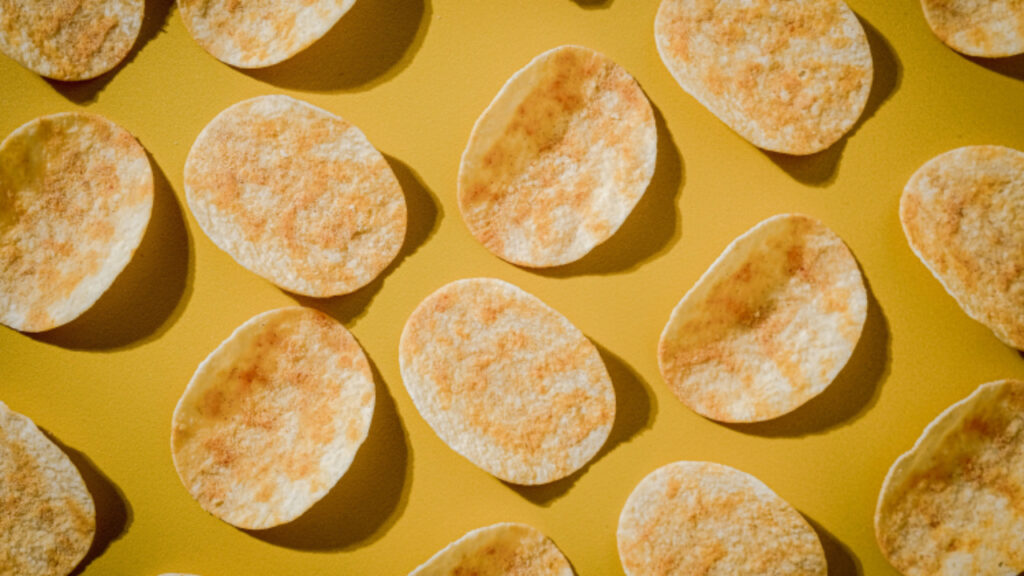
Cravings are one of the most misunderstood parts of our health journey. We often treat them like enemies—something to resist, fight off, or feel ashamed about. But what if instead of labeling cravings as “bad,” we got curious about them? What if they were messengers, not monsters? Cravings Aren’t Random That sudden urge for chocolate, a glass of wine, chips, popcorn, or a bakery drive-by isn’t coming out of nowhere. Our bodies are incredibly wise and incredibly responsive. That craving is doing something for you—or trying to. It might be trying to soothe something.It might be trying to fill a gap.It might be trying to reconnect you to comfort, calm, or even joy. The key is to pause and ask:“What am I really needing right now?” What’s Underneath It? Let me walk you through an example from my own life. I’ve discovered that when I’m overwhelmed or lonely, I crave popcorn. Not just “I’d like a snack” kind of craving—I’m talking full-body desire. Salty, buttery, curled-up-on-the-couch kind of craving. When I got curious about that, here’s what I found: as a kid, Sunday nights were the calmest, happiest time in our house. We’d go to church, have a big family lunch, and then watch Disney movies at night—with popcorn for dinner. It was the only time everything felt peaceful. So my craving wasn’t just for popcorn.It was for peace.For comfort.For connection. Once I saw that, I had more options. Curiosity Gives You Choices You can’t change a habit you don’t understand. But once you know what your craving is really about, you’re no longer stuck in shame or autopilot. Here’s a simple process you can try the next time a craving hits: The magic isn’t in resisting the craving. The magic is in bringing awareness to it—so that you can respond, not react. Let Go of the Guilt Sometimes, you’ll still eat the cookie. Sometimes you’ll still have the drink or the chips or the thing. That’s okay. Cravings don’t make you weak. They make you human. And when you meet them with curiosity instead of criticism, they often lose their power over you. You are not “bad” for wanting something sweet at the end of a hard day.You’re probably just longing for something soft in a world that feels sharp.Meet yourself there. Ask the question. Listen to the answer. You don’t have to get it “right.” You just have to get curious. — Want to go deeper into this kind of work?Take some time to explore the rest of the site—there’s so much here to support your healing and growth. From 1:1 sessions to group offerings, you’ll find tools to help you flourish in every area of life.Have a question? Send me a message—I’d love to connect.
Prescribing as an NP: You Don’t Have to Know Everything to Start
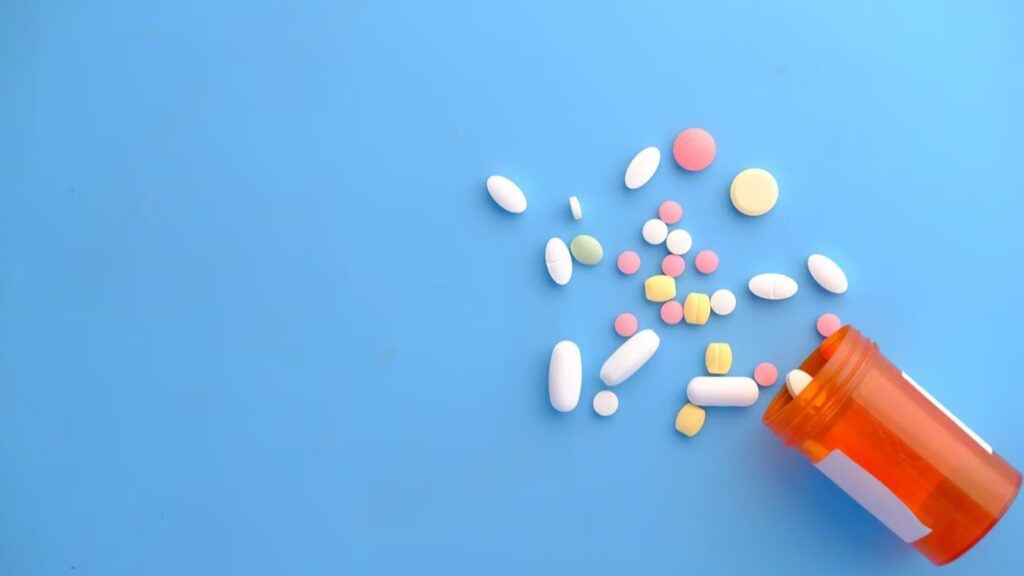
Prescribing can feel like one of the biggest hurdles when you first become a nurse practitioner. You’ve spent years in nursing roles where medication decisions were overseen by someone else—now, suddenly, it’s all on you. That shift in responsibility can feel huge, and honestly, scary. But here’s the truth: you don’t need to be perfect, and you definitely don’t need to know everything. You just need a strong foundation, a few reliable tools, and the willingness to keep learning as you go. Start by building your prescribing toolkit. Get familiar with trusted resources like Epocrates, UpToDate, Prescriber’s Letter, and your state’s Board of Nursing guidelines. Create simple protocols or decision trees for the conditions you treat most often. Bookmark a few go-to references and get used to looking things up—even experienced NPs do this daily. If you’re in an integrative or functional setting, define how medications fit into your holistic care approach. You get to choose how you prescribe. Prescribing became much more comfortable for me when I gave myself permission to be thoughtful instead of fast. I paused. I asked questions. I consulted mentors. I kept the patient at the center of every decision. With time, I developed systems that allowed me to be both confident and cautious—and the more I practiced, the more natural it became. If you’re holding off on launching your practice or avoiding certain patients because prescribing makes you nervous, you’re not alone. But you are more than capable—and you don’t have to figure it out on your own. Explore my site to learn more about how I support new and growing NPs, and reach out if you have any questions or would like to work with me. I’d love to help you make prescribing feel like a strength instead of a stressor.
The Healing Power of Connection
I was inspired to write this after seeing that today is International Day of Friendship. It reminded me how deeply grateful I am for the people in my life—and how essential connection is to our health. Not just emotionally, but physically, neurologically, and even hormonally. Science has caught up with what many of us feel in our bones: relationships are a form of medicine. Social connection strengthens immunity, reduces inflammation, improves cardiovascular health, and even helps regulate gene expression. One well-known meta-analysis published in PLOS Medicine reviewed data from over 300,000 people and found that strong social relationships increased the likelihood of survival by 50%. That’s a health benefit on par with quitting smoking—and greater than the benefit of regular exercise. When we feel emotionally safe with someone, our nervous system responds. Cortisol levels drop. Oxytocin and serotonin rise. Blood pressure stabilizes. We move out of a chronic stress state and into rest, repair, and regulation. In fact, connection is one of the key ways we co-regulate—using our relationships to calm and balance our bodies and minds. This is especially important if we’ve experienced trauma, chronic stress, or disconnection in the past. Healing doesn’t happen in isolation. It happens in safe, supportive relationship. And here’s the beautiful part: this doesn’t require a huge social circle. One or two deeply supportive relationships can be enough to shift how your body processes stress, how your mind finds meaning, and how your heart feels held. That might look like a close friend, a partner, a therapist, or even a mentor or coach who helps you feel seen. In my own life, friendship has been one of the most healing forces I’ve known. I think of the people who’ve walked with me through loss, grief, major life transitions, and deep transformation. Their presence didn’t “fix” anything—but it helped me stay grounded and connected while I found my way through. That kind of support is priceless. If you’ve been feeling lonely, disconnected, or overwhelmed, please know there’s nothing wrong with you. That ache you feel is your body’s call for connection—a sign of your wholeness, not your brokenness. The desire to be seen, supported, and understood is not a weakness. It’s a biological need. And honoring it is a powerful step toward healing. Connection is powerful medicine. And you don’t have to create it alone. If this message resonates with you, I invite you to take the next step. Explore the offerings here to see what kind of support feels right—whether it’s one-on-one mentorship, holistic guidance, or just finding a blog post that speaks to where you are. I’ve created this space with the intention that you’ll find something here that helps you reconnect with your own truth, your own body, and your own path forward. Whether you’re here for your own healing or to grow in how you serve others, I’m honored you’re here—and I’m walking this path right alongside you.
How Certifications Can (Truly) Support Your Niche

Certifications aren’t everything—but when they’re chosen with intention, they can be incredibly valuable. For NPs who want to specialize or carve out a unique niche, the right certification can strengthen your clinical foundation, boost your confidence, and help you communicate your value clearly. It’s not about collecting letters. It’s about aligning with the work you actually want to do—and having the tools, language, and structure to do it well. I’ve seen so many NPs pursue certification after certification because they didn’t feel “ready” yet. But in reality, they were already more than qualified—they just didn’t feel confident owning what they knew. Unfortunately, no certification can give you self-trust. That part comes from within—and often, from doing the work in real time, not just studying it. That said, certifications can play a vital role in shaping and supporting your path. Here’s how: They can give shape to your niche.When you’re building something specific—say you want to offer functional nutrition for perimenopause, pelvic healing support, or integrative trauma care—a strong certification can offer a clear framework and shared language. That helps both you and your potential clients understand what you do, and why it matters. They provide a scaffold for systems and structure.Having a framework gives you more confidence when you’re building protocols, outlining care plans, or creating content. Many certification programs include practical tools, intake forms, case studies, and business-building tips that can help you start (or refine) your practice. They help you build authority—not just externally, but internally.The credibility piece matters—but often the bigger shift is how you see yourself. When you deepen your skillset and connect it to your passion, your confidence tends to rise organically. You start stepping into your role as a leader, not just a provider. They help you choose a path instead of dabbling.One of the biggest challenges I see with new NPs is the temptation to stay broad and vague. But niching down isn’t just about marketing—it’s about building a life you actually want to live. The right certification can help you commit to your calling with more clarity and direction. So how do you decide which certifications are worth it? Here are a few questions I always encourage NPs to ask before investing: – Will this certification support the kind of practice I’m actually trying to build?– Will it help me serve the people I most want to help—in a way that’s aligned with my values?– Am I pursuing this out of excitement and purpose—or out of fear that I’m not “enough”? Certifications won’t magically make you confident, clear, or successful. But when chosen well, they can be powerful stepping stones on your journey to creating a practice that feels grounded, unique, and truly yours. If you’re feeling unsure about your path, or want help clarifying your niche and building something meaningful—this is the kind of work I love supporting NPs with. Ready to go deeper?Check out my mentorship offerings or reach out directly at jen@jenowen.co. You don’t need to do this alone. I’d be honored to walk with you.
Yoni Steaming at Home: A Simple Guide to Sacred Self-Care
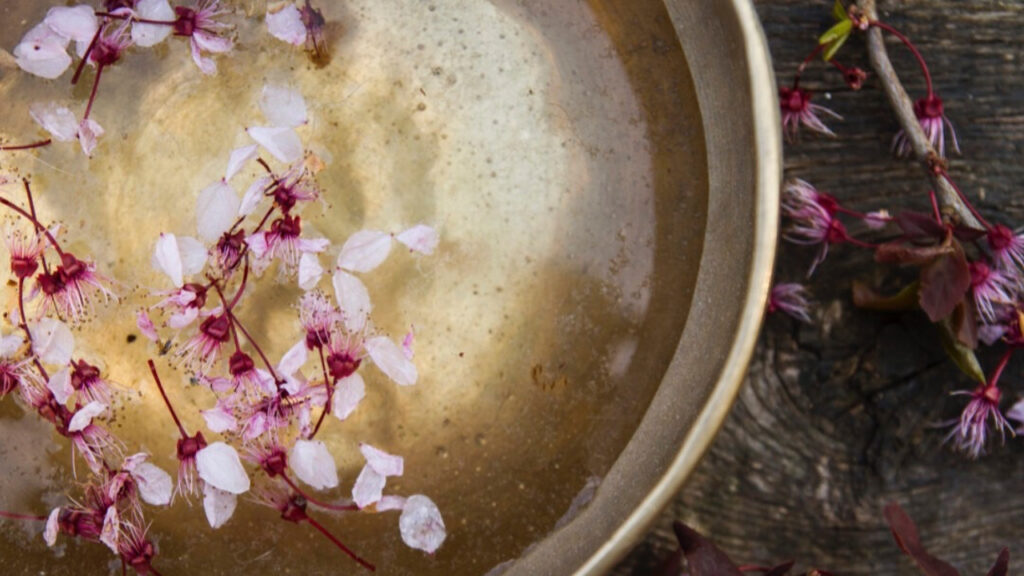
Yoni steaming—also known as vaginal steaming or V-steaming—is a beautiful, ancient practice that supports pelvic health, emotional healing, and nervous system regulation. While it’s often treated as a novelty or a spa trend, yoni steaming is truly a sacred ritual that’s been used across cultures to connect with the womb space, release tension, and invite healing on many levels. While I no longer offer in-office steams, I still believe deeply in the power of this practice and encourage anyone interested to try it at home. The good news? It’s simple, safe, and doesn’t require special equipment. Why Steam? Most of the physical symptoms we experience—like painful periods, pelvic tension, or hormonal imbalances—have deeper roots. Yoni steaming offers a gentle way to reconnect with your body, release stored emotions, and invite calm and balance back into your system. It’s also a lovely ritual of self-care, rest, and embodiment. You can steam monthly, seasonally, or as needed. If you menstruate, the best times to steam are around ovulation or a few days before your period. If you don’t menstruate, you can steam anytime—or let the moon cycle guide you. If you’re experiencing active symptoms or have specific concerns, I recommend consulting a practitioner to choose the right herbs and timing. How to Do a Yoni Steam at Home Step 1: Gather your toolsUse a bowl that fits inside your toilet or a sturdy steaming stool. Stainless steel or ceramic works well—just make sure it’s heat-safe and won’t tip over. Step 2: Choose your herbsAdd 1–2 tablespoons of each herb (see suggestions below) for a total of ¾ to 1 cup. Place them in the bowl. Step 3: Add boiling waterBoil about 2 quarts of water and pour it over the herbs in your bowl. Allow it to steep for a minute or two. Step 4: Prepare your spaceLower the toilet seat over the bowl (if using the toilet method). Sit down carefully and wrap yourself in warm blanketsto hold in the steam. Step 5: Relax and receiveSit for 20–30 minutes, or until the steam cools. Breathe deeply. Feel your pelvic bowl soften and your nervous system slow down. This is your time. Favorite Herbs for Steaming These herbs are generally well-tolerated and lovely for a gentle, all-purpose steam. Remember… Yoni steaming is not just a physical therapy—it’s a ceremony. A way to come back to your body, tend to your inner world, and reconnect with parts of yourself that may have been quiet for too long. If you’re curious, give it a try. Set aside the time. Make it a ritual.Your body is wise. Your healing is sacred. And your pelvic space deserves attention and care. Have questions or want to go deeper into pelvic healing work? Don’t hesitate to reach out.Explore the rest of my site to learn more about how I support both patients and coaching clients on their healing journeys.
Imposter Syndrome and Starting Your Own Practice
I know “imposter syndrome” has become a bit of a buzzword—but I want to say this clearly: it’s real, and it’s a major roadblock for so many nurse practitioners, especially when you’re stepping into entrepreneurship. Starting your own integrative practice isn’t just about charting or credentialing or picking your EHR—it’s about claiming your space as a leader, a healer, a business owner. And that brings up a lot. Let’s define it clearly. Imposter syndrome is that internal experience of feeling like a fraud, like you don’t really belong in the position you’re in—even when all evidence says otherwise. Research shows that up to 70% of people experience imposter syndrome at some point (Sakulku & Alexander, 2011), and it tends to hit high-achieving, highly competent professionals the hardest. Sound familiar? Here’s how I often see it show up for NPs launching their own practices: What makes it worse is that we’re often trained to follow protocols, stay in line, and work within systems. When we decide to leave that system and build our own, it can feel like jumping without a parachute. Of course it stirs up fear. Of course it brings up doubt. But here’s what I want you to know:Imposter syndrome doesn’t mean you’re doing it wrong—it means you’re doing something brave. And there are tools to work with it: I’ve been in that place—standing in a newly rented office, wondering if anyone would ever call. I’ve felt the pit in my stomach when I hit “publish” on my first website. And I’ve coached so many incredible NPs through the exact same terrain. If imposter syndrome is showing up for you, it doesn’t mean you’re not ready. It means you’re human—and that you care deeply about doing this well. That’s not a flaw. It’s your superpower. If you want support working through the doubt and owning your vision with more confidence, that’s exactly what I’m here for. Let’s get you grounded and clear—because the world needs more practices like yours.